
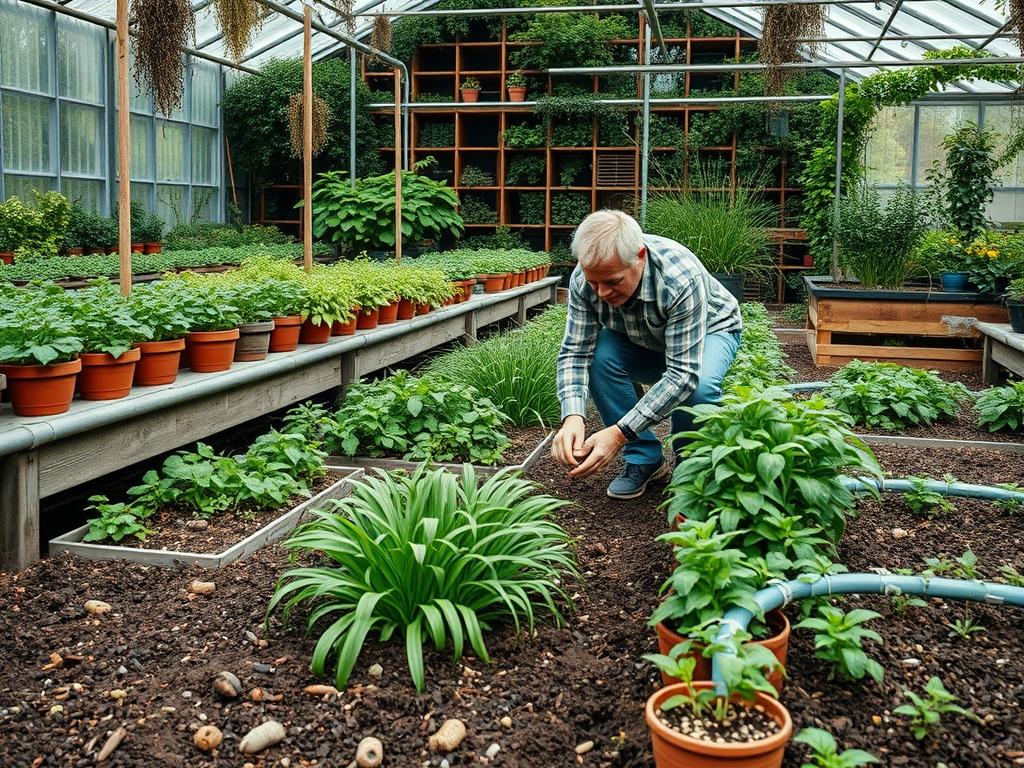
Integrating heat-loving oilseed crops into a refined residential landscape requires a balance between agricultural utility and aesthetic sophistication. While most homeowners view sesame as a culinary afterthought, the Sesamum indicum plant offers a striking architectural profile that reaches heights of 3 to 5 feet, making it an ideal candidate for mid-border placement or vertical screening. The primary challenge in temperate climates is the requirement for a long, hot growing season; sesame thrives in temperatures exceeding 75 degrees Fahrenheit and requires roughly 100 to 135 frost-free days to reach maturity. From a consultant’s perspective, the goal is to treat these plants not merely as a crop but as a structural component of the outdoor environment. Their bell-shaped flowers, ranging from white to pale pink or lavender, provide a soft texture that contrasts beautifully against rigid hardscaping elements like limestone retaining walls or wrought iron fencing. By prioritizing drainage and solar orientation, we can transform a standard garden bed into a productive, sun-drenched microclimate that facilitates the eventual goal of picking fresh sesame seeds.
The curb appeal of a landscape utilizing sesame depends on the density and health of the foliage. These plants possess a distinctively upright, unbranched habit in many cultivars, though some varieties may branch depending on the spacing and soil nutrients. When planning the layout, consider the plant’s role in the larger ecosystem. Sesame is highly attractive to pollinators, including honeybees and bumblebees, which enhances the overall vitality of the garden. However, the architect must also account for the plant’s susceptibility to lodging if exposed to high winds. Strategic placement near a windbreak or the use of subtle staking ensures the vertical lines remain crisp throughout the summer months. Furthermore, the functionality of the outdoor space is improved when edible landscapes are designed for ease of access. Creating clear permeable walkways allows the gardener to monitor pod development without compacting the soil around the delicate root systems.
Landscape Design Principles
Effective landscape design for sesame cultivation relies on the principle of elevation layers. In a well-structured border, sesame serves as the “thriller” or the mid-ground height element. It should be positioned behind lower-growing herbs like thyme or oregano and in front of taller background shrubs or structural walls. This layering creates a sense of depth and visual abundance. Symmetry can be achieved by flanking a central garden feature, such as a stone birdbath or a modernist sculpture, with identical rows of sesame. This formal arrangement elevates the plant from a simple farm crop to a curated botanical display.
Irrigation planning is perhaps the most critical design principle for this species. Sesame is famously drought-tolerant once established, owing to its extensive taproot system. However, during the germination and early growth phases, consistent moisture is mandatory. A professional landscape setup should utilize a drip irrigation system with pressure-compensating emitters to deliver water directly to the root zone, avoiding the foliar diseases that can arise from overhead watering. This technical approach preserves the visual integrity of the leaves and prevents the spotting associated with fungal pathogens. Visual balance is further maintained by using a consistent mulch layer, such as shredded cedar or fine pine bark, which provides a neutral backdrop for the vibrant green stalks.
Plant and Material Selection
Selecting the right materials and companion plants is essential for a cohesive outdoor environment. The following table outlines the technical requirements for sesame and its common landscape companions to ensure a harmonious growth cycle.
| Plant Type | Sun Exposure | Soil Needs | Water Demand | Growth Speed | Maintenance Level |
| :— | :— | :— | :— | :— | :— |
| Sesamum indicum | Full Sun (8+ hours) | Well-drained, 6.0-7.5 pH | Low (once established) | Moderate | Low |
| Common Sage | Full Sun | Sandy, alkaline | Low | Moderate | Low |
| Zinnia Elegans | Full Sun | Loamy, rich | Medium | Fast | Medium |
| Sweet Basil | Full Sun to Part Shade | Moist, fertile | Medium to High | Fast | Medium |
| French Marigold | Full Sun | Average, well-drained | Medium | Fast | Low |
For the hardscaping components, I recommend weathered steel edging or tumbled basalt pavers to define the boundaries of the sesame beds. These materials offer a contemporary aesthetic that complements the rustic nature of the seed pods. Additionally, the use of organic compost and expanded shale can improve the structural integrity of heavy clay soils, providing the porosity that sesame roots require to thrive.
Implementation Strategy
The successful implementation of a sesame-focused landscape begins with site grading. The area must be slightly sloped or mounded to prevent standing water, as sesame is highly intolerant of “wet feet.” Initially, clear the area of all competing weeds and debris. I suggest a double-digging technique to aerate the soil to a depth of 12 inches, incorporating a 2 inch layer of high-quality compost to provide slow-release nitrogen.
Once the soil is prepared, direct sow the seeds after the danger of frost has passed and the soil temperature reaches at least 70 degrees Fahrenheit. Use a handheld seeder for precision, spacing rows 24 to 36 inches apart to allow for mature spread and airflow. Within the rows, thin the seedlings to a final spacing of 12 to 18 inches. As the plants grow, apply a 3 inch layer of organic mulch to regulate soil temperature and suppress weed competition.
As the season progresses and the plants reach maturity, the focus shifts toward picking fresh sesame seeds. You will observe the pods, or capsules, ripening from the bottom of the stalk upward. The harvesting process requires precise timing; sesame is naturally dehiscent, meaning the pods split open and scatter their seeds when dry. To capture the maximum yield, harvest the stalks when the lowest pods turn a light brown or tan color but before they have fully split. Cut the stalks at the base using bypass pruners and bundle them in small groups.
Common Landscaping Failures
The most frequent failure in incorporating sesame into a landscape is improper drainage. Because sesame is so drought-tolerant, designers often forget that stagnant water in a low-lying area will cause rapid root rot and plant death. Always ensure the percolation rate of your soil is sufficient before planting. Another common mistake is root overcrowding. While it is tempting to plant densely for a lush look, sesame requires significant airflow to prevent powdery mildew and other humidity-based issues.
Irrigation inefficiencies also plague many home gardens. Switching to an automated smart controller can help manage the transition from the frequent watering required for seedlings to the minimal requirements of mature plants. Over-fertilization, particularly with high-nitrogen synthetic blends, can result in excessive foliage growth at the expense of seed production. Finally, many gardeners fail at the harvest stage by waiting too long. Picking fresh sesame seeds is a race against the plant’s natural mechanism for seed dispersal. If you see seeds on the ground, you have already lost a portion of your harvest.
Seasonal Maintenance
Spring maintenance involves soil testing and the application of soil amendments such as elemental sulfur or lime to reach the target pH. This is also the time to inspect your irrigation lines for leaks or clogged emitters. As summer arrives, the primary task is weed management and monitoring for pests like aphids or grasshoppers. Ensure the mulch layer remains intact to protect the shallow lateral roots from the intense midday sun.
In the autumn, the harvest begins. After cutting the stalks, hang them upside down in a dry, well-ventilated area—a process often called “stooking.” Place a heavy-duty tarp or clean cloth beneath the bundles to catch the seeds as the pods dry and open naturally over a period of 10 to 14 days. In winter, clear the spent stalks and compost them if they are disease-free. This is the ideal time to plan for the next season, perhaps rotating the sesame to a different section of the landscape to prevent the buildup of soil-borne pathogens and to maintain the nutrient balance of your garden beds.
Professional Landscaping FAQ
When is the best time for picking fresh sesame seeds?
Harvest when the bottom pods on the stalk turn brown and just begin to show signs of splitting. This usually occurs 90 to 120 days after planting, before the top pods are fully dry, to prevent seed loss.
Does sesame require a specific soil type for a landscape?
Sesame excels in well-drained, sandy loam soils with a neutral pH. It is highly sensitive to salt and heavy clay. If your landscape has heavy soil, use raised beds or mounds to improve drainage and aeration.
How much water do sesame plants need during the summer?
Once the plants reach 4 inches in height, they are remarkably drought-resistant. In most climates, 1 inch of water per week is sufficient. During extreme heat, watch for wilting, but avoid keeping the soil saturated.
Can I grow sesame in containers as focal points?
Yes, sesame can grow in large containers, at least 5 gallons in size, provided they have excellent drainage. Use a high-quality potting mix blended with perlite. This is an excellent way to add height to patios or terraces.
Are there any major pests I should design for?
Sesame is generally pest-resistant, but it can attract aphids and whiteflies. Encouraging beneficial insects like ladybugs and lacewings through companion planting of sweet alyssum or dill is an effective organic strategy for a healthy landscape.