
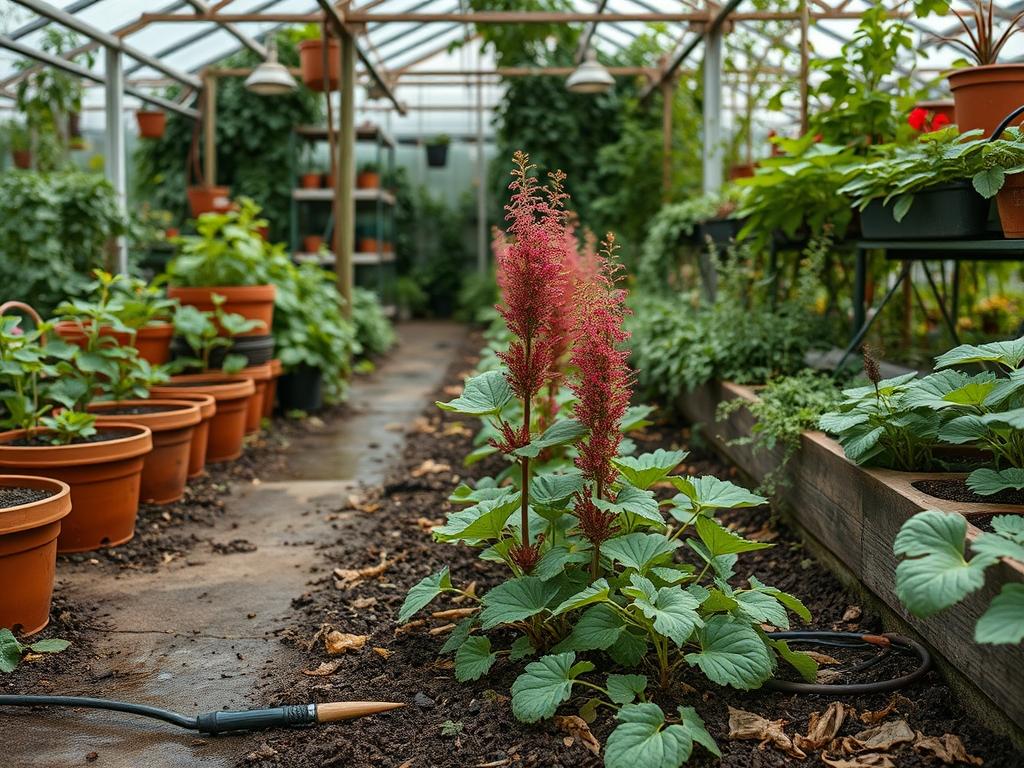
Integrating grain production into a residential landscape requires a sophisticated balance between aesthetic appeal and agricultural utility. Most homeowners view vegetable patches as utilitarian zones hidden in the backyard, yet Amaranthus species offer a rare opportunity to fuse high-end curb appeal with functional food systems. When we design a landscape centered on Harvesting Garden Amaranth, we treat the plant as a structural anchor. Its towering height and saturated crimson or golden inflorescences demand a strategic placement that considers line of sight, wind resistance, and seasonal transitions. The challenge lies in managing the sheer biomass of the plant while ensuring that the process of collecting grain does not disrupt the surrounding ornamental environment. A successful design ensures that the transition from a lush, architectural backdrop to a harvested space remains clean and intentional.
Climate considerations play a pivotal role in the success of these dual-purpose installations. Amaranth thrives in full sun and requires well-drained soil, making it an excellent candidate for raised beds or high-elevation tiers within a tiered garden design. In regions with heavy late-summer rains, the structural integrity of the seed heads can become a liability if the drainage systems are not professionally graded. From a consultant’s perspective, the goal is to maximize the visual impact of the flowering stage while preparing the ground for the intensive activity of the harvest. We achieve this by creating hardened access points and reinforced borders that prevent soil compaction when the time comes to move through the beds for collection.
Landscape Design Principles
Professional landscaping relies on the core concepts of symmetry and focal points to guide the eye through a space. Using Love-Lies-Bleeding or Prince’s Feather, a designer can create a stunning focal point at the end of a primary walkway. Because amaranth can reach heights of 5 to 8 feet, it serves as a natural vertical layer that bridges the gap between low-lying groundcovers and mid-sized shrubs. This verticality must be balanced with lower-tier plantings to prevent the landscape from feeling top-heavy or cluttered. We often employ the “Law of Association,” grouping plants with similar hydration needs to streamline the Irrigation Planning process.
Elevation layers are crucial when planning for a grain harvest. If the amaranth is planted on a slope, we recommend installing Natural Stone Retaining Walls or Pressure-Treated Timber Tiers to create level planting pockets. This prevents nutrient runoff and ensures that the heavy seed heads do not cause the plants to topple over during high winds. Walkways surrounding the amaranth beds should be at least 36 inches wide. This width allows for the passage of garden carts or large collection containers without damaging the delicate foliage of neighboring ornamental species. Visual balance is maintained by echoing the deep burgundy hues of the amaranth in the foliage of smaller plants like Heuchera or Japanese Barberry placed in the foreground.
Plant and Material Selection
Choosing the right varieties and supporting materials is the difference between an overgrown weed patch and a curated estate garden. The following table outlines the technical requirements for a grain-focused landscape.
| Plant Type | Sun Exposure | Soil Needs | Water Demand | Growth Speed | Maintenance Level |
| :— | :— | :— | :— | :— | :— |
| Amaranthus Hypochondriacus | Full Sun | Well-Drained | Moderate | Fast | Medium |
| Zinnia Elegans | Full Sun | Loamy | Moderate | Fast | Low |
| Panicum Virgatum | Full to Part Sun | Versatile | Low | Moderate | Low |
| Salvia Nemorosa | Full Sun | Sandy/Gravelly | Low | Moderate | Medium |
| Sedum Autumn Joy | Full Sun | Poor to Average | Very Low | Slow | Low |
For hardware and materials, we specify Professional Grade Landscape Fabric only in non-planting zones to prevent weed competition without stifling soil respiration. Hardwood Double-Shredded Mulch is the preferred medium for moisture retention, applied at a consistent depth of 3 inches. For harvesting, a Sharp Sickle or Bypass Pruners are the essential tools for clean cuts that do not shatter the seed heads prematurely.
Implementation Strategy
The implementation phase begins with professional grading to ensure water moves away from the structural foundations and toward the primary planting zones. We recommend a 2 percent slope for most garden beds to facilitate efficient drainage. Once the site is graded, define the edges using Powder-Coated Steel Edging or Belgium Block to create a permanent boundary between the turf and the grain-producing beds. This edging serves as a psychological and physical barrier, keeping the harvest activity contained and the lawn pristine.
When laying out the amaranth, space the individual stalks roughly 18 to 24 inches apart. This spacing allows for maximum airflow, which is critical for drying the grain on the stalk. If the plants are too crowded, powdery mildew can set in, ruining both the aesthetic and the edible yield. As the plants mature, install a Grid-Style Support System or individual Bamboo Stakes to keep the stalks upright. During the actual process of Harvesting Garden Amaranth, we suggest laying down Canvas Tarps between the rows. This allows you to shake the seed heads directly onto the fabric, capturing the tiny grains while protecting the underlying mulch from debris. This method keeps the landscape tidy and ensures no organic material is wasted.
Common Landscaping Failures
One of the most frequent errors in edible landscaping is the neglect of proper drainage. Amaranth is notoriously sensitive to “wet feet,” and soil saturation often leads to root rot before the grain has a chance to mature. If your soil has a high clay content, incorporate Expanded Shale or Coarse Sand to improve porosity. Another failure involves root overcrowding. Because amaranth is a vigorous grower, it can easily outcompete smaller perennials for nutrients. Designers must ensure that the “root zone radius” is respected during the initial planting phase to prevent a chaotic struggle for resources.
Irrigation inefficiencies also plague many garden designs. Overhead watering should be avoided once the amaranth begins to develop its seed heads, as excessive moisture trapped in the flowers can lead to mold or premature sprouting of the grain. A Drip Irrigation System with emitters placed at the base of each plant is the professional standard. Lastly, soil compaction is a silent killer of garden health. In the excitement of the harvest, gardeners often step repeatedly in the same areas, crushing the soil structure. Using Flagstone Stepping Stones within the beds provides a designated path for the harvester, protecting the delicate microbiology of the soil.
Seasonal Maintenance
Spring is the season for soil preparation and structural assessment. This is when we test the soil pH, aiming for a range between 6.0 and 7.5. Apply a Slow-Release Organic Fertilizer to provide a steady supply of nitrogen for the early growth phase. As summer progresses, the focus shifts to moisture management and staking. High-heat periods require deep, infrequent watering to encourage deep root systems rather than shallow, weak ones.
Autumn is the peak season for Harvesting Garden Amaranth. You will know the grain is ready when the seeds can be easily rubbed out of the head with your fingers and have a hard, firm texture. After the harvest, the stalks should be cut down to the base. In a professional landscape, we do not leave the dead stalks over winter as they can harbor pests; instead, they are composted off-site. During winter, the landscape relies on the “bones” of the design, such as the hardscaping, evergreen shrubs, and ornamental grasses that were selected to provide interest while the amaranth beds are dormant. This cycle ensures the property looks managed and intentional throughout the entire year.
Professional Landscaping FAQ
How do I know when the amaranth grain is ready for harvest?
Wait for the flowers to lose their vibrant color and feel slightly dry to the touch. Gently rub a seed head between your palms; if the seeds fall out easily and are hard, they are ready for collection.
Can amaranth be grown in large decorative containers?
Yes, provided the container is at least 15 to 20 gallons to accommodate the deep taproot. Ensure the pot is heavy or weighted at the bottom to prevent the tall stalks from acting as a sail and tipping the vessel.
What is the best way to clean the grain after harvesting?
Use a series of fine-mesh sieves to remove large chaff. To remove the smaller husks, perform “winnowing” by pouring the grain from one bucket to another in front of a steady, gentle breeze or a household fan set on low.
Does harvesting amaranth ruin the look of the garden?
Not if you use a “staggered harvest” approach or plant companionship species like Black-Eyed Susans that bloom late into the season. Cutting the stalks cleanly at the base keeps the site looking groomed rather than neglected.
Will amaranth reseed itself and become invasive in my lawn?
Amaranth is a prolific self-seeder. To prevent it from spreading into the turf, maintain a thick, healthy lawn and use Pre-emergent Corn Gluten Meal in the spring. Timely harvesting of the grain heads also significantly reduces accidental seed dispersal.