
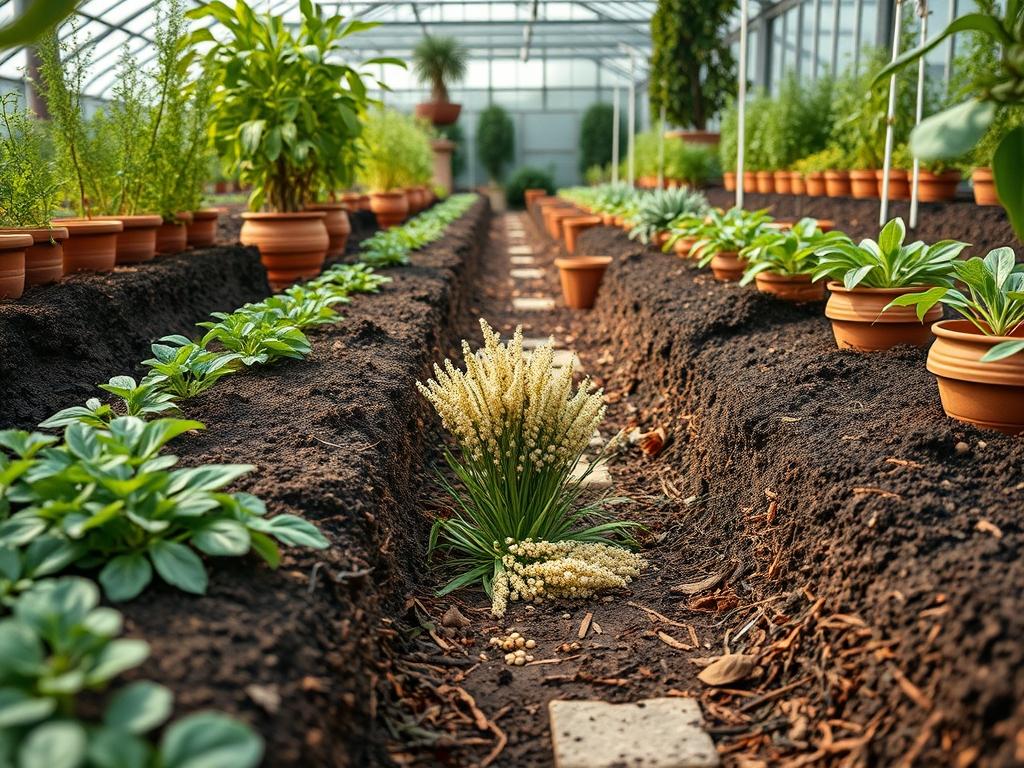
Integrating edible crops into a sophisticated residential landscape design requires a delicate balance between agricultural productivity and aesthetic refinement. For many homeowners, the challenge lies in transitioning from traditional ornamental gardens to functional spaces that accommodate high-yield plants like Chenopodium quinoa. This Andean native, while traditionally a broad-acre crop, offers remarkable structural value to a backyard environment due to its towering height and vibrant, multicolored seed heads. When planning a landscape that prioritizes the best methods for picking fresh quinoa in your backyard, you must account for the plant’s specific microclimate needs, especially its aversion to high humidity and extreme heat during the flowering phase. Successful integration involves more than just planting seeds; it requires a comprehensive understanding of drainage, soil composition, and spatial orientation to ensure the crop enhances rather than detracts from your property’s curb appeal. A well-designed plot serves as a focal point, utilize the striking reds, purples, and golds of the maturing grain to provide a seasonal backsplash that rivals any ornamental grass or flowering shrub.
Landscape Design Principles
In professional landscape architecture, every element must contribute to the overall visual and functional harmony of the site. When incorporating quinoa, symmetry and layering are your most effective tools. Because quinoa can reach heights of 4 to 7 feet, it should be positioned as a backdrop in a tiered planting bed. This allows smaller, perennial herbs or low-lying ornamentals to occupy the foreground, masking the somewhat leggy base of the quinoa stalks. Focal points can be established by grouping quinoa in clusters of three or five within retaining walls or elevated planters. This elevation not only improves visual impact but also assists with the drainage requirements essential for a healthy harvest.
Irrigation planning within this design framework must be surgical. Quinoa is drought-tolerant once established, but it requires consistent moisture during germination. Designing a dedicated drip irrigation zone for your edible section ensures that water is delivered directly to the root zone without wetting the foliage or the developing seed heads. Providing clear walkways, such as flagstone paths or crushed granite trails, is also essential. These paths provide easy access for maintenance and the eventual task of picking fresh quinoa in your backyard without compacting the surrounding soil or damaging neighboring plants. Visual balance is maintained by pairing the coarse texture of the quinoa leaves with finer-textured companions like Lavender or Mexican Feather Grass, creating a sensory experience that feels intentional and curated.
Plant and Material Selection
| Plant Type | Sun Exposure | Soil Needs | Water Demand | Growth Speed | Maintenance Level |
| :— | :— | :— | :— | :— | :— |
| Quinoa (Brightest Brilliant) | Full Sun | Well-drained, Loamy | Low to Medium | Fast | Moderate |
| Amaranth (Hopi Red Dye) | Full Sun | Rich, Well-drained | Medium | Fast | Low |
| Echinacea (Coneflower) | Full Sun | Average to Lean | Low | Moderate | Low |
| Sedum (Autumn Joy) | Full Sun to Partial | Gritty, Sandy | Very Low | Moderate | Low |
| Common Sage | Full Sun | Sandy, Dry | Low | Moderate | Low |
| Hardy Hibiscus | Full Sun | Moist, Organic | High | Moderate | Moderate |
Implementation Strategy
The successful execution of a backyard quinoa landscape begins with thorough site preparation. Start by assessing the grading of your chosen area. Quinoa thrives in soil with a pH between 6.0 and 7.5, but it will fail in standing water. If your backyard has heavy clay, consider installing a French drain or building raised beds at least 12 inches deep to facilitate drainage. Once the grade is established, use steel edging or boulder borders to define the boundaries between the quinoa plot and the rest of the lawn. This prevents the vigorous plants from appearing overgrown and unruly.
When planting, space the seeds or seedlings approximately 10 to 14 inches apart. Proper spacing is critical for airflow, which prevents the powdery mildew that often plagues dense plantings in suburban environments. Apply a 2-inch layer of organic mulch or clean straw around the base of the plants to regulate soil temperature and suppress weeds. As the plants mature, you may need to implement a staking system or use horizontal trellis netting if your backyard is prone to high winds, as the heavy seed heads can cause the stalks to lodge or lean. Throughout the growing season, monitor the moisture levels using a soil moisture meter. Once the seeds have changed from green to their final mature color, and the leaves have begun to drop, you can begin the process of picking fresh quinoa in your backyard. This involves cutting the primary seed heads with bypass pruners and allowing them to dry in a protected, ventilated area.
Common Landscaping Failures
One of the most frequent errors in integrating edible grains into a residential landscape is poor drainage management. Many homeowners treat quinoa like a standard vegetable garden crop, over-watering it along with tomatoes or peppers. This leads to root rot and poor seed set. Similarly, soil compaction from foot traffic can stifle root development; this is why designated walkways are a non-negotiable design element. Root overcrowding is another common failure. While it is tempting to plant densely for a lush look, crowded quinoa plants compete for nutrients and produce smaller, less viable seeds.
Failure to manage soil nitrogen levels can also lead to disappointing results. High-nitrogen fertilizers encourage massive leaf growth at the expense of seed production. For those focused on picking fresh quinoa in your backyard, a balanced or low-nitrogen amendment is preferable. Finally, neglecting the aesthetic transition as the plant senesces can hurt curb appeal. Quinoa looks its best when it is vibrant, but as it dries for harvest, it turns brown and brittle. To mitigate this, ensure your landscape design includes “evergreen” or late-season structural plants that draw the eye away from the drying grain stalks during the final weeks of the harvest cycle.
Seasonal Maintenance
Spring is the season for preparation and installation. Begin by testing your soil and amending it with well-aged compost. Once the threat of hard frost has passed, direct sow your seeds into the prepared beds. During the early summer, focus on weed suppression and thin the seedlings to the appropriate spacing. This is the period of rapid vegetative growth where the architectural form of the quinoa becomes apparent.
In late summer, as the flowers transition into seed heads, reduce irrigation significantly. This stress encourages the plant to finish its life cycle and harden the grains. Autumn is the peak period for picking fresh quinoa in your backyard. You will know the grain is ready when a seed cannot be easily dented with a fingernail. After the harvest is complete, remove the stalks and add them to a compost pile, provided they are free of pests. Winter maintenance involves protecting the soil structure. Planting a cover crop like winter rye or applying a thick layer of arborists mulch will prevent erosion and ensure the bed is nutrient-rich for the following spring planting cycle.
Professional Landscaping FAQ
What is the best time for picking fresh quinoa in your backyard?
Harvesting should occur in late summer or early autumn when the seeds are hard and the plant leaves have mostly fallen. Ensure the weather is dry, as rain on mature seed heads can cause the grain to sprout prematurely.
Can quinoa grow in partial shade in a backyard setting?
While quinoa can survive in partial shade, it requires at least six to eight hours of direct sunlight to produce a robust seed head. Shaded plants often become leggy, weak, and produce significantly less grain for picking.
How do I prevent “lodging” or plants falling over?
Ensure proper spacing for strong stalk development and avoid excessive nitrogen fertilizer. In windy backyards, use bamboo stakes or a parterre-style support system to keep the heavy seed heads upright until they are ready for picking.
Does quinoa require specific soil amendments?
Quinoa prefers well-drained soil rich in organic matter but not overly saturated with nitrogen. A light application of phosphorus-rich bone meal during the mid-summer can help strengthen the stalks and improve the quality of the seeds for harvest.
Is quinoa considered a decorative plant for curb appeal?
Absolutely. Many varieties, such as Cherry Vanilla or Brightest Brilliant, offer stunning neon hues that provide more visual interest than many traditional ornamental shrubs, making them a dual-purpose choice for modern, functional landscaping.