
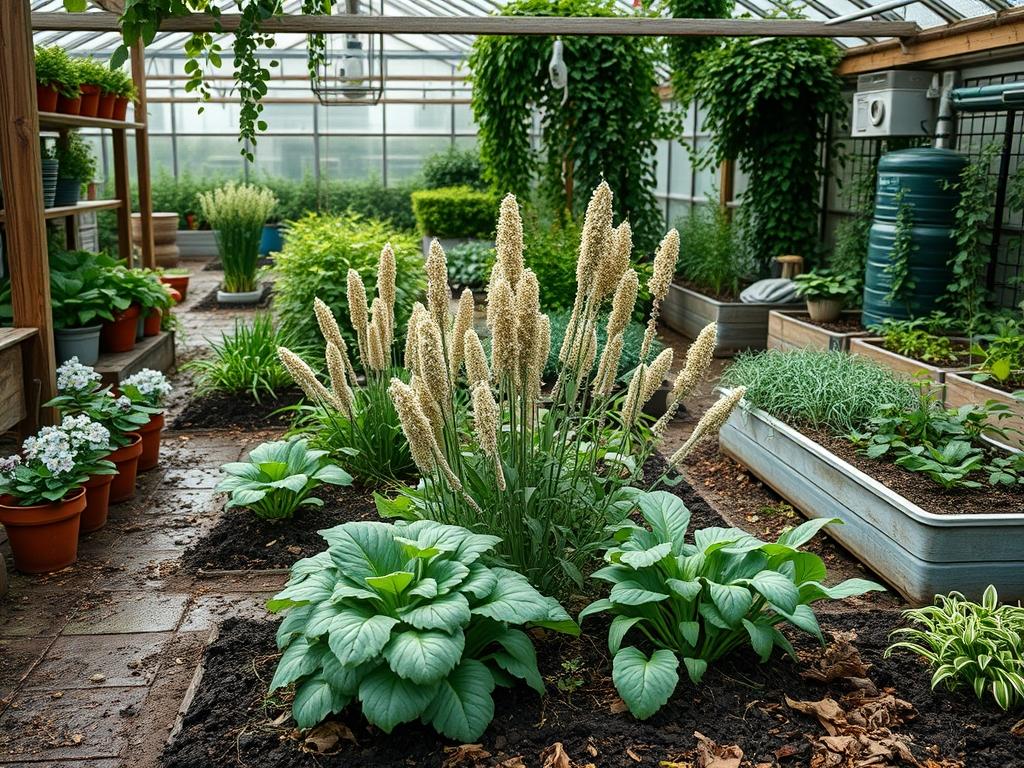
Integrating productive crops into a high-end residential landscape requires a delicate balance between utility and aesthetic sophistication. While traditional gardening often segregates food production to the backyard or a hidden corner, the inclusion of buckwheat, or Fagopyrum esculentum, offers a unique opportunity to enhance the visual texture of a property while providing a functional harvest. From a landscape architecture perspective, buckwheat serves as an ideal temporary filler or a seasonal groundcover that addresses common site challenges such as soil compaction and nutrient depletion. Its delicate white blossoms create a soft, ethereal carpet that rivals many ornamental varieties, making it a viable candidate for curb appeal in transition zones. However, the true value of incorporating this crop lies in the culmination of the season: the process of harvesting garden buckwheat for home milling.
Successful landscape integration depends heavily on understanding the site microclimate and soil structure. Buckwheat is particularly effective in Mediterranean or temperate climates where a quick turnaround is needed between primary planting seasons. Because it reaches maturity in as little as 70 to 90 days, it allows the designer to manage site aesthetics during renovation phases or as part of a long-term soil health strategy. During the growth phase, the dense canopy suppresses weeds and cools the soil surface, acting as a living mulch. When planning for a harvest intended for milling, the architect must ensure the planting area is accessible for mechanical or hand harvesting tools without disturbing the surrounding hardscaping or permanent ornamental borders.
Landscape Design Principles
To elevate buckwheat from a simple farm crop to a design element, we apply the principles of symmetry and focal points. When used in large, rectangular drifts, buckwheat provides a clean, geometric contrast to the organic forms of surrounding shrubs or perennials. It functions effectively as a mid-layer plant in a tiered landscape, sitting between low-growing creeping thymes and taller woody shrubs like Viburnum. The visual weight of the white flowers can be used to lead the eye toward a specific garden focal point, such as a fountain or a piece of sculpture, especially during the peak summer months when the blooms are most vibrant.
Elevation and grading play a critical role in the health and harvestability of the crop. While buckwheat is famously tolerant of poor soil, it will not thrive in standing water or oversaturated low points. A well-executed site plan incorporates slight swales or raised beds to ensure proper drainage, protecting the delicate root systems from rot. Furthermore, the use of defined walkways made from decomposed granite or flagstone allows the homeowner to monitor the ripening of the grain without compacting the soil near the plants. This accessibility is vital for the precise timing required when harvesting garden buckwheat for home milling, as the window for peak grain quality is often narrow.
Visual balance is achieved by pairing the airy, fine-textured foliage of buckwheat with bolder, broad-leafed plants. This contrast prevents the landscape from looking cluttered or unkempt. By using professional edging materials like steel or high-density plastic, the designer can maintain a crisp line between the productive buckwheat zone and the manicured turf or patio areas. This structure ensures that even as the crop matures and begins to turn brown toward harvest time, the overall landscape maintains a sense of intentionality and order.
Plant and Material Selection
| Plant Type | Sun Exposure | Soil Needs | Water Demand | Growth Speed | Maintenance Level |
| :— | :— | :— | :— | :— | :— |
| Common Buckwheat | Full Sun | Well-drained / Poor | Low to Moderate | Fast (30-90 days) | Low |
| Red Clover | Full Sun / Part Shade | Loamy / Moist | Moderate | Medium | Low |
| Winter Rye | Full Sun | Various / Hardy | Moderate | Slow to Medium | Moderate |
| Lacy Phacelia | Full Sun | Sandy / Dry | Low | Fast | Low |
| Crimson Clover | Full Sun | Well-drained | Moderate | Medium | Low |
Implementation Strategy
The process begins with thorough site preparation. Grading is the first priority; the area must be leveled to prevent water pooling while ensuring a slight pitch for runoff. Once the grade is established, the soil should be lightly tilled or aerated. For buckwheat, a broadcast spreader is typically used to ensure even coverage across the designated landscape zones. To achieve a professional finish, the seeds should be raked in to a depth of approximately 1 inch and then firmed down with a light roller to ensure good seed to soil contact.
Irrigation is best handled through a micro-spray system or a soaker hose setup. This avoids the high-pressure impact of traditional rotors, which can knock down the fragile stems as they grow. As the plants reach the flowering stage, irrigation should be carefully monitored. The goal is to keep the soil consistently moist but never waterlogged. When the crop reaches the end of its cycle, the shift from landscape maintenance to harvest management begins. Harvesting garden buckwheat for home milling requires a keen eye. You should begin the harvest when roughly 75 percent of the seeds have turned a dark, mahogany brown.
The actual harvest is best performed in the cool, damp air of the early morning. This moisture helps prevent the seed heads from shattering and dropping the grain onto the soil prematurely. Using a sharp scythe or hand sickles, cut the stalks near the base. These bundles, often called shocks, should be gathered and placed on a clean breathable tarp or hung in a well-ventilated garage or barn. Proper airflow is essential during this curing phase to prevent mold. Once the stalks are completely dry and brittle, the grain can be threshed by beating the bundles against the inside of a large clean bin or by walking over them on a tarp. The final step involves winnowing, using a steady fan or a natural breeze to blow away the light chaff, leaving the heavy, nutrient-dense groats behind for milling.
Common Landscaping Failures
The most frequent mistake in managing a productive landscape is poor drainage. Buckwheat will rapidly succumb to root rot if the site is not properly graded or if the soil lacks sufficient permeability. Another common error is over-fertilizing. While it may seem counterintuitive, excessive nitrogen leads to lush, weak foliage that is prone to lodging, which means the plants fall over before they can be harvested. This not only ruins the grain harvest but also creates a messy, neglected appearance in the garden.
Root overcrowding and improper spacing can also lead to failure. If the seeding rate is too high, the individual plants compete for light and air, resulting in thin, spindly stalks and low grain yields. Conversely, if the seeding is too sparse, weeds will quickly fill the gaps, complicating the harvest and detracting from the visual appeal. Finally, irrigation inefficiencies, such as watering during the heat of the day or using overhead sprinklers during the blooming phase, can interfere with pollination and reduce the overall success of harvesting garden buckwheat for home milling.
Seasonal Maintenance
Seasonal management of a buckwheat-filled landscape follows a distinct rhythm. In the spring, focus on soil testing and site preparation. Ensure all hardscaping elements and irrigation lines are in good working order before any seeds are sown. If you are planting an early crop, monitor for late frosts which can kill young buckwheat seedlings.
During the summer, the primary task is moisture management and weed suppression. While buckwheat is excellent at outcompeting weeds, any aggressive perennials that pop through the canopy should be removed by hand. This is also the period to enjoy the ornamental value of the blooms and the influx of beneficial pollinators like honeybees and butterflies.
Autumn is the season for the harvest. Once the grain is gathered and processed, the remaining plant biomass should not be wasted. Use a flail mower or string trimmer to chop the leftover stalks and incorporate them back into the soil as a green manure. This adds valuable organic matter and improves the soil structure for next year’s planting. In the winter, the landscape should be protected with a thin layer of arborist wood chips or straw mulch to prevent erosion and keep the soil biology active until the spring cycle begins again.
Professional Landscaping FAQ
How do I know the buckwheat is ready for milling?
Check the seeds once the flowers fade. When the majority of the kernels are hard and dark brown, the crop is ready. Harvest immediately to prevent loss from birds or wind shattering the seed heads.
Can I grow buckwheat in a small urban raised bed?
Yes, buckwheat is highly adaptable. Its upright growth habit makes it perfect for contained spaces. Ensure the bed has a depth of at least 8 inches and receives full sun for the best grain production results.
What is the best way to clean the grain after threshing?
Use a series of graduated screens to remove large debris. Then, pour the grain slowly from one bucket to another in front of a high-velocity fan. The air will remove the lightweight hull fragments and dust.
Does buckwheat require a specific soil pH?
Buckwheat is very tolerant but prefers a pH between 5.5 and 7.0. It is famous for its ability to pull phosphorus from the soil and make it available for future plantings, acting as a natural soil conditioner.
Will buckwheat reseed itself and become a weed?
If you harvest the grain efficiently, reseeding is minimal. However, any dropped seeds will likely sprout. These are easily managed through light cultivation or by simply mowing them down before they reach the flowering stage again.