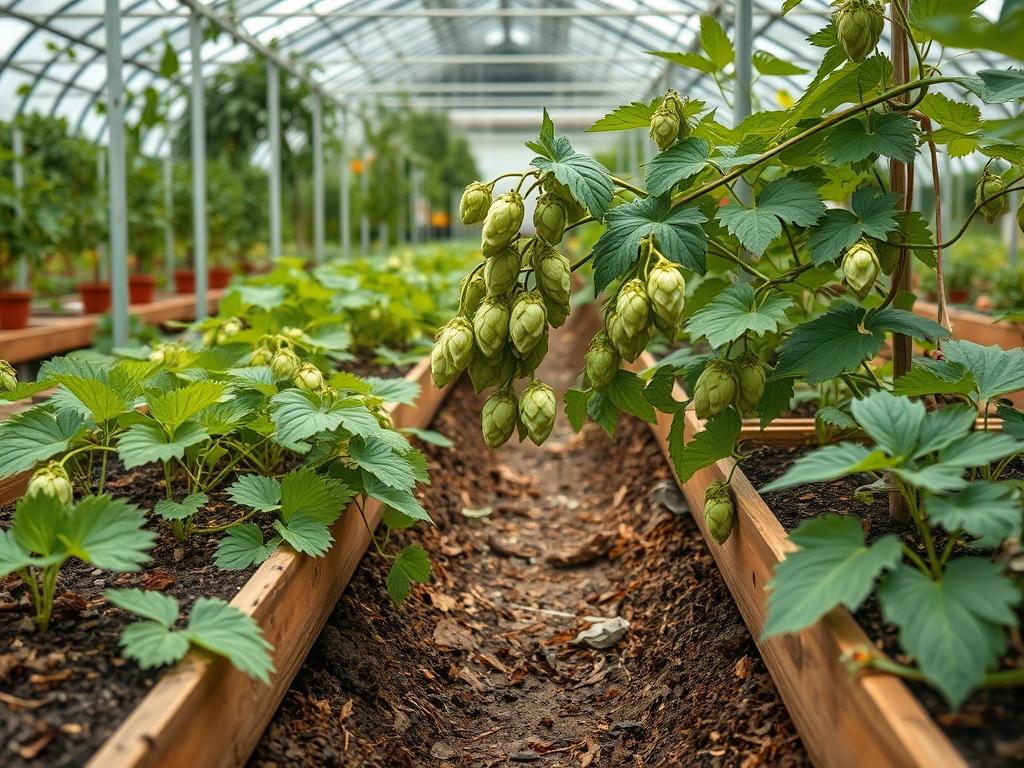
Integrating Humulus lupulus into a professional landscape design offers a unique synthesis of aesthetic verticality and functional utility. As a landscape architect, I view the inclusion of hops not merely as a gardening endeavor, but as a structural intervention that provides shade, privacy, and a distinctive texture to the outdoor environment. Successfully picking fresh hops is the final milestone in a carefully orchestrated site plan that accounts for soil topography, sunlight vectors, and irrigation efficiency. When these bines reach their peak, they transform a modular trellis system into a dense, living screen that enhances the curb appeal and value of the property. The challenge for the designer lies in balancing the aggressive growth habit of the plant with the refined lines of a modern or traditional landscape.
The transition from a purely architectural element to a harvestable commodity requires a keen understanding of the plant’s life cycle within its specific microclimate. Picking fresh hops at the absolute peak of their resin production is both a science and a sensory skill. If harvested too early, the cones lack the essential oils required for a high quality brew; if left too late, they develop an unpleasant, garlic like oxidation. A well managed landscape provides the optimal conditions for this development by ensuring that airflow is maximized and moisture is managed at the root zone rather than on the foliage. The resulting harvest serves as a testament to the health of the broader ecosystem you have constructed.
Landscape Design Principles
In the realm of grand landscape design, hops function as a vertical focal point that can define the spatial limits of an outdoor room. Symmetry plays a vital role here. By installing twin high-tensile wire trellises on either side of a formal walkway, you create a majestic, overhead green canopy that provides an immersive experience for the user. These structures should be integrated with existing hardscaping, such as retaining walls or stone patios, to ensure the heavy weight of the mature bines does not compromise the structural integrity of the garden.
Elevation layers are equally important. While the hops provide the upper canopy, mid level shrubbery and low level groundcovers must be selected to hide the base of the bines, which can become leggy and less attractive as the season progresses. Using native grasses or perennial salvia at the base creates a visual transition that grounds the vertical structure. Furthermore, irrigation planning must be discreet. Subsurface drip irrigation lines should be buried beneath a 3-inch layer of organic mulch to maintain consistent root hydration without detracting from the visual cleanliness of the site. This approach ensures that the energy of the plant is directed toward cone production rather than surviving drought stress, leading to a more consistent window for picking fresh hops.
Plant and Material Selection
Selecting the right cultivars is essential for both the aesthetic goals of the landscape and the flavor profile of the eventual brew. The following table outlines the requirements for common hops and their companion plants.
| Plant Type | Sun Exposure | Soil Needs | Water Demand | Growth Speed | Maintenance Level |
| :— | :— | :— | :— | :— | :— |
| Cascade Hops | Full Sun | Well-drained Loam | High | 10-12 in/day | High |
| Centennial Hops | Full Sun | Sandy/Rich | Moderate | 8-10 in/day | Medium |
| Willamette Hops | Partial/Full Sun | Deep Organic | High | 6-8 in/day | Medium |
| Creeping Thyme | Full Sun | Poor to Average | Low | Moderate | Low |
| Japanese Forest Grass | Shade/Part Sun | Moist/Humus | Moderate | Slow | Low |
| Cedar Posts (Structural)| N/A | Pressure Treated | N/A | N/A | Low |
Implementation Strategy
The implementation of a hop-centric landscape begins with a thorough site analysis and grading plan. You must ensure that the area has a 2 percent slope away from any permanent structures to prevent water from pooling at the crown of the plants. Once the grade is established, the installation of the support system is the primary task. For a professional finish, use 4×4 pressure-treated cedar posts set at a depth of at least 36 inches and secured with concrete. This provides the necessary tension for the coir twine or stainless steel cables where the bines will climb.
After the hardscaping is secure, the soil should be amended with organic compost to reach a pH between 6.0 and 7.5. When planting the rhizomes, space them at least 3 feet apart to allow for adequate lateral growth and air circulation. As the bines emerge in early spring, select the two or three strongest shoots to train onto the vertical supports and prune the rest. This selective training concentrates the plant’s resources, leading to larger, resin-rich cones. Throughout the summer, monitor the mulch depth and maintain a clean edge around the planting bed to prevent the rhizomes from invading the surrounding lawn or garden beds. The goal is to create a tidy, intentional look that demonstrates professional oversight.
Common Landscaping Failures
The most frequent failure in hop landscaping is improper drainage. Because these plants require high amounts of water, many designers over-irrigate without providing a way for excess moisture to escape. This leads to root rot or Downy Mildew, which ruins the crop and creates an eyesore. Another common mistake is root overcrowding. Hops are incredibly vigorous; without proper edging or root barriers, they can quickly overwhelm nearby perennials and disrupt the visual balance of the garden.
Improper spacing is also a major concern. If bines are planted too closely together, they create a dense wall that traps humidity. This lack of airflow prevents the cones from drying out properly after rain, which complicates the process of picking fresh hops. Furthermore, many homeowners fail to account for the sheer weight of the bines in late August. Using flimsy garden stakes or thin twine often results in a collapsed trellis mid-season, which can damage the plant and create a significant maintenance headache. Always over-engineer your support structures to account for wind loads and the saturated weight of mature foliage.
Seasonal Maintenance
Landscape management for hops is a year-round commitment that changes with the seasons. In the Spring, the focus is on training and nitrogen-rich fertilization. This is the period of rapid vegetative growth where the architectural form of the landscape is established. You should check your irrigation emitters to ensure they are not clogged and are delivering water directly to the root zone.
During the Summer, maintenance shifts to monitoring for pests like spider mites and preparing for the harvest. You can tell picking fresh hops is ready when the cones feel dry and papery to the touch. If you squeeze a cone and it stays compressed, it is too wet; if it springs back and emits a pungent, citrusy or pine-like aroma, it is ready. You will also see a bright yellow powder called lupulin inside the leaves of the cone. In Autumn, after the harvest is complete, the bines should be cut back to roughly 6 inches above the ground and covered with a fresh layer of bark mulch for insulation. Finally, in Winter, the landscape architect should inspect the tension on the trellis wires and make any necessary structural repairs before the next growing cycle begins.
Professional Landscaping FAQ
How do I integrate a hop trellis into a small modern garden?
Use vertical wall-mounted cables or a low-profile steel obelisk. This maintains a clean, minimalist aesthetic while allowing for the necessary 15 to 20 feet of vertical growth. Ensure the hardware matches the existing architectural accents for a cohesive look.
What is the best way to prevent hop rhizomes from spreading?
Install a plastic root barrier or a deep metal edging system at least 12 inches into the soil. This contains the aggressive horizontal growth and protects the surrounding lawn or delicate ornamental flower beds from being overtaken.
How can I tell if my hops are receiving enough water?
Monitor the lower leaves for yellowing or wilting during the heat of the day. Using a digital moisture meter at a 6-inch depth provides the most accurate data. Ideally, the soil should feel like a wrung-out sponge.
Are there native plants that complement the look of hops?
Yes, Joe Pye Weed and Coneflower provide excellent color contrast and attract pollinators that help the overall garden health. Their sturdy stems and varied heights help create the necessary elevation layers for a professional landscape design.
What should I do if my trellis collapses under the weight?
If a collapse occurs, carefully lift the bines using nylon straps to avoid kinking the stems. Reinforce the structure with guy wires anchored into the ground. It is vital to restore airflow immediately to prevent fungal growth on the cones.