
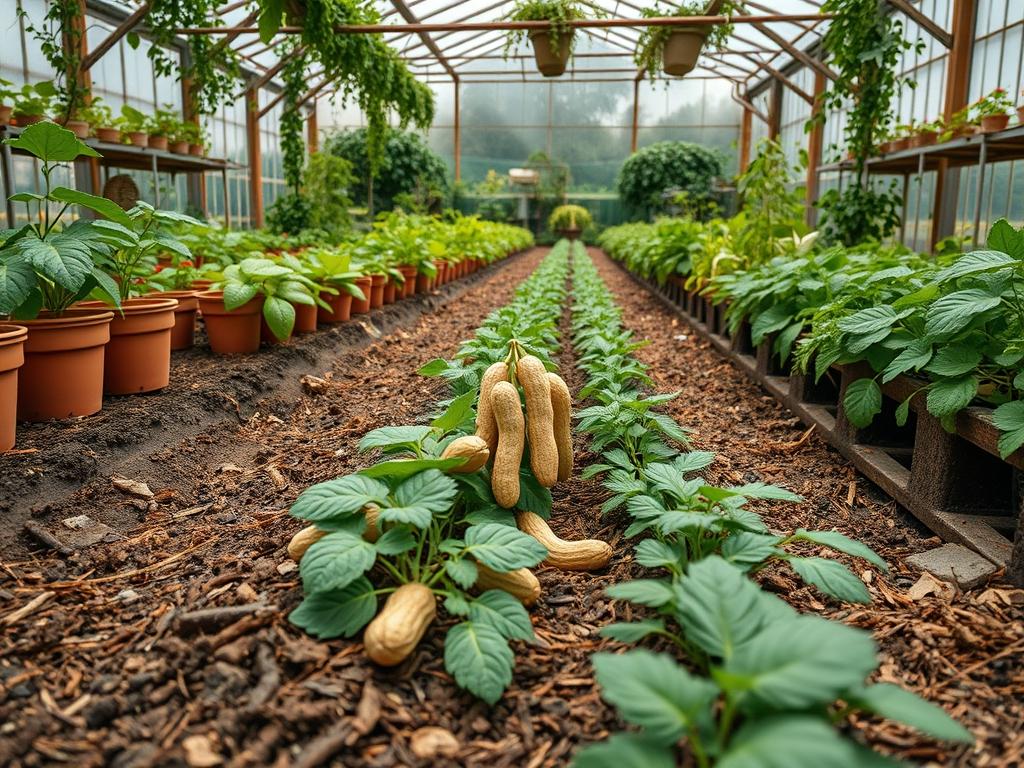
Integrating edible crops into a sophisticated landscape design requires a delicate balance between utility and aesthetics. For many homeowners, the concept of harvesting garden peanuts evokes images of dusty agricultural fields, yet from an architectural perspective, these nitrogen-fixing legumes offer a lush, vibrant green carpet that stabilizes soil and provides a unique texture to transition zones. The primary challenge lies in the temporary nature of the harvest. Unlike permanent ornamental shrubs, the peanut plant must be entirely removed from the earth to yield its crop, which creates a seasonal void in the garden bed. A successful landscape plan anticipates this vacancy by utilizing structural framing and companion planting to maintain curb appeal throughout the lifecycle of the crop.
Climate plays a decisive role in the positioning of these beds. Peanuts demand a long, warm growing season, typically requiring between 120 days to 150 days of frost-free weather. In high-end residential design, we often locate these “production zones” in microclimates that maximize solar gain, such as south-facing slopes or areas adjacent to heat-retaining brick masonry or retaining walls. By treating the peanut patch as a functional groundcover within a larger design language, we satisfy the desire for sustainable, home-grown food without sacrificing the polished look of a professional landscape. The ultimate goal is to create a space that feels intentional, where the act of harvesting garden peanuts is a celebrated event rather than a disruptive chore.
Landscape Design Principles
In the realm of landscape architecture, symmetry and layering are the tools we use to organize chaos. When planning a space intended for harvesting garden peanuts, we apply these principles by treating the crop as a low-level filler within a tiered planting scheme. The groundcover layer, where the Arachis hypogaea resides, should be framed by mid-level perennials and backed by structural evergreens like Boxwood or Yew. This ensures that even when the peanuts are dug up in late autumn, the geometric integrity of the garden remain intact.
Focal points are essential to draw the eye away from the soil disturbance that occurs during the terminal phase of the plant’s life. A well-placed stone fountain, a piece of architectural sculpture, or a large terracotta planter can anchor the site. Walkways should be designed to provide clear access for maintenance and harvesting without compacting the soil near the root zones. We recommend using permeable pavers or stepped flagstones with washed gravel joints. These materials handle the inevitable debris of a harvest while providing a clean, hard edge against the organic softness of the peanut foliage. Irrigation planning is equally critical; underground drip irrigation systems are preferred over overhead sprinklers to keep the foliage dry and prevent fungal pathogens, while delivering consistent moisture to the developing pods beneath the surface.
Plant and Material Selection
Selecting the right cultivars and supporting materials is the foundation of a productive and beautiful garden. The following table outlines the requirements for a successful integration.
| Plant or Material Type | Sun Exposure | Soil Needs | Water Demand | Growth Speed | Maintenance Level |
| :— | :— | :— | :— | :— | :— |
| Virginia Peanut | Full Sun | Sandy, Loamy | Moderate | Moderate | Medium |
| Spanish Peanut | Full Sun | Well-drained | Low to Moderate | Fast | Medium |
| French Marigold | Full Sun | Adaptive | Low | Fast | Low |
| Rosemary | Full Sun | Dry, Sandy | Very Low | Slow | Low |
| Pine Bark Mulch | N/A | Acidic to Neutral | N/A | N/A | Low |
| Calcium Carbonate | N/A | Alkalizing | N/A | N/A | Seasonal |
Implementation Strategy
The implementation of a peanut-focused landscape begins with meticulous site grading. Because peanut pods develop underground, any standing water or poor drainage will lead to rot before the harvest can occur. We recommend a slight 2 percent grade away from the center of the planting bed to shed excess rainwater. If the native soil is heavy clay, the most effective landscape intervention is the installation of a raised garden bed constructed from cedar or natural stone. These beds should be at least 12 inches deep to allow the “pegs” of the peanut plant to easily penetrate the soil after flowering.
Once the hardscaping is in place, the soil must be amended with coarse sand and compost. Unlike many ornamentals, peanuts require soil with a high calcium content to ensure the pods fill out properly. We suggest applying gypsum at the time of planting to provide this calcium without significantly altering the soil pH. Edging is the final step in the layout phase. A sharp, steel edge or a cobblestone border prevents the peanut runners from encroaching on manicured lawn areas. This clear boundary also provides a visual cue that this specific zone is a functional production area.
When the time for harvesting garden peanuts arrives, usually after the first light frost turns the leaves yellow, the soil must be loose enough for a digging fork to lift the entire root mass without snapping the pods off the vines. After lifting the plants, they are often left to wilt in the sun for a few days to begin the curing process. In a professional landscape, we plan for this “curing phase” by ensuring there is a designated flat area, such as a dry-stack stone wall or a garden bench, where the plants can sit without detracting from the overall aesthetic of the backyard.
Common Landscaping Failures
The most frequent failure in edible landscaping is improper drainage. If the elevation of the planting bed is lower than the surrounding terrain, it becomes a basin for runoff. For harvesting garden peanuts, this is a death sentence, as the pods will discolor and rot in subterranean mud. Another common mistake is root overcrowding. While it is tempting to plant densely for an immediate “lush” look, peanuts need approximately 12 inches to 18 inches of space between plants to allow for air circulation and the expansion of the pod-bearing pegs.
Soil compaction is a silent killer in high-traffic landscapes. If the garden design does not include dedicated walkways, guests or maintenance crews may step into the beds. This hardens the earth, making it impossible for the plant to push its reproductive pegs into the ground. Furthermore, irrigation inefficiencies often plague these designs. Over-watering during the final month of growth can cause the seeds to sprout inside the pods before they are even harvested. A professional landscape consultant will implement a smart irrigation controller that adjusts water levels based on the plant’s phenology, reducing moisture as the harvest date approaches.
Seasonal Maintenance
Seasonal management begins in the spring with soil preparation. Once the soil temperature reaches 65 degrees Fahrenheit, the seeds can be sown. During the early summer, the focus shifts to weed suppression. We recommend using a thin layer of wheat straw or pine needles as mulch. Heavy wood chips should be avoided as they can obstruct the pegs. Through the summer months, the primary task is monitoring the “pegging” process, where the yellow flowers fade and send a shoot down into the soil.
As autumn approaches, the landscape shifts into the harvest phase. Harvesting garden peanuts is a physical process; the plants are pulled, inverted, and cured. Once the beds are cleared, the landscape architect must have a plan for a “cover crop” or a thick application of organic mulch to prevent erosion over the winter. In colder climates, winter is the time for hardscape repair and planning. Check the integrity of retaining walls and irrigation lines during the dormant season to ensure the site is ready for the next cycle of growth. This proactive approach ensures the landscape remains a high-value asset year-round.
Professional Landscaping FAQ
What is the best way to handle the visual gap after a peanut harvest?
Utilize structural “evergreen bones” and decorative mulch to maintain bed definition. Planting cold-hardy annuals like Ornamental Kale or Pansies immediately after the harvest can quickly restore the color and texture to the vacant landscape space.
Can peanuts be grown in containers for small patios?
Yes, use containers at least 18 inches wide and 12 inches deep. This allows the pegs enough surface area to reach the soil. Use a lightweight, sandy potting mix to ensure proper drainage and easy extraction during harvest.
How does soil acidity affect the landscape design for peanuts?
Peanuts prefer a pH between 5.8 and 6.2. If your landscape features acid-loving plants like Azaleas, keep the peanut beds separate. Use lime or gypsum to adjust the specific peanut zone without affecting the surrounding ornamental species.
Do I need a specialized tool for harvesting garden peanuts?
A spading fork or a pitchfork is essential for lifting the soil gently. Avoid using a shovel, as it can easily slice through the buried pods. Manual lifting ensures the greatest yield and minimal damage to the delicate peanut shells.
How do I prevent pests from ruining the aesthetic of the peanut foliage?
Integrate companion plants like Marigolds or Alliums to deter common pests naturally. Maintain clear mulch borders and avoid over-irrigating, which keeps the foliage dry and less attractive to fungal gnats and other moisture-seeking insects in the landscape.