
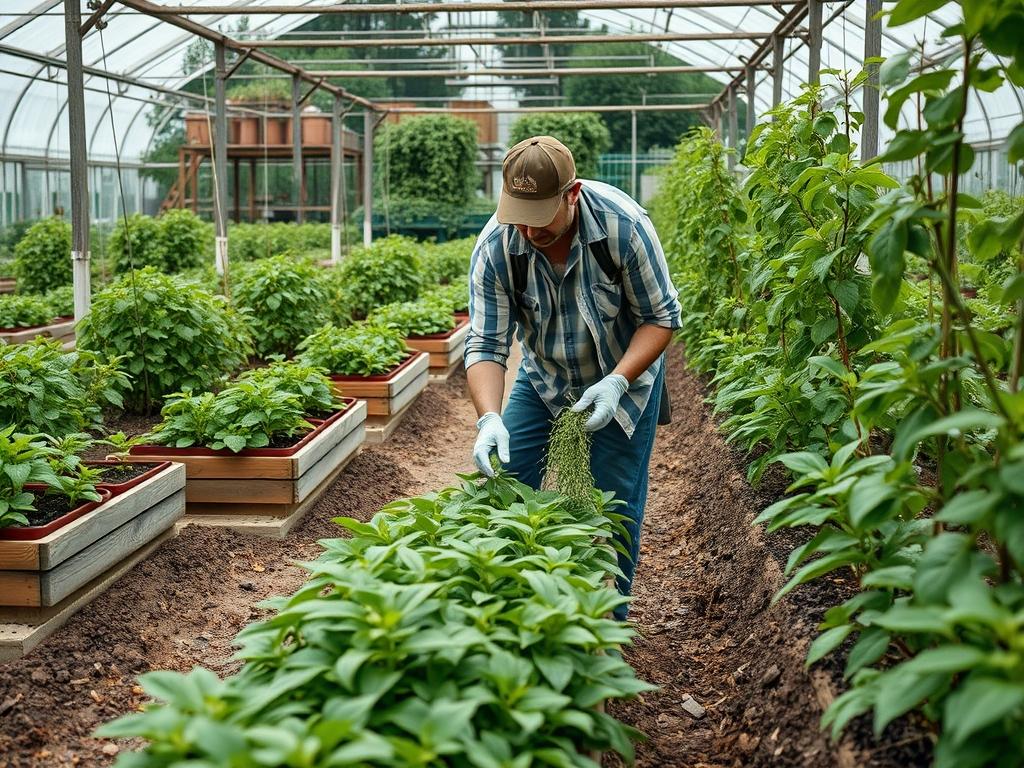
Integrating edible crops into a sophisticated residential landscape requires a delicate balance between utilitarian production and aesthetic harmony. For many property owners, the vegetable garden is often relegated to a hidden corner of the backyard, yet certain species offer the structural integrity and vibrant foliage necessary to occupy more prominent positions. The Soybean (Glycine max), particularly when managed for the edamame stage, serves as an exemplary specimen for this dual purpose. Achieving success in this integration necessitates a deep understanding of local microclimates and soil chemistry. In many temperate zones, these plants act as a lush, mid-level filler that provides a dense canopy of trifoliate leaves. However, the most critical element of incorporating this crop into a master plan is the harvest timing. Picking fresh soybeans at the edamame stage is best because it optimizes both the culinary value of the plant and the visual longevity of the garden beds. When the pods are harvested young, the plant maintains a more vibrant green hue for a longer duration, preventing the desiccated, yellowing appearance that occurs during the late-stage drying of field soy.
The landscaping challenge often involves managing the transition between purely ornamental zones and functional kitchen gardens. A well-designed kitchen garden, or potager, should enhance the curb appeal of the home while providing a high yield for the kitchen. Soybeans are particularly valued in these designs because of their nitrogen-fixing capabilities, which improve the soil health for future rotations. From a consultant’s perspective, the decision to plant edamame is a strategic one aimed at maximizing outdoor functionality. By focusing on picking fresh soybeans before they harden, the homeowner ensures a crop that is high in sugar and tender in texture. This requires a precise understanding of the plant’s phenology. If the designer fails to account for the rapid maturation of the pods during mid-summer heat, the landscape can quickly shift from a lush green space to a patch of brittle stalks.
Landscape Design Principles
In professional landscape architecture, we view every plant through the lens of symmetry and focal points. Soybeans provide a consistent, mounded form that can be used to create define edges or to soften the transition between hardscaping elements and wilder perimeter plantings. When planning a layout, it is essential to consider elevation layers. We typically place soybeans in the middle tier of a planting bed, approximately 18 to 24 inches behind low-growing herbs like thyme or oregano, but in front of taller architectural plants such as trellised cucumbers or sweet corn. This layering creates a visual depth that draws the eye through the space.
Irrigation planning is another pillar of high-end design that directly affects harvest quality. For a soybean crop, a coordinated drip irrigation system is superior to overhead spraying. This targeted approach keeps the foliage dry, which reduces the risk of fungal pathogens, while ensuring a consistent moisture level at the root zone. Visual balance is achieved by grouping these plants in blocks rather than single rows. Mass planting creates a “green carpet” effect that looks intentional rather than haphazard. Furthermore, the use of flagstone walkways or decomposed granite paths between these blocks allows the homeowner to access the crop for picking fresh soybeans without compacting the soil or disrupting the visual flow of the garden.
Plant and Material Selection
Selecting the right variety of Soybean is as crucial as selecting the right paver stones or retaining wall blocks. For high-end residential use, we prioritize varieties known for their large pod size and resistance to lodging, which is the tendency of a plant to fall over under its own weight.
| Plant Type | Sun Exposure | Soil Needs | Water Demand | Growth Speed | Maintenance Level |
| :— | :— | :— | :— | :— | :— |
| Soybean (Edamame) | Full Sun | Sandy Loam | Moderate | Fast | Medium |
| Nitrogen Inoculant | N/A | Root zone | Essential | N/A | Initial |
| Cedar Mulch | N/A | Acidic/Neutral | N/A | N/A | Annual |
| Compost Tea | N/A | Nutrient Rich | High | N/A | Bi-weekly |
| Drip Tubing | Indirect | N/A | High | N/A | Low |
The soil profile must be carefully curated. We recommend a sandy loam with a pH of 6.0 to 6.8 to ensure maximum nutrient uptake. Before installation, adding a high-quality organic compost will provide the initial boost needed for rapid canopy closure. This closure is vital for weed suppression, which reduces the long-term maintenance burden of the landscape.
Implementation Strategy
The implementation of an edible landscape begins with professional grading. Proper drainage is the foundation of any outdoor environment; for soybeans, a 2 percent slope away from the home’s foundation ensures that water does not pool around the delicate root systems. Once the grade is established, we install steel edging or pressure-treated timber to define the boundaries of the planting beds. This creates a clean line between the lawn and the garden, which is a hallmark of professional design.
When the layout is marked, the soil should be amended with a 1-inch layer of compost and a starter fertilizer high in phosphorus. Planting seeds at a depth of 1 inch with a spacing of 3 to 4 inches within the row is standard. However, from an aesthetic standpoint, we often stagger the seeds in a zigzag pattern to create a fuller, more hedge-like appearance. After planting, a 2-inch layer of hardwood mulch or pine bark should be applied across the entire surface. This preserves moisture and regulates soil temperature during the peak of summer. As the plants reach the flowering stage, the irrigation schedule must be monitored closely. Picking fresh soybeans usually occurs about 80 to 90 days after planting. The pods should be bright green and plump, showing the distinct shape of the beans inside without the pods turning yellow or becoming fuzzy and dry.
Common Landscaping Failures
One of the most frequent errors in garden planning is improper drainage. If a site suffers from poor percolation, the roots of the Soybean will experience anaerobic conditions, leading to stunted growth and reduced yields. This is often caused by soil compaction during the construction phase of the home. Before planting, we recommend a compaction test to determine if a sub-surface drainage system or French drain is necessary.
Another failure involves root overcrowding. While we want a dense look, planting too closely prevents airflow and encourages spider mites or powdery mildew. Furthermore, many novice gardeners wait too long to harvest. Picking fresh soybeans is a narrow window. If you miss the edamame stage, the beans become mealy and the pods become tough and fibrous, rendering the crop less desirable for consumption and the plant visually unappealing as it begins its natural decline. Finally, irrigation inefficiencies, such as uneven water distribution, can lead to “blank pods” where the outer shell develops but the inner bean fails to swell. This is why a calibrated irrigation controller and pressure regulators are essential components of the system.
Seasonal Maintenance
Seasonal management ensures that the landscape remains a year-round asset. In the spring, the focus is on soil preparation and the installation of irrigation lines. This is the time to check for leaks and ensure that the backflow preventer is functioning correctly. As the weather warms, the planting should be timed so that the soybean canopy is established before the intense heat of July.
Summer maintenance is dominated by monitoring for pests and ensuring consistent moisture. Weekly inspections of the leaf undersides can catch early signs of aphids or Japanese beetles. This is also the season for the primary harvest. Picking fresh soybeans should be done in the morning when the sugar content is at its highest. Once the harvest is complete, the plants can be tilled back into the soil or removed to make way for autumn ornamentals like kale or mums.
In the autumn, the beds should be cleared of all debris to prevent the overwintering of pathogens. Applying a cover crop like winter rye can protect the soil from erosion. Winter is the time for structural maintenance. Inspect retaining walls, sharpen pruning shears, and plan the layout for the following year. This cyclical approach ensures the landscape is always evolving and improving.
Professional Landscaping FAQ
How do I know the exact moment for picking fresh soybeans?
Examine the pods when they are approximately 2 to 3 inches long. The beans inside should be plump and touching each other, filling out the pod. The color should be a vivid, bright green without any hints of yellowing.
What is the best mulch for a soybean-focused garden bed?
A finely shredded cedar mulch or clean straw is ideal. These materials regulate soil temperature and retain moisture without significantly altering the soil pH. They also provide a clean, finished look that enhances the overall garden aesthetic.
Can soybeans be grown in containers for patio landscaping?
Yes, but they require a 5-gallon container with high-quality potting mix and consistent drainage. Use a slow-release fertilizer and ensure the container receives at least six hours of direct sunlight to produce a viable crop for picking.
Do I need a trellis for my soybeans?
Most edamame varieties are “bush” types and do not require heavy trellising. However, in windy areas, a light bamboo stake or twine border can prevent the plants from leaning over and maintain the architectural lines of the landscape.
How does overwatering affect the harvest quality?
Excessive water during the pod-filling stage can dilute the sugars in the bean and lead to a bland flavor. It also increases the risk of root rot. Utilize a rain sensor to prevent the irrigation system from running during storms.