
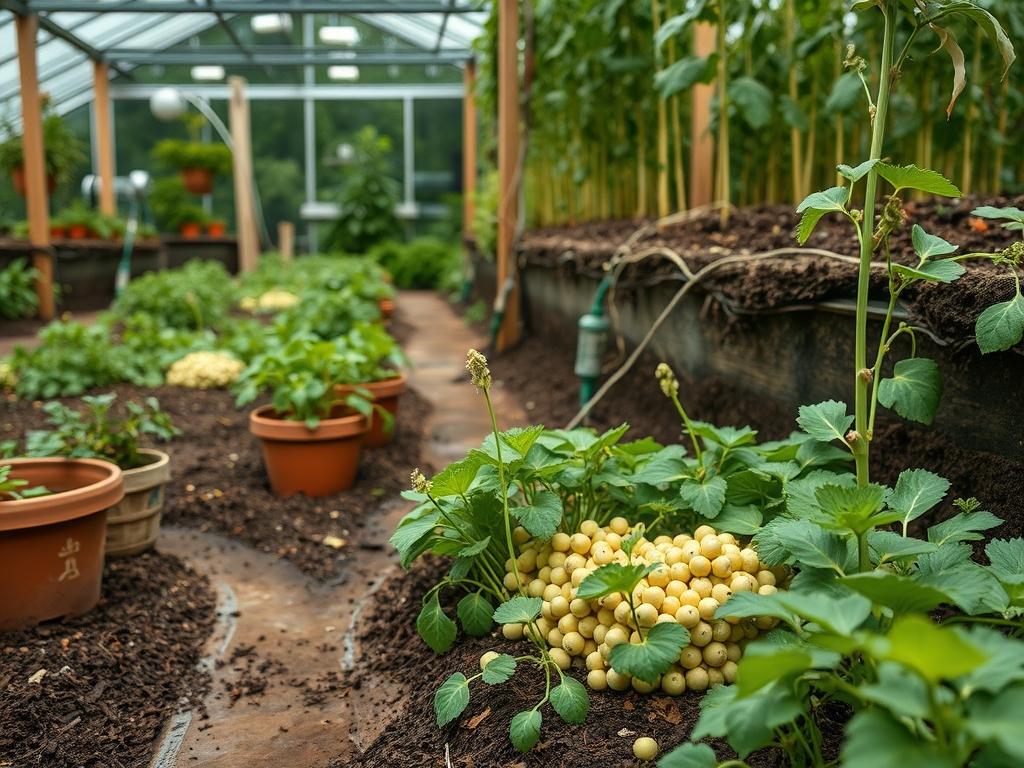
Integrating functional agriculture into a sophisticated residential landscape requires a delicate balance between aesthetic elegance and horticultural productivity. When planning a garden focused on harvesting garden chickpeas for hummus projects, the designer must look beyond the kitchen and consider how these delicate, feathery plants contribute to the overall architectural rhythm of the outdoor environment. Chickpeas, scientifically known as Cicer arietinum, offer a unique silvery-green texture that can soften the hard edges of Paver Walkways or provide a low-growing foreground to more structural shrubs. In many temperate climates, the challenge lies in managing the specific drainage requirements of legumes while ensuring they contribute to the curb appeal of the property throughout their growing cycle. A well-designed edible landscape does not merely hide crops in a back corner; instead, it utilizes them as a seasonal layer within a larger, cohesive master plan.
The success of a hummus-focused garden begins with site analysis and microclimate identification. Chickpeas require a significant amount of heat and an extended growing season to reach the dry stage necessary for shelf-stable storage or high-quality processing. In a professional landscape context, this often means placing them near heat-retaining structures, such as Natural Stone Retaining Walls or south-facing Brick Masonry. These elements act as thermal masses, radiating heat during the cooler evening hours and accelerating the maturation of the pods. This thoughtful placement ensures that the transition from green to golden-brown, which signals the harvest window, occurs uniformly across the planting bed. By treating the chickpea crop as a formal design element, the landscape architect can provide the homeowner with both a functional harvest and a visually stunning Mediterranean-inspired courtyard.
Landscape Design Principles
Effective landscape design for edible legumes relies heavily on the principle of rhythmic repetition and structural layering. To maintain visual interest, Cicer arietinum should be planted in dense, geometric drifts rather than scattered rows. This approach creates a sense of intentionality, making the garden look like a curated display rather than a farm plot. Symmetry plays a vital role here; balancing a chickpea bed on the left side of a central Stone Path with a similar mass of Lavandula or Salvia on the right establishes a formal harmony that appeals to the eye. The fine foliage of the chickpeas serves as a focal point when contrasted against the broad leaves of larger ornamental plants, creating a play of light and shadow that changes throughout the day.
Elevation is another critical factor in the design of a harvest-ready garden. Utilizing Raised Garden Beds constructed from Western Red Cedar or Corten Steel allows for precise control over soil quality and drainage. Elevation also makes the eventual task of harvesting garden chickpeas easier on the body, as the pods are lifted to a more accessible height. From a design perspective, varying the height of planting surfaces adds depth to the backyard and helps define different outdoor rooms. Irrigation planning must be integrated into this structural phase, ensuring that Drip Irrigation Lines are hidden beneath a layer of Organic Cedar Mulch to provide moisture directly to the roots without wetting the foliage, which can lead to fungal issues in dense plantings.
Plant and Material Selection
| Plant Type | Sun Exposure | Soil Needs | Water Demand | Growth Speed | Maintenance Level |
| :— | :— | :— | :— | :— | :— |
| Cicer arietinum | Full Sun (6 to 8 hours) | Well-drained Sandy Loam | Low to Moderate | Moderate | Medium |
| Lavandula angustifolia | Full Sun | Alkaline / Gritty | Very Low | Slow to Moderate | Low |
| Rosmarinus officinalis | Full Sun | Well-drained / Rocky | Low | Moderate | Low |
| Thymus vulgaris | Full Sun to Partial | Average / Loose | Low | Fast | Low |
| Allium schoenoprasum | Full Sun | Rich Organic Matter | Moderate | Fast | Low |
Implementation Strategy
The transition from a design concept to a physical garden requires a systematic implementation strategy. First, the site must be graded to ensure that water moves away from the foundations of the home and any sensitive hardscaping. For chickpea production, a grade of 2 percent is often ideal to prevent pooling in the root zone. Once the grading is complete, the perimeter of the garden should be defined using Steel Edging or Belgium Block to create a crisp boundary between the planting beds and the lawn or walkways. This edging prevents the migration of turf grass into the chickpea beds, which would compete for nutrients and complicate the harvest process.
After the structural boundaries are set, the soil should be amended with a high-quality Triple-Mix Soil consisting of topsoil, peat moss, and Compost. This mixture provides the necessary porosity for chickpea roots to thrive. When planting, space the seeds or seedlings approximately 6 inches apart in rows spaced 12 inches wide. This density ensures that the plants can support each other as they grow, reducing the need for intensive staking. As the plants mature, apply a 2 inch layer of Hardwood Mulch to regulate soil temperature. Throughout the growing season, monitoring the color of the pods is essential; for hummus projects, you are looking for the pods to turn a dry, tan color. Use a Manual Garden Shears or a sharp Pruning Knife to harvest the entire plant once the seeds rattle inside the pods, then hang them in a ventilated area to finish drying before shelling.
Common Landscaping Failures
One of the most frequent mistakes in edible landscaping is a failure to address drainage properly. Chickpeas are particularly susceptible to root rot if they sit in heavy, waterlogged soil. Homeowners often skip the installation of a French Drain or failing to incorporate enough Perlite or coarse sand into the soil profile. Without a clear path for excess water to exit the root zone, the plants will yellow and die before they can produce a viable harvest for your hummus. Similarly, soil compaction from heavy foot traffic can suffocate the roots. Installing Flagstone Stepping Stones within the garden beds allows for maintenance and harvesting without compressing the growing medium.
Another common failure is the improper spacing of plants, which leads to overcrowding and poor air circulation. When Cicer arietinum is planted too closely, the interior foliage remains damp, inviting powdery mildew and other pathogens. This not only ruins the harvest but also creates an unsightly, diseased patch in an otherwise beautiful landscape. Over-fertilization with nitrogen is also a frequent error; as legumes, chickpeas fix their own nitrogen. Adding too much High-Nitrogen Fertilizer will result in lush, green foliage but very few pods. Instead, focus on providing Potassium and Phosphorus to encourage bloom and pod development.
Seasonal Maintenance
Managing a landscape requires a year-round commitment to seasonal tasks. In the spring, the focus is on soil preparation and the installation of the crop. Test the soil pH to ensure it falls between 6.0 and 7.0. Clear away any debris from the winter and refresh the Mulch layers to suppress early weed growth. As the weather warms, begin the planting process, ensuring that the Drip Irrigation System is pressurized and free of leaks.
During the summer, the primary task is water management and monitoring for pests. While chickpeas are drought-tolerant, they require consistent moisture during the flowering and pod-setting stages. Use a Soil Moisture Meter to check levels at a depth of 4 inches. As autumn approaches, the harvest of garden chickpeas begins. This is a critical time to reduce irrigation to allow the pods to dry on the vine. Once the harvest is complete, remove the spent vegetation but leave the roots in the ground; they will decompose and release valuable nitrogen back into the soil for next year’s ornamental plantings. In winter, clean and sharpen all Garden Tools, and consider planting a cover crop like Winter Rye to protect the bare soil from erosion.
Professional Landscaping FAQ
How do I know when the chickpeas are ready for hummus?
The pods will turn a dry, straw-yellow color and the seeds inside will rattle when shaken. This usually occurs late in the summer. Ensure the pods are brittle to the touch before starting your harvest.
Can I grow chickpeas in a shaded area of my yard?
No, chickpeas require at least 6 to 8 hours of direct sunlight daily. Planting them in the shade will result in weak, leggy growth and very few pods, significantly diminishing the yield for your culinary projects.
What is the best mulch for an edible legume garden?
A clean, Organic Straw or a finely shredded Hardwood Mulch is best. Avoid dyed mulches, as they may contain chemicals you do not want leaching into a food-producing area of your professional landscape.
How do I prevent animals from eating my harvest?
Installing a decorative Wrought Iron Fence or a subtle Bird Netting can deter pests. For a more integrated look, use aromatic companion plants like Allium or Marigolds to naturally repel common garden foragers.
Do chickpeas need a trellis for support?
Generally, no. When planted in dense groups, the plants support one another. However, in high-wind areas, a low Bamboo Stake and Twine system can provide extra stability without distracting from the visual aesthetic of the garden.