
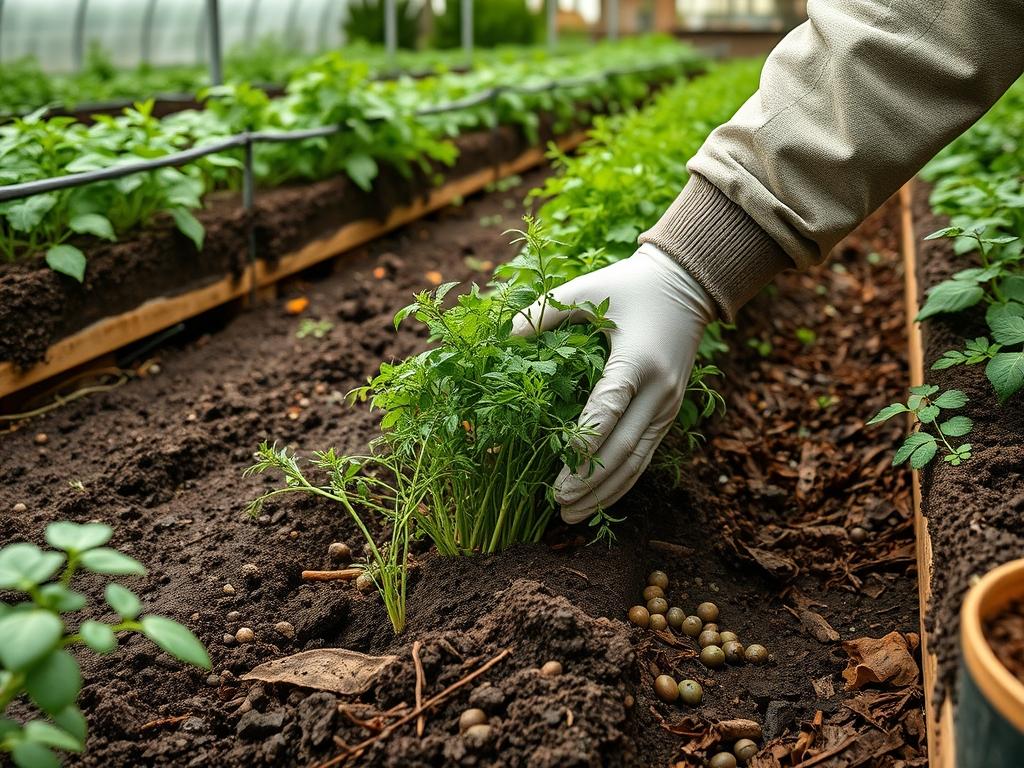
Integrating edible crops into a high-end residential landscape requires a delicate balance between utilitarian productivity and refined aesthetic appeal. When we introduce Lentils (Lens culinaris) into a garden plan, we are not merely planting a food source; we are incorporating a fine textured, nitrogen fixing groundcover that serves as a living mulch. The primary challenge for any consultant is ensuring that the transition from the ornamental phase to the harvest phase remains visually pleasing. Lentils offer a misty, feathery foliage that softens the hard edges of bluestone pavers or retaining walls. However, the success of this integration culminates in the harvest. Understanding the precise timing for Picking Fresh Lentils is essential for maintaining the health of the soil and the visual integrity of the garden beds before they transition into their autumn configuration.
Climate considerations play a pivotal role in the placement of these legumes. Lentils thrive in cool temperate regions and require a well drained site to prevent root rot, which can quickly turn a lush green border into a patchy, yellowing eyesore. From a curb appeal perspective, the transition of the pods from a vibrant green to a tawny gold offers a seasonal color shift that mimics the natural curing of ornamental grasses. This color change is your first visual cue. When the pods begin to lose their moisture and feel like parchment between your fingers, the landscape is signaling that the harvest window has opened. Proper planning ensures that as you are Picking Fresh Lentils, the surrounding perennials are positioned to fill the resulting gaps, maintaining a continuous tapestry of texture and color throughout the growing season.
Landscape Design Principles
Symmetry and structural focal points are the foundations of a professional outdoor environment. When placing lentils, consider using them as an infill for geometric parterres or as a soft boundary along flagstone walkways. By using lentils in symmetrical blocks, the landscape architect creates a sense of intentionality, preventing the edible elements from appearing unkempt or purely agricultural. Elevation layers are equally important. Because lentils typically reach a height of 12 to 18 inches, they should occupy the mid-foreground of a border. This allows taller structural plants, such as Upright Yew or Boxwood, to provide a dark green backdrop that makes the lighter green lentil foliage pop.
Irrigation planning must be tailored to the specific lifecycle of the legume. Unlike many ornamental flowers that require consistent moisture to thrive, lentils require a reduction in water as the pods mature. A zoned drip irrigation system is the most effective way to manage this requirement. By placing lentils on a separate zone from moisture-loving hydrangeas or roses, you can induce the necessary drying phase that leads to successful pod ripening. Visual balance is maintained by ensuring the curing pods do not look like dying weeds. This is achieved by clean metal edging and a consistent dark hardwood mulch that provides a frame for the golden-brown harvest-ready stalks.
Plant and Material Selection
| Plant Type | Sun Exposure | Soil Needs | Water Demand | Growth Speed | Maintenance Level |
| :— | :— | :— | :— | :— | :— |
| Lentils | Full Sun | Well-drained, sandy loam | Low to Moderate | Moderate | Medium |
| Creeping Thyme | Full Sun | Poor, gritty soil | Low | Fast | Low |
| English Lavender | Full Sun | Alkaline, sharp drainage | Low | Slow to Moderate | Medium |
| Blue Oat Grass | Full Sun | Average, well-drained | Low | Moderate | Low |
| Sedum ‘Autumn Joy’ | Full Sun/Part Shade | Any well-drained | Low | Moderate | Low |
Implementation Strategy
The transition from a design on paper to a physical landscape begins with grading. Proper site preparation ensures that water moves away from the crowns of the plants. For a lentil-inclusive bed, start by tilling the soil to a depth of 8 inches and incorporating coarse sand or fine gravel if the existing soil is heavy clay. Lentils are highly sensitive to “wet feet,” so creating a slight mound or a raised bed can provide the necessary elevation for drainage. Once the grading is complete, install your hardscape elements. Use 4-inch steel edging to define the boundaries between the lentil patches and the primary walkways, which prevents the delicate stems from spilling over and becoming a tripping hazard.
When planting, space the seeds approximately 1 inch apart in rows spaced 5 inches from each other. This density creates a thick mat of foliage that suppresses weeds and contributes to the “living mulch” effect. As the plants grow, monitor the soil moisture with a tensiometer to ensure the root zone remains damp but not saturated. As the season progresses towards the harvest window, observe the lower pods first. Picking Fresh Lentils at the peak of ripeness requires a keen eye. The pods at the base of the plant mature first. You are looking for a transition from a succulent green pod to one that is firm, slightly translucent, and beginning to turn yellow. If the pods are still flexible and bright green, the seeds inside are underdeveloped and will lack the nutty flavor and firm texture required for culinary use.
Common Landscaping Failures
The most frequent mistake in edible landscaping is improper drainage. If the landscape lacks a French drain or sufficient pitch, lentils will suffer from fungal pathogens that can spread to nearby ornamentals. Over-irrigation is another common failure. Architects often forget that once the pods begin to swell, the plant’s water needs drop significantly. Continuing a high-volume watering schedule will result in “shattering,” where the pods burst open prematurely, spilling the seeds into the mulch and creating a messy, volunteer-weed problem for the following year.
Root overcrowding is also a concern when lentils are used alongside vigorous perennials. Without a physical barrier like a root curtain or sufficient spacing, the lentils may be out-competed for nutrients. Furthermore, soil compaction from heavy foot traffic during the maintenance phase can stunt growth. Always design a landscape with designated access stones or mulched paths to ensure that when you are Picking Fresh Lentils, you are not stepping directly onto the root zones of adjacent plants. Finally, neglecting the aesthetic transition as the plants dry can lead to a “dead” look in the garden. To avoid this, interplant with late-blooming species like Aster or Goldenrod that will take over the visual heavy-lifting as the lentils reach their golden, harvestable state.
Seasonal Maintenance
Spring maintenance focuses on soil preparation and early weed suppression. Apply a low-nitrogen organic fertilizer to encourage root development without over-stimulating foliage at the expense of pod production. As the weather warms into summer, the focus shifts to monitoring the development of the pods. This is the critical period for Picking Fresh Lentils. Check the crop every two days. A ripe pod should feel dry and the seeds inside should be hard. If you can leave a dent in the seed with your thumbnail, it is not yet fully ripe. For a “fresh” harvest, seeds should be fully formed but still have a hint of moisture.
In autumn, once the harvest is complete, the remaining plant matter should be tilled back into the soil to take advantage of the nitrogen nodules on the roots. This improves the soil quality for the next season’s plantings. Clean the area of any fallen debris to prevent over-wintering pests. Winter maintenance involves protecting the soil from erosion. Apply a 3-inch layer of clean straw or shredded leaves over the bed. This protects the soil structure and keeps the beneficial microbial life active until the spring cycle begins again.
Professional Landscaping FAQ
How do I know the lentils are ready for harvest?
Look for pods that have turned from green to a yellow or light brown hue. The pods should feel dry and brittle to the touch. The seeds inside must be firm and difficult to crush between your fingers.
Can I pick lentils while the pods are still green?
Yes, you can harvest them young for a succulent, pea-like flavor. However, for traditional dried lentils, wait until the pods are fully dry. Picking Fresh Lentils at the green stage requires immediate consumption or refrigeration since they spoil quickly.
What is the best way to prevent pod shattering?
Monitor the moisture levels closely as the plants mature. Avoid overhead watering once the pods start to change color. Harvest in the early morning when the dew provides a slight amount of flexibility to the brittle pods, reducing the risk of splitting.
Do lentils require a support structure or trellis?
Most common garden lentils are self-supporting when planted in a dense block. However, in high-wind areas or for taller heirloom varieties, a low brush-wood support or a short wire fence can prevent the plants from lodging or falling over in heavy rain.
Which companion plants work best with lentils?
Lentils pair well with Cucumbers and Summer Squash because they provide nitrogen to the soil. For aesthetic purposes, pair them with Blue Fescue or Stonecrop to create a contrast between the airy lentil foliage and the structural, succulent forms of the ornamentals.