
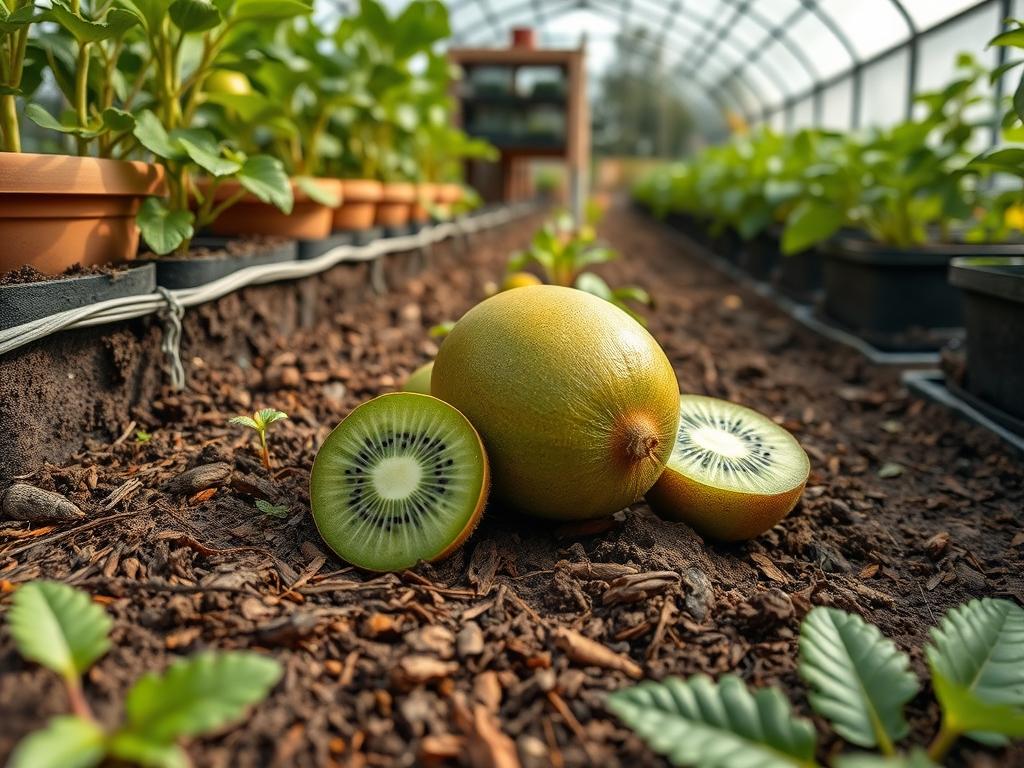
Cultivating kiwifruit in a professional residential landscape requires a sophisticated balance between aesthetic architectural design and precise horticultural timing. As a landscape architect, I view the Actinidia vine not merely as a fruit producer, but as a vigorous vertical screening tool that adds significant biomass and texture to an outdoor environment. However, the ultimate success of this installation culminates in the final weeks of autumn. Harvesting garden kiwifruit before the first frost is a critical window that determines whether your seasonal labor yields a luxury crop or a fermented mess. The vine is a heavy feeder and a thirsty climber, often requiring robust retaining walls or custom steel pergolas to support its significant weight. When temperatures begin to drop, the sugars in the fruit reach their peak, but an overnight freeze can rupture cell walls and ruin the texture. Integrating these vines into a landscape plan involves accounting for sun traps, microclimates, and easy access for the eventual high volume harvest.
To ensure a successful harvest, one must understand how the landscape’s layout affects fruit maturation. Cold air behaves like water, flowing downhill and settling in low spots. If your kiwifruit vines are situated at the base of a slope without proper drainage or air circulation, they are at a heightened risk for early frost damage. Conversely, planting against a south facing masonry wall can create a thermal mass effect, where the stone or brick absorbs solar heat during the day and radiates it back to the fruit at night. This technique can buy a gardener an extra two weeks of ripening time, which is often the difference between a sour fruit and one with a perfect Brix level. Harvesting garden kiwifruit is less about a specific date on the calendar and more about monitoring the plant’s internal sugar development and the local meteorological shifts.
Landscape Design Principles
In the realm of high end outdoor design, symmetry and focal points are essential when incorporating fruiting vines. A common mistake is treating kiwifruit as a hidden vegetable patch element rather than a centerpiece. By using Actinidia deliciosa to flank a grand walkway or cover a structural pavilion, you create a sense of enclosure and intimacy. Visual balance is achieved by pairing the large, heart shaped leaves of the vine with finer textured native plants or ornamental grasses at the base. This layering creates depth and hides the thick, woody trunks that can become unsightly over time.
Elevation layers are equally important. Utilizing multi tiered retaining walls allows the vines to spill over the edges, making the fruit easier to reach during the harvest process. Irrigation planning must be integrated into the initial hardscape phase. We typically specify sub surface drip irrigation systems to ensure consistent moisture without promoting leaf diseases. Walkways should be designed with a minimum width of 48 inches to accommodate harvest equipment, such as ladders or picking bins, without damaging the delicate peripheral foliage or the fruit itself.
Plant and Material Selection
Selecting the right cultivar and supporting materials is the foundation of a productive and beautiful landscape. The table below outlines the primary options for various site conditions.
| Plant Type | Sun Exposure | Soil Needs | Water Demand | Growth Speed | Maintenance Level |
| :— | :— | :— | :— | :— | :— |
| Actinidia deliciosa (Fuzzy) | Full Sun | Deep, acidic loam | High | Rapid | Professional |
| Actinidia arguta (Hardy) | Full to Partial | Well-drained | Moderate | Fast | Intermediate |
| Native Groundcover | Shade/Sun | Adaptable | Low | Moderate | Low |
| Cornus sericea | Sun/Partial | Moist, varied | Moderate | Moderate | Low |
| Lonicera sempervirens | Sun/Partial | Well-drained | Moderate | Moderate | Low |
For structural support, we recommend galvanized steel cables or pressure treated timber with a minimum post size of 6×6 inches. The sheer weight of a mature kiwifruit canopy, especially when laden with fruit, can exceed several hundred pounds per linear foot. Using flimsy plastic netting or thin wood lattices will lead to structural failure within three to five years.
Implementation Strategy
A successful backyard layout begins with proper grading. The site must be sloped at a 2 percent minimum grade away from the house and the vine’s root zone to prevent standing water. If the soil is heavy clay, we implement a French drain system using 4-inch perforated pipe and washed gravel. Once the drainage is secured, the edging for the garden beds should be installed. We prefer 14-gauge steel edging for a crisp, modern line that separates the lush vine beds from the structural walkways.
Next, focus on the soil preparation. Kiwifruit vines require a mulch depth of at least 3 inches to protect their shallow root systems from temperature fluctuations. We specify organic cedar mulch or pine bark, which acidifies the soil slightly as it decomposes. When it comes to harvesting garden kiwifruit, the implementation of a “sun trap” design is vital. By arranging the trellis in a U-shape or C-shape facing the sun, you trap warm air around the fruit clusters, accelerating the conversion of starches to sugars before the autumn frost hits.
During the harvest, utilize a refractometer to measure the sugar content of the fruit. For most fuzzy varieties, a Brix reading of 6.2 percent or higher is the signal to begin picking. Use sharp pruning shears to clip the fruit, leaving a small portion of the stem attached. This prevents the skin from tearing, which can lead to rapid rot in storage.
Common Landscaping Failures
The most frequent failure in kiwifruit landscaping is inadequate structural support. Many homeowners underestimate the vigor of the vine, leading to collapsed trellises that crush the fruit and the surrounding native plants. Another common issue is root overcrowding. Providing a minimum of 10 to 15 feet of space between vines is non negotiable for long term health. Without this spacing, the vines compete for nutrients, and the interior of the canopy becomes a stagnant zone for pests and fungal pathogens.
Irrigation inefficiencies also rank high on the list of failures. Overhead watering encourages Botrytis, a fungus that can destroy the fruit just weeks before the harvest. Furthermore, soil compaction from heavy foot traffic during the growing season can suffocate the roots. We mitigate this by incorporating designated flagstone paths or pavers within the planting beds to distribute weight and protect the soil structure. Finally, failing to account for male and female plant ratios is a fundamental error; one male plant is generally required for every six to eight females to ensure pollination and subsequent fruit set.
Seasonal Maintenance
Seasonal management is a year round commitment that peaks in the autumn months. In the spring, the focus is on nitrogen rich fertilization and training new shoots onto the supporting wires. As summer progresses, water management becomes the priority, especially during heat waves where the large leaves can transpire moisture faster than the roots can absorb it. Thinning the fruit clusters in mid summer ensures that the remaining kiwis grow to a marketable size and reach the necessary sugar levels before the cold sets in.
Autumn is the most critical phase. Monitor the weather daily for frost warnings. If a hard freeze is predicted and the fruit is still firm, it is better to harvest early and ripen the fruit indoors using ethylene gas from apples or bananas. In the winter, once the vine is dormant, heavy pruning is required. Remove up to 70 percent of the previous year’s growth to maintain the architectural shape of the vine and encourage new fruiting wood for the following season. This is also the time to inspect retaining walls and pergolas for any signs of stress or shifting caused by the vine’s expansion.
Professional Landscaping FAQ
How do I know if kiwifruit is ready for harvest?
Test the fruit using a refractometer to check sugar levels. Alternatively, harvest when the seeds inside are completely black. The fruit will still be hard to the touch; it softens after being picked and stored at room temperature.
Can I leave kiwifruit on the vine during a light frost?
A very light frost may not damage the fruit, but it is risky. Temperatures below 30 degrees Fahrenheit can cause internal breakdown. It is safer to harvest the entire crop if a significant temperature drop is forecasted for your region.
What is the best way to store kiwifruit after picking?
Place the firm fruit in a cool, dark environment with high humidity. A refrigerator set to 32 degrees Fahrenheit is ideal for long term storage. Keep them away from other ripening fruits unless you want to trigger immediate softening for consumption.
How does mulch affect my kiwifruit harvest?
A 3-inch layer of organic mulch regulates soil temperature and moisture. This stability prevents the vine from undergoing stress during late summer heat, which ensures the fruit develops proper size and sugar concentrations before the autumn harvest window closes.
Why are my vines growing but not producing fruit?
This usually results from improper pruning, lack of a male pollinator, or excessive nitrogen. Ensure you have the correct male to female ratio and prune during dormancy to encourage the development of specialized fruiting spurs rather than just vegetative water sprouts.