
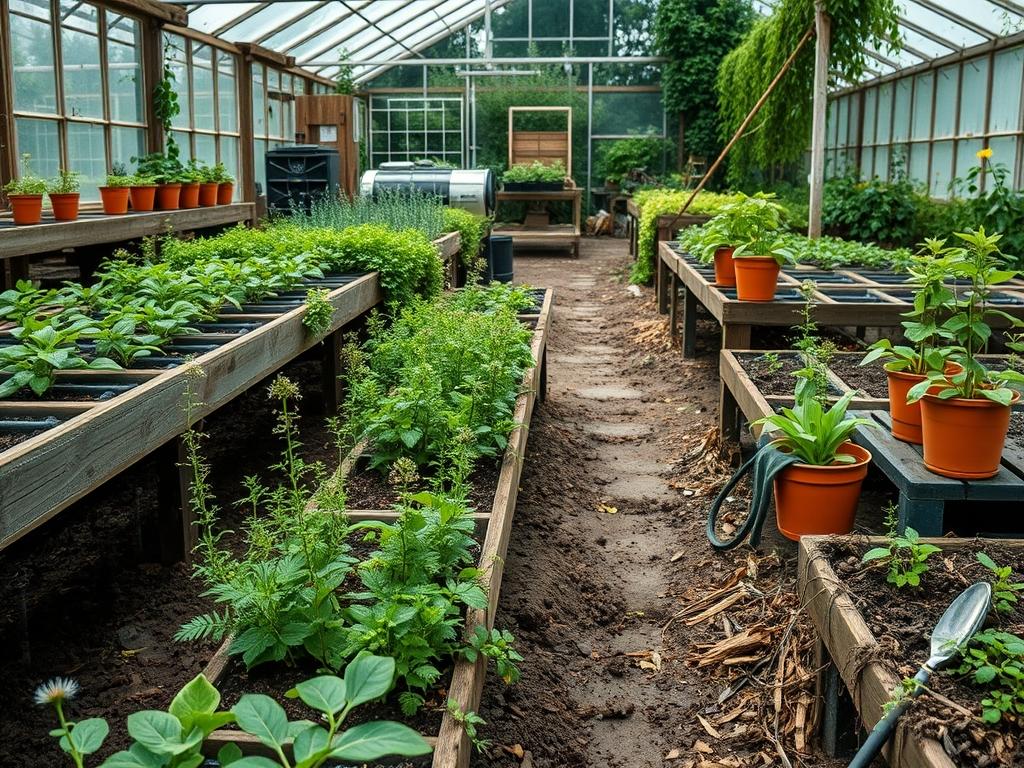
Integrating functional, wild-harvested botanicals into a residential landscape requires a sophisticated balance between aesthetic structure and ecological health. When a homeowner decides to incorporate Mugwort or Artemisia vulgaris into their outdoor living space, the primary challenge involves managing its vigorous growth while ensuring the harvest remains uncontaminated. This perennial herb is prized for its aromatic and medicinal properties, yet its inclusion in a formal garden design demands careful site planning to avoid the appearance of a neglected weed patch. A successful landscape architect views this not just as a planting exercise, but as a project in soil health, spatial hierarchy, and long-term maintenance. High curb appeal is maintained by framing these wilder elements with crisp stone edging and structured perennials, ensuring the foraging zone feels intentional rather than accidental.
Location is the most critical factor when considering the best methods for picking fresh mugwort safely. In an urban or suburban landscape, soil quality is often compromised by historical construction debris or chemical runoff. To harvest safely, the transition from ornamental garden to functional foraging site must include a buffer zone. We place these plants at least 50 feet away from high-traffic roads or drive-ways to avoid lead and heavy metal accumulation from exhaust. Furthermore, the topography must be graded to ensure that runoff from chemically treated lawns does not flow toward the medicinal beds. By utilizing a raised garden bed or an elevated terrace, we can control the soil composition precisely, using a mix of loam, sand, and organic compost to provide a clean growing medium.
Landscape Design Principles
Effective landscape design relies on the core principles of symmetry and focal points to guide the eye and define the purpose of a space. When designing a garden intended for harvesting, symmetry provides the necessary “clutter control” that wild-harvested plants often lack. We frame the Artemisia with rigid structures, such as a boxwood hedge or a low stone wall, to create a clear boundary between the wild texture of the herb and the groomed lawn. This visual tension creates interest and defines the foraging area as a professional-grade medicinal garden rather than a neglected corner of the property.
Elevation layers are equally vital for both aesthetics and ergonomics. Placing the tall, silvery-green stalks of Mugwort in the background or at the center of a circular island bed allows it to act as a vertical focal point. We layer the height by placing shorter, colorful groundcovers like Creeping Thyme or Sedum at the feet of the taller herbs. This creates a full, lush appearance that hides the leggy base of the taller plants. Additionally, the inclusion of decomposed granite walkways or flagstone paths ensures that the harvester can reach the center of the planting bed without compacting the soil. Compaction is the enemy of root health and can lead to poor drainage, which eventually stresses the plant and reduces the quality of the harvest.
Plant and Material Selection
Selecting the right cultivars and companion materials is essential for a sustainable garden. The following table outlines the requirements for a diverse, herb-focused landscape that balances aesthetics with functional harvest goals.
| Plant Type | Sun Exposure | Soil Needs | Water Demand | Growth Speed | Maintenance Level |
| :— | :— | :— | :— | :— | :— |
| Mugwort | Full Sun | Well-Drained/Poor | Low | Fast | High |
| Lavender | Full Sun | Sandy/Alkaline | Very Low | Moderate | Moderate |
| Salvia | Full Sun | Loamy | Moderate | Fast | Low |
| Boxwood | Partial Shade | Moist/Well-Drained | Moderate | Slow | Moderate |
| Russian Sage | Full Sun | Dry/Rocky | Low | Fast | Low |
For the hardscaping, we recommend untreated cedar for raised beds or natural fieldstone for retaining walls. Avoiding pressure-treated lumber is a requirement for any site where the plants will be consumed, as chemicals from the wood can leach into the rooting zone. For mulch, a hardwood bark mulch or pine straw is preferred over dyed varieties to maintain a clean chemical profile for the foliage.
Implementation Strategy
The implementation of a professional foraging landscape begins with precise grading and site preparation. We start by stripping the existing turf and testing the soil for contaminants. If heavy metals are present, we switch to a container-based design or a raised bed system with a physical barrier at the bottom to prevent root penetration into the native subsoil. Once the layout is marked with landscape stakes and string lines, we install the irrigation system. Drip irrigation is the gold standard here; it delivers water directly to the root zone, keeping the foliage dry. This is a critical step for picking fresh mugwort safely because wet leaves are prone to fungal growth and powdery mildew, which can ruin a harvest.
After the irrigation is set, we install HDPE root barriers around the perimeter of the Artemisia zone. Because this species spreads via aggressive rhizomes, containing it is the only way to prevent it from outcompeting other ornamental plants. We then apply a 3 inch layer of natural mulch to suppress weeds and regulate soil temperature. When the plants reach maturity, the harvest process involves using sharp bypass pruners to cut the top one third of the plant. This promotes a bushier growth habit and prevents the plant from getting too top-heavy and flopping over, which ruins the visual symmetry of the landscape.
Common Landscaping Failures
The most frequent mistake in herb-centric landscaping is poor drainage planning. Mugwort is resilient, but it will suffer from root rot if left in standing water. Choosing a flat site without addressing the exit path for water often leads to a stagnant garden. We solve this by introducing a French drain or a slight 2 percent grade away from the planting beds. Another common failure is improper spacing. Homeowners often plant for immediate fullness, but within two seasons, the plants become overcrowded. This lack of airflow encourages pests like aphid colonies to thrive in the dense center of the plant.
Soil compaction is another silent killer of landscape functionality. If the design does not include dedicated walkways, people will step into the beds to harvest, crushing the soil structure and reducing oxygen availability to the roots. Finally, many fail to account for the seed dispersal of Artemisia. If the flowers are not harvested or deadheaded before they go to seed, the plant will escape the garden and colonize the neighbor’s property, creating a maintenance nightmare and damaging the homeowner’s relationship with the local ecosystem.
Seasonal Maintenance
Spring is the season for structural assessment and soil preparation. As the first shoots of Mugwort appear, we apply a light dressing of organic compost and check the line trimmers and pruning shears for sharpness. This is the time to remove any winter debris and ensure the drainage grates are clear of sediment. As the weather warms, we monitor the growth rate to ensure the plants do not overwhelm their designated boundaries.
In the summer, the focus shifts to the harvest and irrigation. The best methods for picking fresh mugwort safely involve harvesting in the early morning, just after the dew has evaporated but before the midday sun stresses the essential oils in the leaves. We use stainless steel garden scissors to make clean cuts. Autumn is reserved for cutting back the spent stalks and reinforcing the mulch layer to protect the crowns from the coming freeze. During the winter, we focus on hardscape maintenance, checking retaining walls for frost heave and planning any schematic changes for the following year.
Professional Landscaping FAQ
How do I identify Mugwort versus lookalikes?
Check for a distinct silver, fuzzy underside on the leaves. The top should be dark green and hairless. When crushed, the foliage should emit a strong, sage-like aroma. Avoid any plants that lack the silver underside or the characteristic scent.
What is the safest distance from a road to pick?
Maintain a minimum distance of 50 feet from any paved road. This reduces the risk of harvesting plants contaminated by tire dust, heavy metals, and petrochemical runoff. For high-traffic highways, increase this buffer zone to 100 feet for maximum safety.
Can I grow Mugwort in a small backyard?
Yes, but you must use root barriers or large terracotta pots to prevent it from spreading. Its rhizomatous nature allows it to take over a small yard quickly. Containment ensures you can enjoy the plant without it becoming a nuisance.
When is the best time of day to harvest?
Harvesting should occur in the morning after the dew has dried. This ensures the leaves are hydrated but the surface is dry, which prevents mold during the drying process. Avoid harvesting in the heat of the afternoon when oils are diminished.
How do I clean the harvest before use?
Shake the stalks vigorously outdoors to remove insects. Rinse the foliage briefly in a basin of cool, filtered water and pat dry with lint-free towels. Ensure the plant is completely dry before hanging it in a well-ventilated, shaded area for curing.