
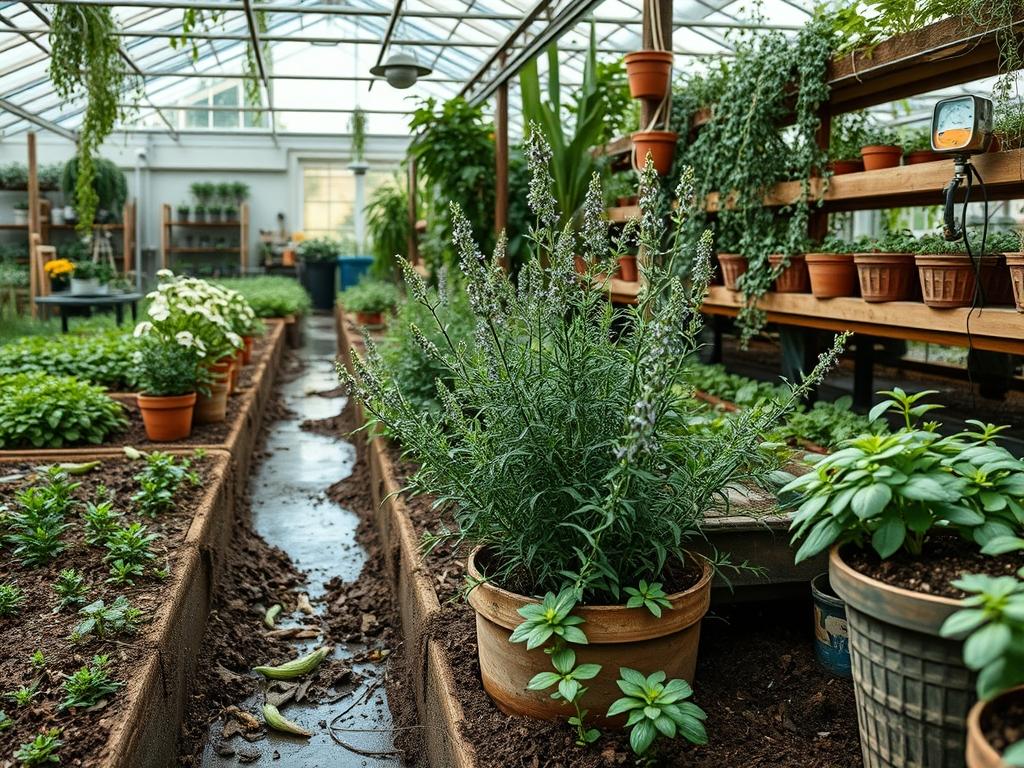
Designing an outdoor space that appeals to all senses requires more than just visual symmetry; it demands a deep understanding of botanical utility and structural form. Hyssopus officinalis, more commonly known as garden hyssop, serves as a cornerstone for architects seeking to blend structural integrity with an evocative olfactory experience. When we evaluate curb appeal, we often focus on the height of the canopy or the vibrant color of the blooms. However, the most successful landscape designs integrate functional harvesting opportunities into the long term maintenance plan. Harvesting garden hyssop is not merely a task for the pantry; it is a critical pruning technique that ensures the plant maintains its woody base and upright growth pattern throughout the season. In professional landscape planning, we must consider the microclimate and drainage specifications required to sustain these aromatic sub shrubs. A well placed cluster of hyssop can transform a sterile walkway into a sensory journey, provided the soil is graded correctly and the specimens are spaced to allow for maximum airflow and sun exposure.
The landscaping challenge often lies in the transition between rigid hardscaping and the wilder elements of a perennial border. Hyssop provides a bridge between these two worlds. Its woody stems offer a semi evergreen presence that holds up during the leaner months of winter, while its intense summer fragrance adds value to outdoor living areas like patios and decks. Because this plant thrives in arid to moderate conditions, it is an ideal candidate for xeriscaping or Mediterranean style gardens where water conservation is a priority. Achieving the goal of a high performance landscape involves more than just planting; it requires a strategy for the harvest that promotes plant health, prevents leggy growth, and maximizes the fragrance that defines the space.
Landscape Design Principles
In the realm of professional landscape architecture, the placement of aromatic plants must be intentional. Symmetry is often used to frame a doorway or an entrance, and hyssop is a perfect candidate for this application. By planting hyssop in mirrored beds on either side of a stone walkway, you create a formal look that softens as the plant reaches its full 2 foot height. This symmetry provides a sense of order and calm, guiding the eye toward the architectural focal points of the home.
Focal points are not limited to statues or fountains. A massive, healthy drift of hyssop can serve as a biological focal point, especially when it is in full bloom and buzzing with pollinators. To achieve this, we look at elevation layers. Hyssop occupies the mid tier of a garden bed. It should be placed behind low-growing groundcovers like creeping thyme but in front of taller structural elements such as boxwood hedges or upright junipers. This layering creates a sense of depth and prevents the landscape from appearing flat or two dimensional.
Visual balance is further achieved through the repetition of texture. The fine, needle-like foliage of hyssop contrasts beautifully with the broad leaves of hostas or the smooth surfaces of slate pavers. We also factor in irrigation planning during the design phase. Since hyssop requires excellent drainage, it is often placed on slight slopes or in raised beds constructed with retaining wall blocks. Proper irrigation through a drip system ensures that water reaches the roots without soaking the foliage, which is essential for maintaining the clarity of the fragrance and the health of the leaves for eventually harvesting garden hyssop.
Plant and Material Selection
Selecting the right companions and materials is vital for a cohesive outdoor environment. The following table outlines the specifications for plants that pair well with hyssop in a professional landscape.
| Plant Type | Sun Exposure | Soil Needs | Water Demand | Growth Speed | Maintenance Level |
| :— | :— | :— | :— | :— | :— |
| Hyssop | Full Sun | Well-Drained | Low | Moderate | Medium |
| Lavender | Full Sun | Sandy/Gravelly | Low | Slow | High |
| Russian Sage | Full Sun | Poor/Dry | Low | Fast | Low |
| Rosemary | Full Sun | Loamy/Dry | Low | Moderate | Medium |
| Blue Oat Grass | Full Sun | Well-Drained | Low | Moderate | Low |
| Purple Coneflower | Full/Partial | Rich/Loamy | Moderate | Fast | Medium |
For materials, we recommend using decomposed granite or pea gravel as a mulch around the base of hyssop. These inorganic mulches reflect heat back into the plant and prevent moisture from sitting against the crown, which can lead to fungal issues.
Implementation Strategy
The implementation of a professional grade garden begins with site preparation. Before the first plant goes into the ground, grading must be addressed. Ensure that the soil slopes away from the home at a rate of at least 2 percent to prevent water pooling. If the natural soil is heavy clay, it must be amended with organic compost and coarse sand to a depth of 12 inches.
When laying out the garden, use a marking paint to outline the edges of your beds. For a formal hyssop hedge, space the individual plants 12 inches to 18 inches apart, measuring from the center of each root ball. This spacing allows the plants to grow into a seamless line while still providing enough circulation to prevent powdery mildew.
Edging is a detail that separates amateur gardens from professional landscapes. Use steel edging or poured concrete curbs to create a sharp, clean line between the lawn and the hyssop beds. Once the plants are installed, apply a 2 inch layer of mulch. If you choose an organic mulch, ensure it is a high quality shredded hardwood that will not wash away during heavy rains.
Hardscaping elements, such as benches or garden paths, should be installed prior to planting. This prevents soil compaction around the delicate root systems of the new hyssop. When the landscape is set, the process of harvesting garden hyssop becomes a part of the weekly maintenance routine. Using a sharp bypass pruner, the gardener can take selective cuttings from the top 6 inches of the plant, which encourages a bushier habit and provides a steady supply of fragrant material for indoor use.
Common Landscaping Failures
The most frequent mistake in managing these aromatic plants is improper drainage. Hyssop cannot tolerate “wet feet.” If the roots sit in saturated soil for more than a few hours, the plant will likely succumb to root rot. This failure is usually the result of poor grading or the lack of a proper drainage pipe system in low-lying areas of the yard.
Another common issue is root overcrowding. While we want a full look, planting too many specimens in a small area leads to competition for nutrients and poor air circulation. This lack of airflow traps humidity around the leaves, which degrades the essential oils and makes harvesting garden hyssop less rewarding.
Soil compaction is a silent killer in many urban landscapes. When heavy machinery or frequent foot traffic compresses the soil, the tiny air pockets required for root respiration disappear. We prevent this by clearly defining walkways and path systems using flagstone or pavers to keep weight off the planting zones. Finally, irrigation inefficiencies, such as over-watering through traditional oscillating sprinklers, can lead to leaf spotting and a weakened fragrance profile.
Seasonal Maintenance
Seasonal care is what keeps a landscape looking pristine year round. In the spring, maintenance begins with a heavy pruning. Cut back the woody stems by about one third of their height to stimulate new, flexible growth. This is also the time to apply a balanced slow release fertilizer to kickstart the blooming cycle.
During the summer, the focus shifts to harvesting garden hyssop and monitoring water levels. The best time for a major harvest is right as the flowers begin to open. This is when the volatile oils are at their peak. It is best to perform this task in the early morning after the dew has evaporated but before the sun is at its zenith.
Autumn requires a shift in strategy. Stop harvesting and pruning about six weeks before the first expected frost. This allow the plant to harden off and protects the crown from cold damage. Clear away any fallen leaves or debris from the base of the plants to prevent pests from overwintering in the mulch.
In the winter, hyssop should be left mostly alone. The dried seed heads provide visual interest and food for local songbirds. If you live in a particularly harsh climate, a light covering of evergreen boughs can provide enough insulation to protect the roots from the freeze and thaw cycles that can heave plants out of the ground.
Professional Landscaping FAQ
What is the best time for harvesting garden hyssop?
Harvest in the early morning after dew dries but before the midday heat. Aim for the period just as the flower spikes begin to show color. This timing ensures the highest concentration of essential oils for fragrance and medicinal use.
How do I prevent my hyssop from becoming too woody?
Annual pruning is essential. In early spring, use shrub shears to cut the plant back by a few inches, leaving some green growth. Regular harvesting during the summer also acts as a soft prune, encouraging the plant to stay compact.
Can hyssop survive in heavy clay soil?
It will struggle without intervention. To succeed, you must incorporate expanded shale or gravel into the planting hole to improve aeration. Alternatively, install hyssop in a raised planter or a mounded berm to ensure gravity pulls water away from the roots.
How much sun does hyssop need for maximum fragrance?
Hyssop requires at least six to eight hours of direct sunlight daily. In shaded areas, the plant will grow leggy, produce fewer flowers, and contain significantly less essential oil, which results in a much weaker fragrance during the harvesting process.
Is hyssop invasive in a managed landscape?
Hyssop can self seed in ideal conditions, but it is rarely considered invasive. To prevent unwanted spreading, harvest the flower spikes before they go to seed. This keeps the garden tidy and focuses the plant’s energy on foliage and root development.