
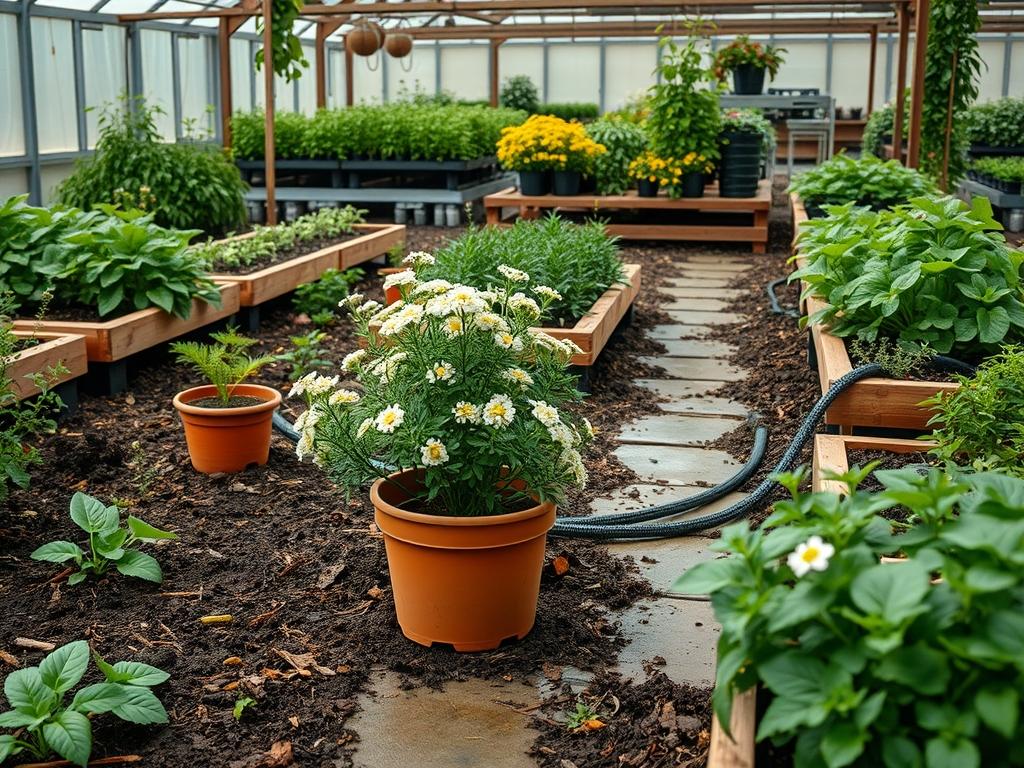
Integrating medicinal perennials into a residential landscape requires a delicate balance between aesthetic architectural standards and the practical requirements of the plants themselves. When we approach a site with the intent of incorporating species like Tanacetum parthenium, commonly known as feverfew, we are looking at more than just a decorative filler. This plant serves as a structural flowering herb that bridges the gap between formal garden borders and wilder, native meadow designs. The challenge for many homeowners lies in maintaining the crispness of the landscape while ensuring the health of the plant for the specific purpose of picking fresh feverfew at the height of its potency. A well-executed garden plan considers the lifecycle of the plant from its initial spring growth to its midsummer bloom, ensuring that the act of harvesting does not leave unsightly gaps in the visual composition of the property. Landscape functionality is maximized when the garden serves a dual purpose: providing high-impact curb appeal and offering a sustainable source of botanical materials.
Proper landscape planning starts with an assessment of the microclimates within your yard. Feverfew thrives in areas that receive full sun but can tolerate the slightest afternoon shade in hotter regions. From an environmental consultant standpoint, the goal is to place these plants where they can receive at least six to eight hours of direct sunlight. This ensures that the essential oils within the leaves and flowers reach their peak concentration. Furthermore, the elevation of your planting beds plays a critical role in the success of your harvest. By utilizing raised beds or subtle mounding techniques, you can improve soil drainage, which is a non-negotiable requirement for this species. When we design for picking fresh feverfew, we look at accessibility. You want to be able to reach the center of the plant without compacting the surrounding soil or trampling lower-profile groundcovers. Therefore, the architectural layout must include dedicated pathways or stepping stones that allow for easy maintenance and harvesting throughout the growing season.
Landscape Design Principles
Successful garden design relies on several core tenants that transform a random collection of plants into a cohesive outdoor environment. Symmetry and rhythm are the first considerations. If you are using feverfew in a formal layout, consider planting them in staggered rows or mirrored clusters along a central walkway. This creates a rhythmic visual flow that guides the eye toward a focal point, such as a stone fountain or a high-end sculptural piece. The white, daisy-like blossoms of feverfew act as a neutralizer in the garden, softening the bold colors of companion plants like purple coneflower or blue salvia.
Elevation layers are equally important. In a professional landscape, we categorize plants by their mature height to avoid visual clutter. Feverfew typically reaches a height of 12 to 24 inches, placing it firmly in the middle layer of a perennial border. We place taller structural shrubs or ornamental grasses behind it and lower-growing succulents or creeping thymes in front. This creates a tiered effect that mimics natural growth patterns while maintaining structural integrity. Irrigation planning must also be integrated into the design phase. A drip irrigation system is far superior to overhead sprinklers for these plants. Keeping the foliage dry reduces the risk of fungal pathogens, which is vital if the goal is picking fresh feverfew for drying and storage. Finally, visual balance is achieved by contrasting the fine, feathery texture of the feverfew leaves against broader leaves or hardscaping elements like granite retaining walls.
Plant and Material Selection
The following table outlines the technical specifications for a successful landscape installation featuring feverfew and its most common companion species.
| Plant Type | Sun Exposure | Soil Needs | Water Demand | Growth Speed | Maintenance Level |
| :— | :— | :— | :— | :— | :— |
| Feverfew | Full Sun | Well-drained Loam | Low to Medium | Fast | Moderate |
| Lavender | Full Sun | Sandy/Alkaline | Low | Moderate | Low |
| Boxwood | Partial to Full | Well-drained | Medium | Slow | Medium |
| Sage | Full Sun | Gritty/Dry | Low | Fast | Low |
| Yarrow | Full Sun | Any/Poor Soil | Very Low | Fast | Low |
Implementation Strategy
The implementation of a professional-grade herb garden begins with a thorough site inventory. You must test the soil pH; feverfew prefers a neutral range between 6.0 and 7.2. If your soil is heavy clay, you must amend the area with organic compost and coarse sand to increase porosity. Grading is the next step. Ensure the ground slopes away from any permanent structures at a rate of at least two percent to prevent water from pooling near the foundations or the root zones of your plants.
Once the grading is complete, lay out your hardscaping elements, such as flagstone paths or poured concrete edging. Edging is vital for preventing invasive turf grass from creeping into your feverfew beds. For the planting process, space your Feverfew starts approximately 12 to 18 inches apart. This spacing allows for adequate airflow, which is the best defense against powdery mildew. After planting, apply a two-inch layer of cedar mulch or shredded hardwood mulch around the base of the plants, ensuring the mulch does not directly touch the stems. This layer suppresses weeds and regulates soil temperature. For those focused on picking fresh feverfew, installing a low-voltage lighting system along the garden paths can allow for evening harvests when the temperatures are cooler and the plants are less stressed.
Common Landscaping Failures
One of the most frequent mistakes I see in residential landscapes is root overcrowding. Homeowners often plant for immediate fullness rather than the mature size of the plant. This leads to a lack of air circulation, which can cause the interior of the feverfew bush to rot. Another significant failure is improper drainage. If the soil remains saturated for more than a few hours after a heavy rain, the roots will suffer from hypoxia. This leads to yellowing leaves and a lack of flower production, making the process of picking fresh feverfew nearly impossible.
Soil compaction is another silent killer of garden health. If you do not provide dedicated walkways, the weight of a person walking through the beds crushes the soil structure, eliminating the air pockets necessary for root respiration. Additionally, irrigation inefficiencies are common. Many systems are set to a “one size fits all” timer, but different zones in your landscape have different needs. Overwatering feverfew not only dilutes the beneficial compounds within the plant but can also lead to root rot. Lastly, failing to account for the self-seeding nature of feverfew can lead to a messy, unkempt appearance. While a few volunteers might be welcome, an unchecked spread will disrupt the architectural balance of your design.
Seasonal Maintenance
Maintenance is a year-round commitment that changes with the cycles of the environment. In the spring, the focus should be on cleaning up winter debris and applying a fresh, light application of balanced organic fertilizer. This is also the time to divide older plants to maintain their vigor. As we transition into summer, the primary task is monitoring for pests and preparing for harvest. The best time for picking fresh feverfew is when the flower heads are mostly open but before they start to turn brown. Use sharp bypass pruners to cut the stems in the early morning after the dew has evaporated but before the sun is at its peak.
In the autumn, you should cut back the spent flower stalks to encourage a possible second flush of foliage and to keep the plants looking tidy. This is the time to replenish mulch layers that have decomposed over the summer. During the winter, feverfew in many climates will stay evergreen or semi-evergreen. However, in regions with heavy snow, you may need to provide some structural protection or simply allow the plants to go dormant. Checking the integrity of your retaining walls and drainage swales during the winter ensures that the garden is ready for the spring surge. By following this professional maintenance schedule, your landscape will remain a functional, beautiful asset to your home for years to come.
Professional Landscaping FAQ
How do I ensure the highest quality when picking fresh feverfew?
Harvest during the early morning hours when the plant’s moisture content is balanced. Select stems where the flowers are fully open but the centers remain tight. Use sterilized cutting tools to prevent the spread of soil-borne pathogens between plants.
What is the best way to dry feverfew for long-term use?
Bundle the stems with twine and hang them upside down in a dark, well-ventilated area. Avoid direct sunlight during the drying process, as UV rays can degrade the essential oils. Ensure the area remains dry to prevent mold growth.
Can feverfew be grown in containers as part of a patio design?
Yes, feverfew performs exceptionally well in terracotta pots or stone planters. Ensure the containers have adequate drainage holes and use a high-quality soilless potting mix to facilitate optimal drainage and aeration for the root system.
How often should I replace my feverfew plants?
Feverfew is a short-lived perennial that often loses vigor after three or four years. To maintain the structural integrity of your landscape, plan to replace or divide the plants every few seasons to ensure healthy growth and consistent flower production.
Will feverfew attract beneficial insects to my garden?
The flowers of the feverfew plant are excellent at attracting pollinators and predatory insects like hoverflies. This makes it a functional addition to an integrated pest management strategy, as it helps protect more sensitive plants in your landscape design.