
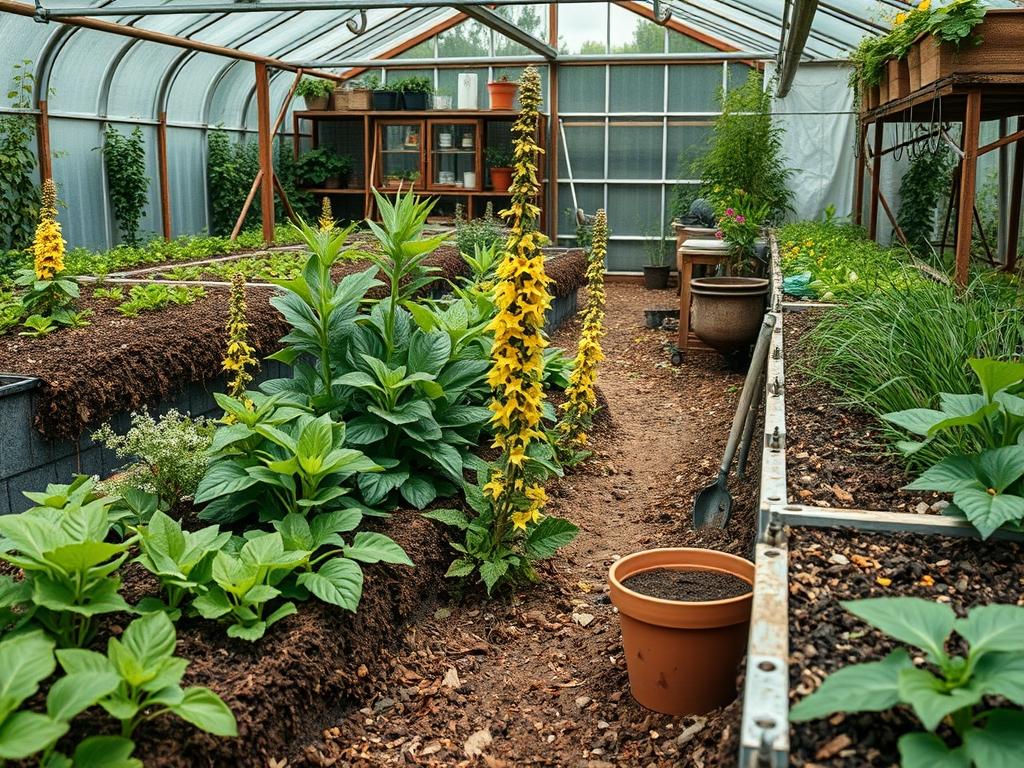
Integrating vertical structure into a suburban or rural landscape requires a keen eye for architectural height balanced against ground-level textures. Verbascum thapsus, or common mullein, serves as an exceptional tool for the landscape architect seeking to add dramatic focal points without the permanence or high water requirements of woody shrubs. While many view this biennial as a rural wildling, its silver, velvety rosettes and towering flower spikes provide a structural rhythm that defines garden borders and xeriscaped beds. Harvesting garden mullein becomes part of the maintenance cycle, ensuring the plant serves its aesthetic purpose while providing high-quality botanical yields for the homeowner. Success begins with understanding that mullein follows a two-year lifecycle, transitioning from a low-profile foliage cluster to a gold-tipped spire that can reach heights of over six feet.
Effective site planning for mullein entails careful consideration of drainage and elevation. These plants are built for poor, rocky soils where other species might fail, making them ideal for reclaiming difficult slopes or adding interest to gravel-heavy perimeters. From a curb appeal perspective, the large, woolly leaves offer a distinct contrast to the fine textures of ornamental grasses or the glossy foliage of traditional perennials. Because the plant is a biennial, the landscape designer must plan for a staggered planting schedule. This ensures that some plants are in their leafy rosette stage while others provide the verticality of the flowering stage, preventing a visual gap in the garden’s structural layer.
Landscape Design Principles
In the realm of landscape architecture, mullein acts as a living sculpture. Its primary role is often that of a focal point, drawing the eye upward and breaking the monotony of mid-level shrubs. Symmetry can be achieved by placing mullein at the corners of a formal courtyard or along a central axis in a cottage garden. However, it often shows its best character in asymmetrical drifts that mimic a natural meadow. When planning elevation layers, position mullein in the background or middle-ground of a border. In its first year, the rosette stays close to the ground, but in its second year, the sudden vertical ascent can overshadow smaller plants if they are positioned too closely behind it.
Visual balance is maintained through the use of complementary textures. The soft, felt-like leaves of mullein pair beautifully with the hard edges of flagstone walkways or the jagged surfaces of retaining walls. Because mullein is highly drought-tolerant, it integrates perfectly into irrigation zones that favor low-water usage. Irrigation planning should focus on deep, infrequent watering during the establishment phase, transitioning to almost no supplemental water once the taproot has penetrated the subsoil. This deep-rooting habit also makes mullein an excellent choice for stabilizing soil on gentle grades where erosion might otherwise be a concern.
Plant and Material Selection
Selecting the right companions is vital for a cohesive outdoor environment. This table outlines several species that harmonize with garden mullein in terms of cultural needs and aesthetic appeal.
| Plant Type | Sun Exposure | Soil Needs | Water Demand | Growth Speed | Maintenance Level |
| :— | :— | :— | :— | :— | :— |
| Common Mullein | Full Sun | Well-drained, Poor | Very Low | Fast | Low |
| Lavender | Full Sun | Sandy, Alkaline | Low | Moderate | Medium |
| Russian Sage | Full Sun | Dry, Chalky | Low | Fast | Low |
| Blue Oat Grass | Full Sun | Well-drained | Low | Moderate | Low |
| Purple Coneflower | Full or Part | Loamy, Well-drained | Moderate | Fast | Moderate |
| Globe Thistle | Full Sun | Poor to Average | Low | Fast | Low |
Implementation Strategy
The installation of a mullein-focused landscape begins with site grading. Proper drainage is the single most important factor for the health of the plant. If the site consists of heavy clay, the soil must be amended with coarse sand or pea gravel to prevent root rot. Start by laying out the garden bed with flexible landscape edging to define the transition between the turf and the planting zone. Grading should be slightly sloped away from any hardscaping or foundations to ensure runoff does not pool around the base of the rosettes.
Once the grade is set, space your mullein starts at least 24 to 36 inches apart. This spacing allows the large first-year leaves to spread fully without overlapping and trapping moisture, which can lead to fungal issues. Apply a 2-inch layer of light mulch, such as straw or pine bark, but keep the mulch several inches away from the crown of the plant. For a professional finish, incorporate natural stone boulders or ledgerock around the base of the taller second-year plants to provide a sense of permanence and to anchor the verticality of the flower spikes.
Common Landscaping Failures
The most frequent error in harvesting garden mullein for both aesthetic and botanical use is improper irrigation management. Over-irrigation, particularly in the evening, creates a humid microclimate within the dense, fuzzy leaves. This leads to powdery mildew and crown rot, which can kill the plant before it reaches its flowering stage. Another common failure is soil compaction. Mullein relies on a long, sturdy taproot to access deep water reserves and anchor its tall stalk. If the soil is too compacted by foot traffic or heavy machinery during construction, the taproot may become stunted, leading to a weak stalk that topples in high winds.
Root overcrowding is also a concern. While it may be tempting to plant mullein close together for an instant wall of green, the lack of airflow will decrease the quality of the leaves and flowers. For those interested in harvesting garden mullein, overcrowded plants produce smaller, less potent leaves. Finally, ignoring the biennial nature of the plant can lead to a “patchy” landscape. If you do not allow some plants to go to seed or if you do not introduce new rosettes each spring, you will eventually have a landscape with no mullein at all once the original generation dies back.
Seasonal Maintenance
Spring maintenance involves cleaning the debris from around the base of the first-year rosettes and checking for proper drainage as the winter snow melts or spring rains begin. This is the ideal time to harvest the outer, younger leaves for botanical use; however, never remove more than a third of the foliage, as the plant needs this energy to build its root system. Ensure that the soil is not overly saturated before the heat of summer arrives.
In the summer, the focus shifts to the second-year plants. As the flower spikes emerge, keep an eye on the verticality. In windy corridors, you may need to use bamboo stakes or discreet garden ties to prevent the stalks from leaning. This is the peak window for harvesting garden mullein flowers. The yellow blossoms should be picked individually as they open, usually starting from the bottom of the spike and moving upward. Harvesting should be done in the morning after the dew has evaporated but before the intense midday sun wilts the blooms.
Autumn is the season for seed management and soil preparation. If you do not want the plant to self-seed aggressively, remove the stalks before the seed pods turn brown and open. However, leaving a few stalks can provide architectural interest during the winter months when they act as frosted spires in the snow. Winter maintenance is minimal; simply ensure that no heavy mulch or leaf litter is suffocating the green rosettes of the first-year plants. They need light and air even in the colder months to survive until their spring growth spurt.
Professional Landscaping FAQ
When is the best time for harvesting garden mullein leaves?
The highest quality leaves are harvested during the first year of the plant’s life or early in the second year before the flower stalk appears. Focus on clean, mid-sized leaves that are free of insect damage or soil staining.
Can mullein be used in formal landscape designs?
Yes, mullein provides a striking contemporary or formal accent when used in repeated, symmetrical patterns. Its tall, straight habit mimics the effect of topiary pillars or narrow evergreens but with a softer, more ethereal texture and distinct color palette.
What are the drainage requirements for a mullein bed?
Mullein requires extremely high permeability. If your soil is heavy or holds water, utilize raised beds or modify the elevation with a gravel sub-base. Standing water around the crown is the primary cause of plant death in traditional landscapes.
How do I prevent mullein from taking over my garden?
To control the spread, remove the flower stalks before the seeds mature in late summer. Since a single plant can produce thousands of seeds, deadheading is the most effective way to maintain the desired density in a planned landscape layout.
What tools are needed for harvesting and maintenance?
Maintain your landscape with bypass pruners for harvesting leaves and sturdy loppers for removing thick second-year stalks. Use a hand trowel for weeding around the rosettes to avoid damaging the shallow lateral roots that support the main taproot.