
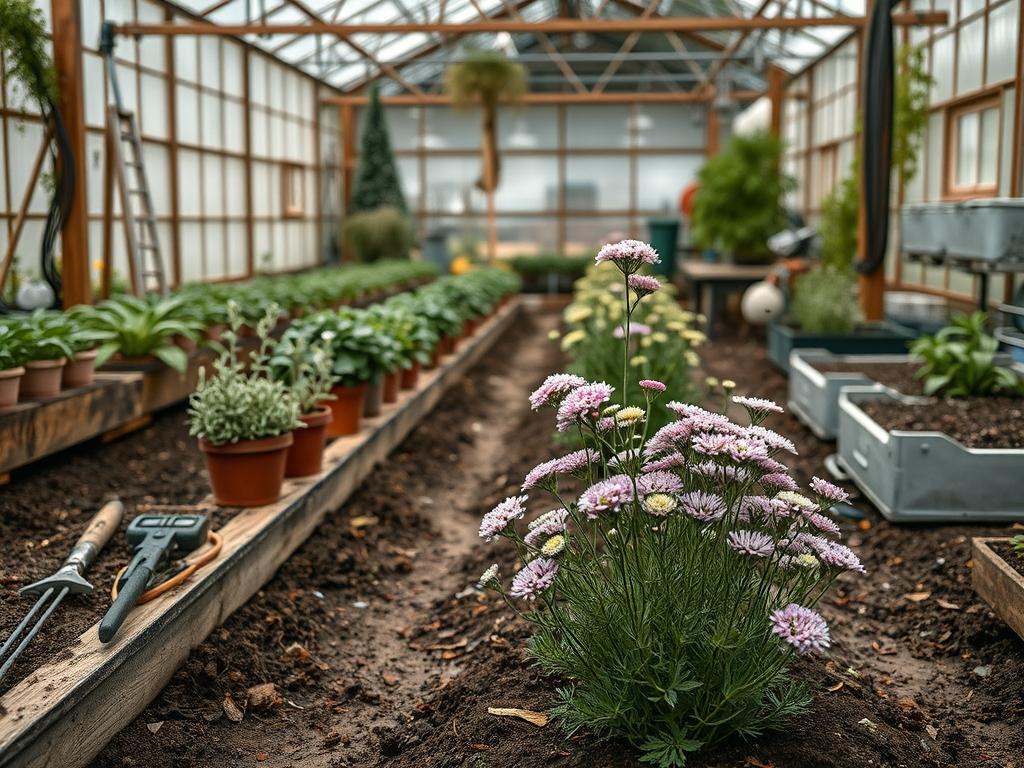
Integrating Achillea millefolium into a modern residential landscape requires a professional understanding of both aesthetic balance and functional utility. For many homeowners, the challenge lies in selecting a plant that offers high visual impact with low water requirements, while also serving a secondary purpose such as material for artisanal crafts. Yarrow is a quintessential choice for high performance landscapes because it bridges the gap between wild, native aesthetics and structured garden beds. From a curb appeal perspective, its feathery foliage provides a softened texture against hard surfaces like stone or concrete, making it an excellent bridge between architectural elements and the natural environment. To maximize the success of your outdoor environment, you must view the garden not just as a static picture, but as a living production site where harvesting garden yarrow becomes a seasonal ritual that maintains the health of the plant while providing raw materials for interior decor.
Achieving a professional finish in your landscaping project involves more than just scattering seeds; it requires a deep dive into soil chemistry, topography, and architectural flow. Because yarrow is a vigorous spreader, its placement must be deliberate to avoid it becoming an invasive nuisance in nutrient dense beds. As a landscape architect, I recommend using it in zones where you need quick coverage or where the soil quality might be too poor for more temperamental perennials. The goal is to create a sustainable ecosystem where the plants thrive with minimal intervention, allowing the homeowner to focus on the enjoyment of the space and the eventual harvest of the blooms.
Landscape Design Principles
Successful garden planning relies on the foundational concepts of symmetry and visual weight. When positioning plants intended for harvesting garden yarrow, consider using them as a mass planting to create a powerful focal point. Because of their flat topped flower clusters, they draw the eye horizontally, which can help elongate a small yard or soften the vertical lines of a tall fence. Elevation plays a critical role here; by utilizing retaining walls or raised beds, you can bring the yarrow closer to eye level. This makes the harvesting process easier on the back and emphasizes the intricate lace like texture of the leaves.
Layering is another essential principle. In a professional layout, we typically place taller structural shrubs in the back, followed by mid sized perennials like yarrow, and finished with low growing groundcovers at the front edge. Walkways should be designed to allow easy access for maintenance without compacting the soil near the root zones. By installing a path of flagstone or crushed slate, you create a clear boundary that prevents the yarrow from creeping into other sections of the garden. Visual balance is maintained by repeating the colors of your yarrow variety, whether they are vibrant reds or soft yellows, throughout different zones of the property to create a cohesive narrative.
Plant and Material Selection
Selecting the right cultivar significantly impacts both the landscape aesthetic and the quality of the dried crafts produced later. Some varieties hold their color much better than others when preserved. Below is a guide for selecting the best species for your specific site conditions.
| Plant Type | Sun Exposure | Soil Needs | Water Demand | Growth Speed | Maintenance Level |
| :— | :— | :— | :— | :— | :— |
| Achillea ‘Moonshine’ | Full Sun | Well-drained, lean | Low | Moderate | Low |
| Achillea ‘Paprika’ | Full Sun | Sandy or loamy | Low | Fast | Medium |
| Achillea ‘Vintage Violet’ | Full Sun/Part Shade | Any well-drained | Moderate | Moderate | Low |
| Achillea ‘Appleblossom’ | Full Sun | Poor to average | Low | Fast | Medium |
| Achillea ‘Coronation Gold’ | Full Sun | Dry, rocky | Very Low | Moderate | Low |
Implementation Strategy
The transition from a design on paper to a physical landscape requires a systematic implementation strategy. First, address the site grading. Yarrow is highly susceptible to root rot if water pools around its crown, so the ground must slope away from building foundations at a minimum of 2 percent grade. If your soil is heavy clay, you must amend it with 3 inches of coarse sand or fine gravel to improve internal drainage before planting.
Once the grading is complete, layout your beds using flexible steel edging or stone borders to establish clean lines. When planting, space your yarrow containers approximately 18 inches to 24 inches apart, measured from the center of each root ball. This allows for adequate airflow, which is the best defense against powdery mildew. After the plants are in the ground, apply a 2 inch layer of hardwood mulch or pine bark. Be careful not to pile mulch against the stems of the plants, as this traps moisture and encourages fungal pathogens. If you are installing an automated irrigation system, use drip emitters rather than overhead sprinklers to keep the foliage dry, which preserves the flower quality for your harvesting efforts.
Common Landscaping Failures
The most frequent mistake in managing yarrow is over fertilization. While it may seem counterintuitive, providing too many nutrients, especially nitrogen, causes the plant to become leggy and flop over under the weight of its own flowers. This ruins the visual structure of the landscape and makes harvesting garden yarrow for crafts difficult, as the stems become bent and weak. Soil compaction is another silent killer. If foot traffic is not restricted to designated walkways, the soil loses the pore space necessary for oxygen to reach the roots, leading to stunted growth.
Irrigation inefficiencies often plague novice gardeners. Many people treat yarrow like a traditional turf lawn, watering it every day. This creates a shallow root system and a plant that cannot survive a summer heatwave. Instead, aim for deep, infrequent watering cycles that encourage roots to seek moisture deep in the earth. Lastly, overcrowding is a major issue. Because yarrow spreads via rhizomes, it can quickly outcompete smaller neighbors. Without regular division every 3 years, the center of the clump will die out, leaving an unsightly brown hole in your beautiful landscape design.
Seasonal Maintenance
Spring is the time for renewal and structural assessment. As soon as the first green shoots appear, use a sharp spade to edge your beds and remove any runners that have strayed into the lawn. This is also the ideal window to divide older clumps to maintain their vigor. Apply a very light dusting of compost at this stage, but avoid high nitrogen synthetic fertilizers.
During the summer, your focus shifts to the peak of the bloom. This is the prime window for harvesting garden yarrow. For the best craft results, cut the stems in the morning after the dew has evaporated but before the heat of the day sets in. Use bypass pruners to cut the stem long, right down to the base of the plant. If you are not harvesting for crafts, you must deadhead the spent flowers to encourage a second flush of blooms in late summer.
Autumn maintenance involves preparing the plants for dormancy. You can leave the decorative seed heads for winter interest and to provide food for local songbirds, or you can cut the entire plant back to the basal foliage. Ensure that your drainage channels are clear of fallen leaves so that winter rains do not saturate the dormant crowns. In winter, the goal is simply protection. In colder climates, a light covering of evergreen boughs can prevent frost heaving, where the freezing and thawing of the soil pushes the roots out of the ground.
Professional Landscaping FAQ
How do I know when to begin harvesting garden yarrow?
The best time for harvest is when the individual tiny flowers in the cluster are fully open and the pollen is visible. If you harvest too early, the head will wilt; if too late, the color will fade significantly.
Does yarrow require a specific type of mulch?
Use a coarse, organic mulch like cedar chips or pine straw. These materials allow for excellent gas exchange and do not compact as easily as dyed wood mulches, which is critical for the drought tolerant root systems of yarrow.
Can I grow yarrow in a shaded backyard?
It is not recommended. Yarrow requires a minimum of 6 hours of direct sunlight to produce strong stems and vibrant colors. In shade, the plant will become spindly, prone to mildew, and will likely fail to flower adequately for crafting.
What is the best way to fix poor drainage in my garden?
The most effective professional solution is the installation of a French drain or a dry creek bed. Redirecting surface runoff away from your planting zones ensures that the yarrow roots remain oxygenated even during period of heavy seasonal rainfall.
Will harvesting the flowers hurt the plant?
Not at all. In fact, regular harvesting or deadheading stimulates the plant to put more energy into root development and subsequent flowering. It is a regenerative process that keeps the landscape looking fresh and prevents the plant from going to seed prematurely.