
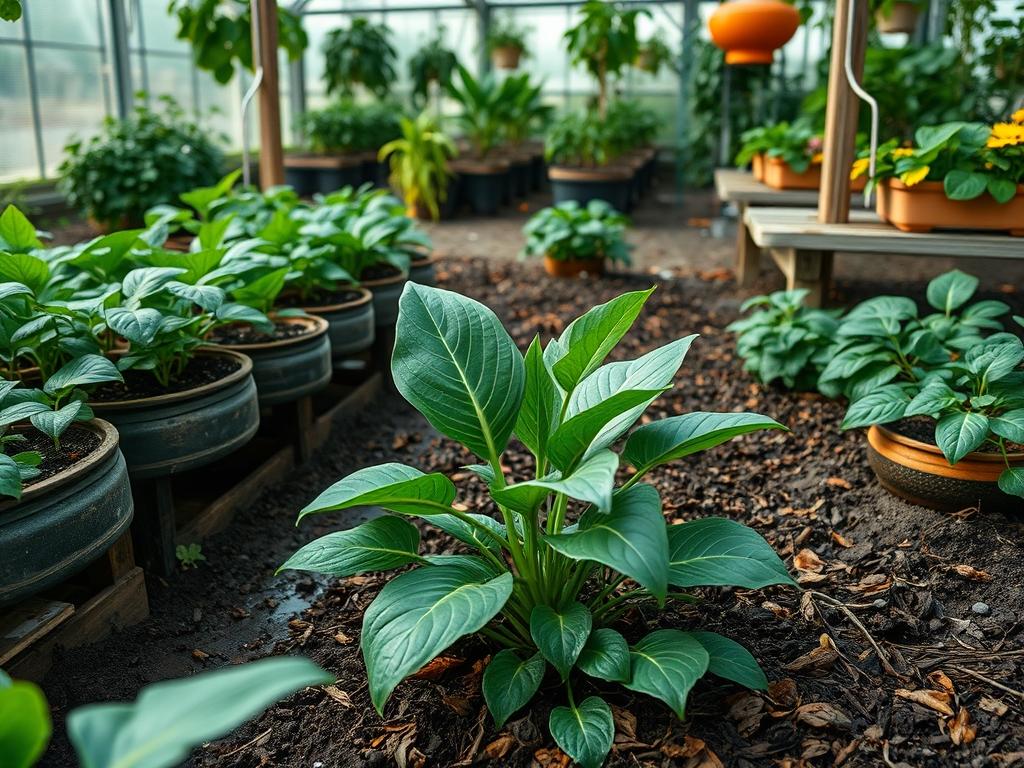
Integrating functional, native botanicals into a modern landscape design requires a shift in perspective from traditional manicured aesthetics to a more holistic, edible environment. Many homeowners struggle with maintaining a pristine lawn while desiring a garden that provides utility beyond mere visual appeal. The challenge lies in identifying which wild species offer medicinal or culinary value without compromising the curb appeal of the property. Broadleaf plantain, often dismissed as an invasive weed, is a primary example of a resilient groundcover that can be intentionally managed within a structured outdoor space. By understanding the climate considerations and soil health required for these hardy perennials, a landscape architect can transform a standard backyard into a multi-functional ecosystem. The goal is to balance the softscape elements with permanent hardscaping features to ensure the property remains organized while facilitating the process of Picking Fresh Plantain Leaf for home use.
Successful landscape design relies on foundational principles such as symmetry, focal points, and elevation layers to guide the eye and define the space. When integrating useful plants like Plantago major, these principles ensure the garden looks intentional rather than neglected. A focal point, perhaps a natural stone fountain or a large architectural planter, provides a sense of purpose to the surrounding greenery. Symmetry can be achieved by flanking a walkway with low-growing herbs and plantains, creating a structured border that feels both formal and productive. Elevation layers are equally important. By using tiered retaining walls, designers can separate aggressive groundcovers from delicate ornamentals. This vertical separation prevents the landscape from appearing cluttered and allows for easier access when navigating the garden for maintenance or harvesting.
Irrigation planning is another critical component of a functional landscape. While many native species are drought-tolerant, consistent moisture levels are necessary for producing high-quality foliage. A well-designed drip irrigation system ensures that water reaches the root zones efficiently, reducing runoff and evaporation. Walkways should be constructed from porous materials like decomposed granite or irregular flagstone to allow for natural drainage. This prevents water from pooling in low-lying areas, which can lead to root rot or soil compaction. Visual balance is maintained by mixing different leaf textures and colors. The broad, ribbed leaves of the plantain contrast beautifully with the fine needles of creeping juniper or the delicate blooms of lavender, creating a rich tapestry of colors that enhances the overall sensory experience of the outdoor living area.
Plant and Material Selection
| Plant Type | Sun Exposure | Soil Needs | Water Demand | Growth Speed | Maintenance Level |
| :— | :— | :— | :— | :— | :— |
| Plantago major | Full Sun to Shade | Compacted, Poor | Moderate | Fast | Low |
| Plantago lanceolata | Full Sun | Well-Drained | Low | Moderate | Low |
| White Clover | Full Sun to Part Shade | Neutral pH | Low | Fast | Minimal |
| Creeping Thyme | Full Sun | Sandy, Gritty | Very Low | Slow | Low |
| Yarrow | Full Sun | Lean, Dry | Low | Moderate | Medium |
| English Ivy | Part Shade to Shade | Moist, Rich | Moderate | Fast | High |
Implementation begins with a comprehensive site analysis. Before any soil is moved, the landscape architect must assess the grading of the lot to ensure proper drainage away from the home foundation. A slope of at least 2 percent is generally recommended for suburban lots. Once the grade is established, the layout of beds and paths is marked using landscape marking paint or grade stakes. Edging is a vital step in this process. Using heavy-duty steel edging or paver restraints prevents aggressive spreaders from creeping into high-maintenance floral zones.
When preparing the soil, it is essential to incorporate organic matter such as leaf mold or composted manure to a depth of 6 inches. This improves soil structure and provides the nutrients necessary for vibrant growth. For areas intended for Picking Fresh Plantain Leaf, avoiding synthetic pesticides and fertilizers is mandatory. Natural shredded cedar mulch should be applied at a depth of 3 inches to suppress unwanted weeds and retain moisture. The hardscaping, including retaining walls and patio pavers, should be installed prior to planting to avoid compacting the freshly prepared soil. Drainage solutions, such as French drains or dry creek beds, should be integrated into the design to handle heavy rainfall and prevent erosion.
Landscaping failures often stem from a lack of attention to site-specific conditions. One of the most common mistakes is ignoring drainage patterns, which leads to anaerobic soil conditions where only the hardiest, least desirable species survive. Root overcrowding occurs when plants are placed too close together without considering their mature spread. This results in poor air circulation and increased susceptibility to powdery mildew. Improper spacing also makes it difficult to navigate the garden for routine tasks. Soil compaction is another frequent issue, particularly in high-traffic areas. Using stepping stones or permeable pavers can mitigate this by distributing weight more evenly across the ground. Finally, irrigation inefficiencies, such as over-watering drought-tolerant species, can lead to shallow root systems and weakened plants that cannot survive extreme weather shifts.
Seasonal maintenance is the key to preserving the structural integrity and aesthetic value of the professional landscape. In the spring, the focus should be on cleaning up debris, pruning dead wood, and applying a fresh layer of organic mulch. This is the prime time for identifying and managing new growth. As the weather warms in the summer, monitoring the irrigation system for clogs or leaks becomes the priority. This is also the peak season for harvesting, where Picking Fresh Plantain Leaf can be done more frequently to encourage the plant to produce new, tender foliage.
During autumn, the gardener should prepare the landscape for dormancy. This includes cutting back perennials and planting spring-flowering bulbs. It is also a good time to aerate the lawn areas to combat the compaction that occurred during the summer months. Winter maintenance involves protecting sensitive species from frost using burlap wraps or frost blankets. Checking the integrity of hardscape elements, such as checking for cracks in concrete pavers or shifting in dry-stack stone walls, ensures that the structural bones of the garden remain intact for the following year. By adhering to a strict seasonal schedule, the landscape remains a thriving, productive environment that serves both the aesthetic and practical needs of the property owner.
Professional Landscaping FAQ
How do I identify the best plantain leaves for use?
Look for vibrant, green leaves without holes or yellowing. Picking Fresh Plantain Leaf is best done when the plant is young, as the texture is more tender. Ensure the area has not been treated with chemicals or frequented by pets.
What is the best way to control plantain spread?
Use physical edging made of steel or plastic to create a root barrier. Regular deadheading of the seed stalks before they turn brown and drop seeds will also significantly limit the plant’s ability to colonize other parts of the garden.
Can plantain thrive in heavy clay soils?
Yes, this species is known for its ability to grow in compacted, heavy clay where other plants struggle. Its strong taproot helps break up tough soil, which can actually improve the drainage and aeration of your garden beds over time.
What tools are needed for harvesting and maintenance?
A sharp pair of bypass pruners or garden snips is ideal for clean cuts. For removal or transplanting, a hori-hori knife or a standard trowel works best to extract the deep taproot without disturbing the surrounding soil or mulch.
How does plantain benefit a sustainable landscape design?
It acts as a resilient groundcover that prevents erosion and supports local pollinators. By integrating it into a “weed-friendly” lawn or a dedicated herbal border, you reduce the need for high-maintenance turf while increasing the overall biodiversity of your outdoor space.