
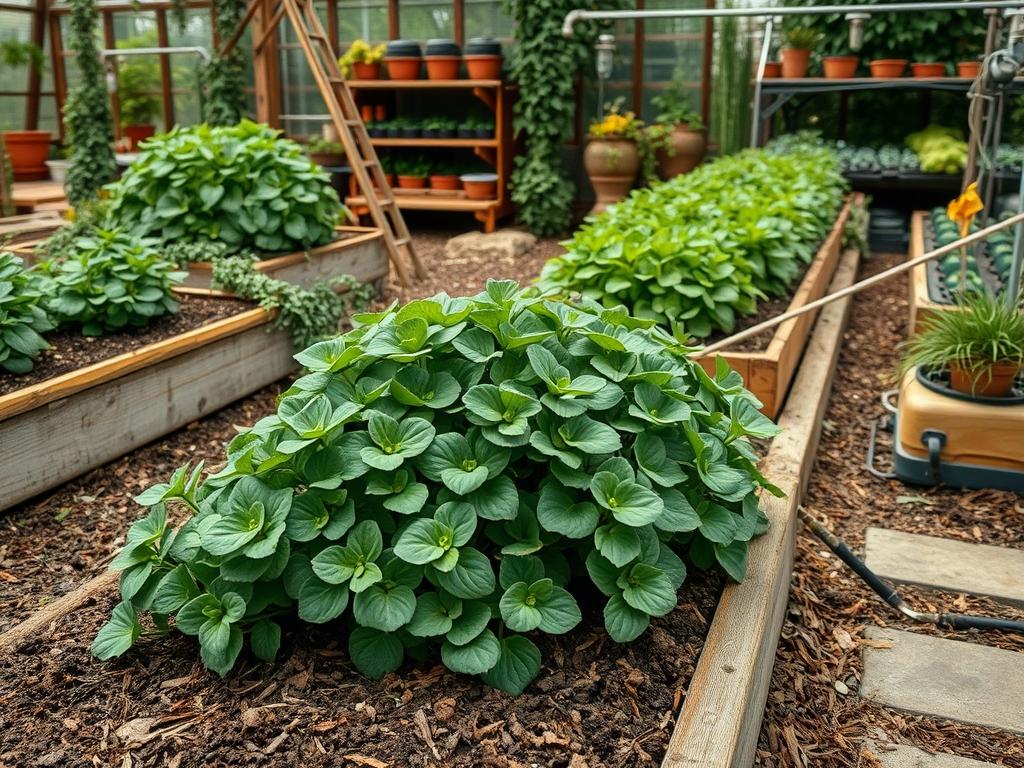
The integration of edible groundcovers into high end residential landscapes presents a unique set of challenges and opportunities for the modern homeowner. Historically, the pursuit of curb appeal has favored monoculture lawns and manicured shrubs, yet the shift toward functional ecology is changing the standard. Among the most versatile and resilient additions to a functional landscape is Portulaca oleracea, commonly known as purslane. While many traditional gardeners view this plant through a lens of eradication, a professional landscape architect views it as an asset for soil stabilization, moisture retention, and nutritional density. The challenge lies in transitioning a property from a purely aesthetic space to an edible ecosystem without sacrificing the structural integrity or the visual sophistication expected in professional design. By harvesting garden purslane, homeowners simultaneously manage growth and tap into one of the most nutrient dense greens available, boasting high levels of Omega-3 fatty acids, Vitamin A, and Vitamin C.
Effective garden planning requires a balance between environmental constraints and outdoor functionality. In regions with harsh sun and poor soil, maintaining a traditional lawn consumes excessive water and chemical fertilizers. Selecting drought tolerant, edible species reduces the carbon footprint of the home while providing a reliable source of fresh produce. Purslane thrives in the microclimates of the garden where other plants struggle, specifically in the heat reflected from Concrete walkways or between Flagstone pavers. When we design for harvesting garden purslane, we are essentially designing for resilience. This plant acts as a living mulch, cooling the earth and protecting the microbial life in the soil from solar radiation. The result is a landscape that feels lush and purposeful, where every square foot serves a dual role of beauty and sustenance.
Landscape Design Principles
To achieve a professional aesthetic when incorporating edible groundcovers, one must adhere to the core principles of symmetry and focal points. A garden that includes purslane should not look accidental; it must look intended. Using Steel edging or Belgian blocks to create crisp borders around a purslane patch signals to the viewer that the plant is a curated choice. Symmetry can be achieved by flanking a central walkway with mirrored beds of Purslane and Creeping Thyme, creating a low profile, tactile experience for visitors.
Elevation layers are equally critical in a well designed outdoor environment. We often utilize the thriller, filler, spiller method even in ground level beds. A tall focal point, such as a Cast stone birdbath or a Multi-trunk River Birch, acts as the thriller. Medium depth shrubs like Boxwoods serve as the structural framework. Purslane then serves as the perfect spiller, softening the edges of Retaining walls and filling the gaps in the lower elevation layers. This creates a visual balance that draws the eye downward, highlighting the intricate texture of the succulent leaves and the bright yellow blooms.
Walkway planning should incorporate the tactile benefits of the plants. Since purslane can withstand moderate foot traffic, it is an ideal candidate for placement in the joints of a Stepping stone path. As guests walk through the garden, the plant stays low to the ground, maintaining the horizontal plane and reinforcing the sense of space. Irrigation planning must be precise to support this layout. We typically recommend a Drip irrigation system with Pressure-compensating emitters to ensure even water distribution without over-saturating the soil, which could lead to root rot in succulent species.
Plant and Material Selection
| Plant Type | Sun Exposure | Soil Needs | Water Demand | Growth Speed | Maintenance Level |
| :— | :— | :— | :— | :— | :— |
| Garden Purslane | Full Sun | Well-drained, Sandy | Low | Fast | Low/Harvesting |
| Lavender (Munstead) | Full Sun | Alkaline, Gritty | Moderate | Medium | Annual Pruning |
| Sedum (Angelina) | Full Sun/Part Shade | Poor, Dry | Very Low | Fast | Minimal |
| Rosemary (Prostrate)| Full Sun | Sandy Loam | Low | Medium | Decorative Shaping |
| Blue Star Creeper | Part Shade | Fertile, Moist | High | Fast | Regular Thinning |
Implementation Strategy
A successful implementation starts with meticulous site preparation and grading. Before any planting occurs, the soil must be graded to a 1% or 2% slope away from the home foundation to prevent water pooling. This is especially important when harvesting garden purslane, as the plant needs excellent drainage to maintain its nutritional profile and prevent fungal issues. Once the grade is established, use a Transit level to verify the pitch.
The next step involves the installation of hardscaping. Use Crushed granite or Decomposed granite as a base for walkways. This provides a stable, porous surface that allows the roots of groundcovers to penetrate while preventing heavy weed competition. For the planting beds, a 3 inch layer of Organic compost should be tilled into the top 6 inches of existing soil to improve aeration.
When it comes to the actual layout, spacing is paramount. Plant purslane starts approximately 12 inches apart to allow for their sprawling growth habit. Use a Hand trowel to dig small, shallow holes, ensuring the crown of the plant sits slightly above the soil line to avoid damping off. Once the plants are in the ground, apply a 2 inch layer of Pine bark mulch around the base of taller shrubs, but keep the area around the purslane clear to allow it to spread. The contrast between dark mulch and the vibrant green of the purslane creates a high end look that enhances overall curb appeal.
Common Landscaping Failures
The most frequent failure in residential landscapes is improper drainage. Many homeowners install beautiful plants only to have them perish during the first heavy rain because of a lack of a French drain or poor soil permeability. Soil compaction is another silent killer. In high traffic areas, the soil becomes packed down, preventing oxygen from reaching the roots. To combat this, we recommend aerating the soil with a Core aerator before the growing season begins.
Root overcrowding often occurs when the mature size of a plant is disregarded at the time of installation. While purslane is a low grower, it can easily overtake delicate alpines or slow growing perennials if not managed. Harvesting garden purslane is actually a vital maintenance task that prevents this overcrowding. By regularly pinching back the stems for kitchen use, you stimulate bushier growth and keep the plant within its defined borders.
Irrigation inefficiencies also plague many gardens. Overwatering is just as damaging as underwatering. Using a Smart irrigation controller that adjusts based on local weather data can prevent the soil from becoming a soggy mass. Finally, a lack of defined edging can make a professional garden look like a chaotic field. Without a physical barrier like Aluminum edging, the distinction between the lawn and the edible beds disappears, ruining the visual lines of the design.
Seasonal Maintenance
Spring is the time for preparation and soil testing. Use a Soil pH tester to ensure the ground is within the 6.0 to 7.0 range, which is optimal for nutrient uptake. As the ground warms, apply a slow release Organic fertilizer to provide a steady supply of nitrogen for the upcoming growth spurt. Use a Square point shovel to redefine the edges of your beds, ensuring that any winter erosion is corrected.
During the summer months, the focus shifts to harvesting garden purslane. This is the peak growing season, and the plants will be at their most succulent. Harvest in the early morning when the water content is highest for the best flavor and texture. Monitor the Drip lines for clogs and ensure that the Mulch depth remains consistent to help retain moisture during heatwaves.
Autumn is a period of transition. As the temperatures drop, the purslane will begin to set seed. If you wish for the plant to return next year, allow some of the small black seeds to drop. However, to maintain a tidy appearance, remove the spent foliage after the first frost using Pruning shears. This is also the time to plant spring blooming bulbs around the perimeter for early season color.
In winter, the landscape is in a state of dormancy. Protect the roots of your perennial structures with a thicker layer of Straw or Wood chips. While the purslane will die back in colder climates, the structural hardscape of your Flagstone and Retaining walls will provide the visual interest that carries the property through the dark months.
Professional Landscaping FAQ
How does harvesting garden purslane benefit the plant?
Regular harvesting acts like pruning, which encourages the plant to branch out and grow more densely. By removing the terminal buds, you prevent the plant from becoming leggy and promote a thick, succulent carpet that suppresses weeds and improves soil coverage.
What is the best way to clean purslane after harvesting?
Since purslane grows close to the ground, it may collect grit. Submerge the harvested stems in a bowl of cold water, swish gently, and lift the plants out so the sediment stays at the bottom. Use a Salad spinner for drying.
Can purslane survive in heavy clay soil?
While purslane is adaptable, heavy clay can lead to root rot due to poor drainage. To ensure success, incorporate Expanded shale or coarse sand into the clay to improve porosity and create a better environment for the shallow root system.
Is garden purslane safe for pets?
While purslane is a nutritious choice for humans, it contains soluble calcium oxalates which can be toxic to cats and dogs if consumed in large quantities. It is best to plant it in areas where pets are supervised or in raised beds.
How do I distinguish purslane from toxic Lookalikes?
The most common lookalike is Spurge, which has a milky white sap when the stem is broken. True purslane has a clear, watery sap and thick, succulent leaves. Always verify the sap and leaf thickness before harvesting for nutritional consumption.