
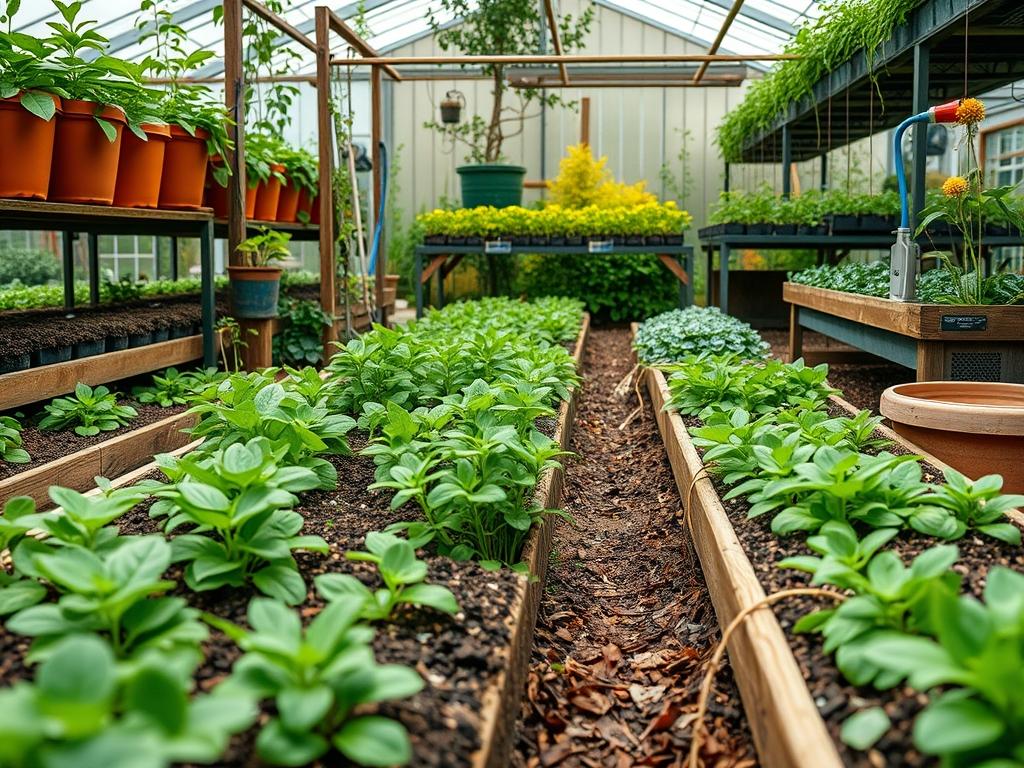
Integrating edible flora into a professional landscape design represents a growing trend in high-end residential architecture. While many homeowners traditionally view Stellaria media, commonly known as chickweed, as a nuisance, the modern paradigm of foodscaping encourages the deliberate cultivation and management of this nutrient dense groundcover. The primary challenge for any consultant is balancing the wild, sprawling nature of such plants with the crisp lines and aesthetic expectations of a curated estate. By understanding the climate requirements and moisture preferences of this species, a designer can transform a neglected, damp corner of the garden into a productive foraging zone. This contributes to the overall outdoor functionality, providing both a lush green carpet during the cooler months and a sustainable food source for the culinary-minded resident. Picking Fresh Chickweed represents more than just a foraging activity; it is the final step in a cycle of thoughtful ecological management.
Maintaining curb appeal while allowing for edible weeds requires a disciplined approach to site planning. The aesthetic value of a garden is often tied to its cleanliness and intentionality. When we introduce a plant that self-seeds as prolifically as chickweed, we must do so within a framework that suggests order. This is particularly important in temperate climates where the plant acts as a winter annual, filling in gaps when other perennials have gone dormant. By framing these areas with high-quality hardscaping, such as flagstone pavers or granite cobbles, the designer signals to the observer that the presence of the plant is intentional rather than a sign of neglect.
Landscape Design Principles
Symmetry and focal points are the cornerstones of a professional garden layout. When incorporating a low-growing edible like chickweed, it should serve as a sub-layer to more dominant architectural plants. We often use it as a living mulch beneath standard-form hydrangeas or boxwood hedges. This creates a tiered effect that draws the eye upward while keeping the soil surface cool and green. Elevation layers are essential; the chickweed occupies the zero to 4-inch height range, acting as a soft transition between the hard edges of a walkway and the taller shrubbery behind it.
Irrigation planning must be precise to support both the aesthetic and the harvest. Chickweed thrives in moist, nitrogen-rich soil. Therefore, we design irrigation zones that cater to these specific microclimates without overwatering the rest of the property. Drip irrigation systems with 0.5 GPH emitters are ideal for maintaining the consistent moisture levels required for Picking Fresh Chickweed without creating the swampy conditions that lead to root rot in neighboring species. Visual balance is achieved by contrasting the fine, delicate texture of the chickweed leaves against broader foliage, such as Hostas or Heucheras.
Walkways should be designed to allow for easy access to the harvest zones without compacting the soil. We often implement stepping stones or a decomposed granite path that meanders through the edible zones. This ensures that the homeowner can engage in Picking Fresh Chickweed after a rainstorm without getting their boots muddy or damaging the delicate stems of the plant. The goal is a seamless integration of utility and beauty where every plant serves a dual purpose.
Plant and Material Selection
| Plant Type | Sun Exposure | Soil Needs | Water Demand | Growth Speed | Maintenance Level |
| :— | :— | :— | :— | :— | :— |
| Chickweed (Stellaria media) | Partial Shade | Nitrogen Rich | High | Rapid | Low to Moderate |
| Creeping Thyme | Full Sun | Well-Drained | Low | Moderate | Low |
| Wild Strawberry | Sun to Part Shade | Loamy | Moderate | Fast | Moderate |
| Sweet Woodruff | Deep Shade | Moist/Acidic | Moderate | Slow | Low |
| Corsican Mint | Part Shade | Very Moist | High | Fast | Moderate |
| Dutch White Clover | Full Sun | Poor to Average | Moderate | Rapid | Low |
Implementation Strategy
The first step in backyard or garden layout planning for an edible landscape is grading. Proper grading ensures that water flows away from the home foundation while settling in designated bioswales or rain gardens where moisture-loving plants like chickweed can flourish. We use a transit level to ensure a minimum 2 percent slope. Once the grade is established, we focus on soil preparation. For those interested in Picking Fresh Chickweed, the soil must be rich in organic matter. We recommend tilling in 3 inches of aged compost to a depth of 6 inches.
Edging is the most critical component for maintaining the professional look of the garden. We utilize steel edging or pressure-treated 4×4 timbers to create a sharp boundary between the chickweed zones and the formal lawn. This prevents the runners from migrating into the turf. Mulch depth in adjacent areas should be maintained at a consistent 3 inches using triple-shredded hardwood mulch to provide a clean visual contrast.
In terms of hardscaping, the selection of materials should reflect the architecture of the home. For a modern aesthetic, large-format slate tiles provide a cool-toned backdrop for the bright green of the chickweed. For a more traditional or rustic look, weathered brick works beautifully. Drainage must be integrated into the hardscape design using French drains or catch basins hidden beneath decorative gravel to manage heavy rainfall events.
Common Landscaping Failures
One of the most frequent mistakes in edible landscaping is poor drainage management. While chickweed loves moisture, stagnant water will lead to fungal issues and attract pests like slugs, which can ruin the harvest. If the soil remains saturated for more than 24 hours, the site requires remediation through the installation of an underground drainage system or the addition of coarse sand to improve percolation.
Root overcrowding is another issue that occurs when designers place too many competitive species in a small area. When Picking Fresh Chickweed is the goal, you must leave enough space for the plant to spread its delicate stems. If it is crowded by aggressive perennials, the chickweed will become leggy and bitter. Proper spacing, as determined by the mature spread of each plant, is vital.
Soil compaction is often overlooked but can be devastating. During the construction phase, heavy equipment often packs the soil down until it is as hard as concrete. This prevents the fine roots of groundcovers from penetrating the earth. We always recommend a thorough aeration of the site following any major hardscaping work. Finally, irrigation inefficiencies, such as over-spraying onto foliage during the heat of the day, can cause leaf burn. We prefer subsurface irrigation or early morning watering schedules to mitigate this risk.
Seasonal Maintenance
Seasonal management begins in the spring, which is the prime time for Picking Fresh Chickweed. As the soil warms, the plant will grow vigorously. This is the period for heavy harvesting. Ensure that you use precision snips to cut the top 2 inches of growth, which allows the plant to regenerate quickly.
As summer approaches and temperatures exceed 80 degrees Fahrenheit, chickweed will naturally begin to wilt and set seed. At this stage, we recommend allowing a few patches to go to seed to ensure a crop for next year, while the remaining areas can be cleared and replaced with a warm-season cover, such as Sweet Alyssum, to maintain ground cover.
In autumn, the temperature drops and the seeds deposited in the summer will begin to germinate. This is the time for a light application of organic 5-5-5 fertilizer to provide the seedlings with a strong start. Clear away fallen leaves from deciduous trees like Oaks or Maples using a leaf blower on a low setting, as a thick mat of leaves can smother the young chickweed.
Winter maintenance involves protecting the soil from extreme freezes. While chickweed is quite hardy, a sudden drop in temperature can damage the cell walls of the leaves. A light layer of pine straw can provide enough insulation to keep the plants viable for Picking Fresh Chickweed even during the colder months.
Professional Landscaping FAQ
How do I distinguish chickweed from toxic lookalikes?
Check for a single line of fine hairs running up the stem that changes sides at each leaf node. Unlike its toxic lookalike, Scarlet Pimpernel, chickweed has white star-shaped flowers and lacks black dots on the leaf undersides.
Does chickweed require specialized fertilizing programs?
In a professional landscape, chickweed thrives on the residual nutrients from surrounding ornamentals. However, adding high-nitrogen organic compost in the early fall will significantly improve the leaf color and tenderness for those interested in Picking Fresh Chickweed.
Can chickweed be used as a primary lawn replacement?
While beautiful, it is not durable enough for high-traffic areas. It works best as a seasonal groundcover in low-traffic zones or as a living mulch in garden beds where its cooling properties benefit the primary ornamental specimens.
How do I prevent chickweed from becoming invasive?
Use physical barriers like underground root shields or deep edging. Harvesting the plant before it develops mature brown seed pods is the most effective way to control its spread and ensure you are only Picking Fresh Chickweed.
Is it safe to eat chickweed from any part of the landscape?
Only harvest from areas that have not been treated with synthetic pesticides, herbicides, or heavy fertilizers. Ensure the site is well-drained and away from roadside runoff to prevent the accumulation of heavy metals or chemical contaminants in the greens.