
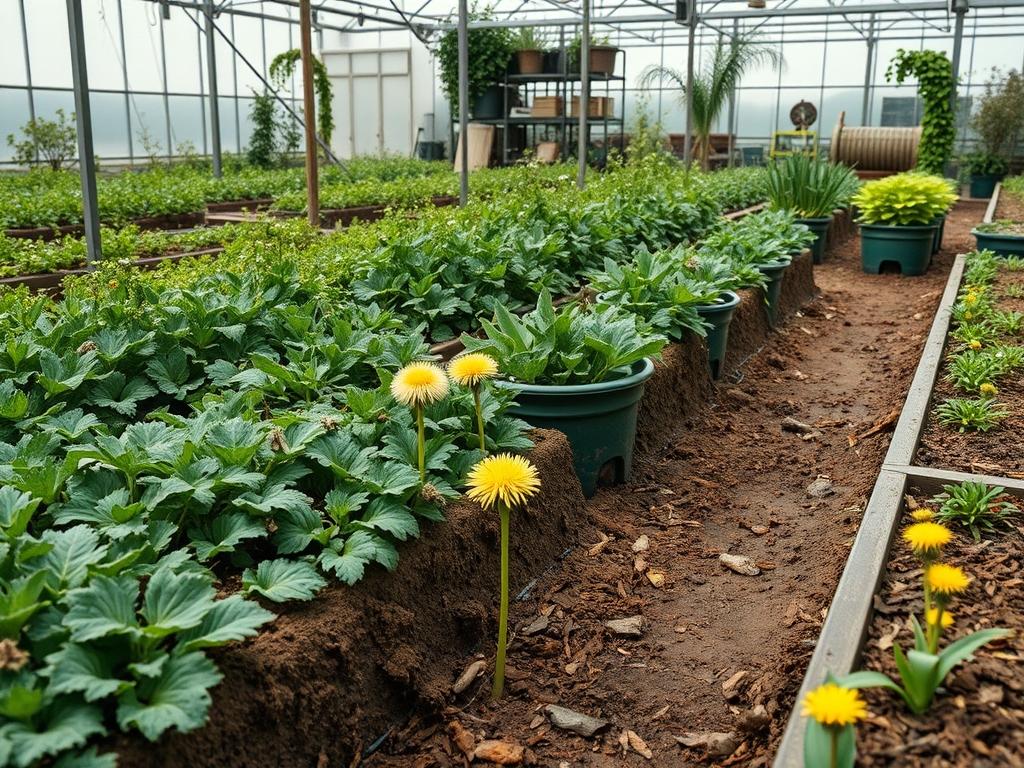
Integrating edible wildlings into a formal landscape requires a shift in perspective, moving away from the sterile monocultures of the mid-twentieth century and toward a functional, multi-layered ecosystem. Homeowners often struggle with the balance between a curated aesthetic and the desire for a productive garden. The challenge lies in climate adaptation and curb appeal. A front yard filled with ragged, unmanaged growth can decrease property value, but a strategically designed edible landscape increases both functionality and visual interest. When harvesting garden dandelion, the goal is to treat the plant not as an intruder, but as a deliberate ground cover or border element. Proper site analysis is the first step. You must consider how the afternoon sun hits your primary beds and how the natural slope of your land handles runoff. A well-planned garden ensures that every square foot serves a purpose, whether it is providing pollinators with early spring nectar or offering the homeowner a nutrient-dense harvest. By incorporating professional design techniques such as hydro-zoning and structural layering, you can transform a typical backyard into a high-performance environment where harvesting garden dandelion becomes a seamless part of your outdoor lifestyle.
Landscape Design Principles
Successful landscaping relies on the marriage of form and function. To integrate edible species like Taraxacum officinale effectively, one must apply the principle of symmetry. Using structured borders, such as Granite Cobblestone or Pressure-treated Timbers, provides a clean frame for the organic, softer shapes of the plants inside. This contrast signals to the observer that the growth is intentional. Focal points are equally crucial. A large Cast Iron Urn or a high-quality Stone Fountain can draw the eye away from the transitional phases of the harvest, maintaining visual interest even when the greens have been recently cropped.
Elevation layers add depth to the environment. We recommend using a multi-tiered approach: high canopies of Fruit Trees, a middle layer of Berry Bushes, and a ground layer of edible herbs and dandelions. This verticality mimics natural forest edges and maximizes the productivity of a small footprint. Irrigation planning must be precise. Dandelions are hardy, but for a high-quality harvest, they require consistent moisture. Installing a Drip Irrigation System with an Automatic Timer ensures the roots remain hydrated without wasting water through evaporation. Walkways should be wide enough for comfortable passage, typically 36 inches to 48 inches wide, using materials like Flagstone or Crushed Decomposed Granite. These paths prevent soil compaction in the growing beds, which is vital for maintaining the friable soil needed when harvesting garden dandelion roots.
Plant and Material Selection
Choosing the right components ensures the longevity of your landscape. The table below outlines a selection of plants that complement an edible design focused on taproot production and leafy greens.
| Plant Type | Sun Exposure | Soil Needs | Water Demand | Growth Speed | Maintenance Level |
| :— | :— | :— | :— | :— | :— |
| Dandelion | Full Sun / Part Shade | Loamy, Well-drained | Moderate | Fast | Low |
| White Clover | Full Sun | Poor to Average | Low | Fast | Low |
| Culinary Sage | Full Sun | Sandy, Dry | Low | Moderate | Medium |
| Red Veined Sorrel | Part Shade | Rich, Moist | High | Fast | Medium |
| Creeping Thyme | Full Sun | Gritty, Well-drained | Very Low | Moderate | Low |
| French Marigold | Full Sun | Loose, Fertile | Moderate | Fast | Low |
For hardware and materials, prioritize durability. Use 12-gauge Steel Edging to define the lines between your lawn and your harvest zones. For mulch, select Organic Hardwood Bark or Pine Straw to regulate soil temperature. These materials eventually break down and add organic matter back into the system, supporting the micro-biology required for healthy plant development.
Implementation Strategy
The transition from a design on paper to a physical landscape requires a systematic approach. Start with grading. The land must be sloped away from the foundation of the home at a minimum of a 2 percent grade to prevent water damage. If your backyard has significant elevation changes, consider building a Stacked Stone Retaining Wall. These walls create level planting terraces that are much easier to manage. Once the layout is marked using Surveyor’s Stake and String, remove the existing turf.
For the planting beds, incorporate 3 inches of Finished Compost into the top 8 inches of Soil using a Rear-tine Tiller. This creates a nutrient-rich environment that encourages deep taproot growth, which is essential when harvesting garden dandelion for medicinal or culinary purposes. When installing the plants, follow the spacing guidelines strictly. Overcrowding leads to poor air circulation and fungal issues. For dandelions, a spacing of 6 inches to 12 inches allows each plant to reach its full leaf-span.
Once the plants are in the ground, apply a 3-inch Mulch Layer. This suppresses unwanted weeds while retaining the moisture needed for succulent leaves. If you are harvesting the roots, ensure the mulch is easily moved aside for digging. Use a Long-handled Dandelion Fork or a Stainless Steel Hori Hori Knife to extract the entire root without disturbing the neighboring flora. Finally, install your hardscaping elements, such as Decorative Boulders or Cedar Benches, to finalize the spatial flow of the garden.
Common Landscaping Failures
One of the most frequent errors in garden planning is poor drainage. If water sits in the root zone for more than 24 hours, most plants will suffer from root rot. To fix this, a French Drain or a Dry Creek Bed can be installed to redirect excess moisture toward a Rain Garden or the street’s storm drain. Another common failure is improper spacing. Homeowners often buy small plants and place them too close together, forgetful of their mature size. This results in a tangled mess that is difficult to harvest and prone to pests like Aphids or Spider Mites.
Soil compaction is a silent killer of garden productivity. Walking directly on the planting beds compresses the soil pores, cutting off oxygen to the roots. Always utilize Stepping Stones or designated paths. Irrigation inefficiency is also a major concern. Overhead sprinklers often lose significant water to wind and evaporation and can encourage leaf spotting. Transitioning to a Sub-surface Emitter System is a more professional and sustainable choice. Finally, many gardeners fail to account for the invasive nature of certain species. Without Root Barriers or diligent deadheading before the puffball stage, your harvest area may quickly overwhelm the rest of your landscape.
Seasonal Maintenance
Landscape management is a year-round commitment. In the spring, focus on soil preparation and the first harvest of tender leaves. Apply a Slow-release Organic Fertilizer with a balanced N-P-K ratio to jumpstart the growing season. As the flowers appear, you can collect the petals for wines or jellies.
Summer requires a focus on hydration and heat management. During periods of extreme temperatures, you may need to provide a 30 percent Shade Cloth to prevent the greens from becoming overly bitter. Keep the Drip Irrigation schedule consistent, checking for leaks or clogged emitters.
Autumn is the prime time for harvesting garden dandelion roots. As the plant prepares for dormancy, it pulls nutrients down into the taproot, making it more potent and substantial. Use a Garden Spade to loosen the soil before pulling. This is also the time to apply a fresh layer of Bark Mulch to protect the crowns from the coming frost.
Winter maintenance is largely about protection and planning. In colder climates, use Burlap Wraps for sensitive shrubs nearby. Inspect your hardscaping for any shifting caused by frost heave. It is a period of rest for the garden, but for the architect, it is the time to review the past season’s successes and plan for the next year’s expansion.
Professional Landscaping FAQ
How do I prevent dandelions from spreading to my neighbor’s yard?
The most effective method is deadheading. You must remove the yellow flowers before they transition into white seed heads. Additionally, installing a 6-inch Deep Steel Root Barrier around the perimeter will prevent the lateral spread of roots.
What is the best soil pH for a harvestable garden?
Most edible wildlings and garden vegetables thrive in a slightly acidic to neutral range, specifically a pH of 6.0 to 7.0. You can test your soil using a Digital pH Meter and adjust it with lime or sulfur.
Can I use chemical pesticides in a dandelion harvest area?
No. Since you are harvesting garden dandelion for consumption, you should strictly avoid synthetic herbicides or pesticides. Instead, utilize Beneficial Insects like ladybugs or organic sprays like Neem Oil to manage pest populations safely.
How deep do I need to dig when harvesting roots?
Dandelion taproots can reach depths of 12 inches or more in loose soil. To get the highest quality yield, use a Narrow Trenching Tool to reach at least 8 inches down, ensuring the thickest part of the root is extracted.
Why are my dandelion leaves so bitter?
Bitterness increases with sun exposure and maturity. To keep the leaves palatable, harvest them when they are young in the early spring. Alternatively, you can practice Blanching by covering the plants with an Inverted Pot for five days before harvesting.