
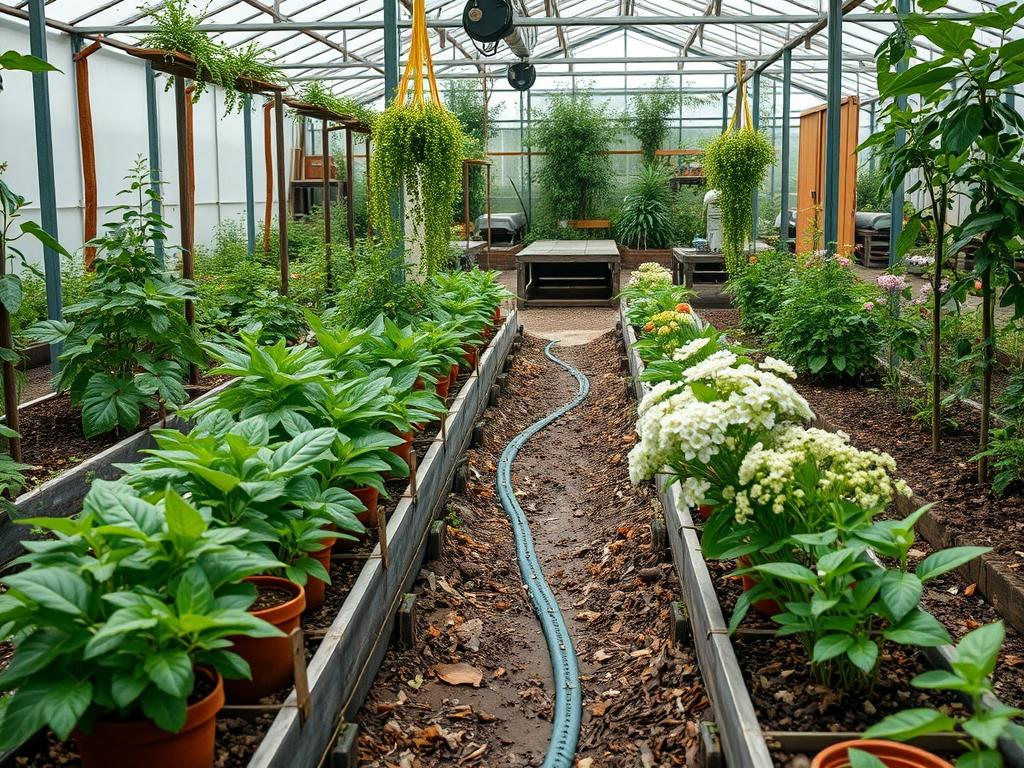
Integrating edible elements into a sophisticated outdoor environment requires more than just planting a few shrubs and hoping for a harvest. For a discerning homeowner, the objective is to balance aesthetic curb appeal with a functional, high-yield garden. When the primary goal involves Picking Fresh Elderflowers for homemade syrup, the landscape architect must view the elderberry bush, specifically Sambucus nigra or Sambucus canadensis, as both a structural asset and a culinary resource. This dual-purpose approach demands a deep understanding of site orientation, soil chemistry, and spatial planning. A well-designed landscape does not happen by accident; it is the result of careful grading, strategic irrigation, and the selection of plants that thrive in specific microclimates. The elderberry is a vigorous grower that can quickly dominate a space, meaning its placement must be calculated to provide visual interest without compromising the health of neighboring botanical specimens or the accessibility of the harvest.
Success in this endeavor starts with evaluating the topography and drainage of the property. Elderberries are famously tolerant of moist conditions, yet stagnant water will lead to root rot and diminished flower quality. As consultants, we look for ways to utilize natural depressions in the yard or create artificial swales that direct runoff toward these thirsty shrubs. By managing the elevation and ensuring the root ball is seated in well-aerated loam soil, we create the ideal environment for the large, creamy white umbels to develop. These flowers are the source of the fragrant pollen required for high-quality syrup, and their health is directly tied to the nutritional profile of the ground. Furthermore, for those interested in Picking Fresh Elderflowers, the landscape must be designed with human traffic in mind. High-traffic walkways using permeable paving or crushed stone should lead directly to the shrubs, allowing the harvester to reach the blooms without compacting the soil or stepping into muddy zones.
Landscape Design Principles
A professional landscape uses symmetry and focal points to guide the eye and create a sense of order. When incorporating elderberries, consider using them as a backdrop or a living privacy screen. Due to their height, which can reach 10 feet to 12 feet in a single season, they provide an excellent textural contrast to lower-lying perennials. We often use the “rule of thirds” to place these shrubs at the corners of a property or along a retaining wall to soften the hard lines of the masonry. Symmetry can be achieved by flanking a garden gate with two identical Sambucus nigra ‘Black Lace’ specimens; their dark foliage provides a stunning seasonal contrast to the pale flowers.
Focal points are equally important. An elderberry shrub placed at the end of a long gravel path serves as a visual destination, drawing guests into the garden. From an architectural perspective, we also consider elevation layers. By planting shorter, sun-loving herbs like Lavandula or Salvia in front of the elderberries, we create a tiered effect that maximizes sun exposure for all species. This layering also improves air circulation, which is critical for preventing powdery mildew on the elder leaves. Finally, irrigation planning must be integrated into the design from the start. A drip irrigation system buried under 3 inches of hardwood mulch ensures that moisture reaches the roots directly, reducing evaporation and keeping the flowers hydrated during the heat of June when they are most ready for harvest.
Plant and Material Selection
The following table outlines the primary species and support materials recommended for a harvest-focused landscape. Selecting the right variety is the difference between a sparse garden and a lush, productive environment.
| Plant Type | Sun Exposure | Soil Needs | Water Demand | Growth Speed | Maintenance Level |
| :— | :— | :— | :— | :— | :— |
| Sambucus nigra | Full Sun to Part Shade | Rich, Moist, pH 5.5-6.5 | High | Fast | Moderate |
| Sambucus canadensis | Full Sun | Adaptable, Wet Soil | High | Very Fast | High |
| Nepeta (Catmint) | Full Sun | Well-drained | Low | Medium | Low |
| Viburnum dentatum | Full Sun to Part Shade | Moist, Acidic | Medium | Medium | Low |
| Hydrangea paniculata| Part Sun | Rich, Well-drained | Medium | Medium | Moderate |
| Hardwood Mulch | N/A | Weed Suppression | N/A | N/A | Annual Application |
Implementation Strategy
The actual installation of a garden designed for Picking Fresh Elderflowers requires a methodical approach. First, perform a soil test to determine the nutrient density. Elderberries prefer a slightly acidic to neutral pH. If the soil is too alkaline, sulfur may be added to the grading phase to adjust the levels. Once the soil is prepared, layout the garden using marking paint or surveyor stakes. This allows you to visualize the mature spread of the shrubs; remember that a healthy elderberry can spread 6 feet to 8 feet wide. Leave enough space between the plants and any permanent structures to prevent moisture from being trapped against the house or fence.
For the planting process, dig a hole that is twice as wide as the root ball but no deeper. This encourages lateral root growth, which stabilizes the plant against wind. After placing the shrub, backfill with a mixture of native soil and organic compost. Apply a 2 inch layer of mulch around the base, keeping it a few inches away from the trunk to prevent rot. If you are installing edging, choose a durable material like steel or treated timber to keep the lawn from encroaching on the elderberries’ root zone. This clear boundary makes maintenance much simpler and defines the harvest area as a distinct part of the landscape.
Common Landscaping Failures
One of the most frequent errors in garden planning is improper drainage. While elderberries love water, they cannot survive in “clink” soil, which is heavy clay that holds water like a bowl. Without proper drainage pipes or soil amendments, the roots will suffocate, leading to wilted flowers that are useless for syrup. Another common failure is root overcrowding. Because these shrubs grow so rapidly, amateur gardeners often plant them too close together. This creates a dense thicket that inhibits sunlight from reaching the inner branches, reducing the number of flower clusters produced.
Soil compaction is another silent killer of garden productivity. If the landscape does not include designated walkways, the act of Picking Fresh Elderflowers will involve walking directly over the root zones. Over time, this packs the soil down, preventing oxygen and water from reaching the feeder roots. Finally, irrigation inefficiencies often plague these setups. Overhead watering should be avoided, as it can wash away the precious pollen from the elderflowers and encourage fungal diseases. A professional irrigation timer set for early morning delivery via soaker hoses is the gold standard for maintaining bloom health.
Seasonal Maintenance
Managing an elderberry-focused landscape requires a year-round commitment to pruning and soil health. In the spring, apply a balanced fertilizer once the first buds appear. This provides the nitrogen and phosphorus needed for a heavy bloom cycle. As soon as the flowers open in late spring or early summer, the process of Picking Fresh Elderflowers begins. Use clean bypass pruners to snip the clusters at the peak of their fragrance, ideally in the morning after the dew has evaporated but before the sun is too hot.
In the autumn, focus on structural maintenance. Remove any dead or crossing branches to improve the overall shape of the shrub. Winter is the time for renewal pruning. Since elderberries flower on a mix of old and new wood, removing one-third of the oldest canes every year keeps the plant vigorous and prevents it from becoming a messy bramble. This ensures that every summer, the harvest is within reach and the flowers are of the highest quality for your homemade syrup.
Professional Landscaping FAQ
How much sun do elderberries need for the best flowers?
For maximum flower production, ensure your shrubs receive at least 6 to 8 hours of direct sunlight. While they tolerate partial shade, the floral clusters will be smaller and less fragrant in lower light conditions, impacting your syrup yield.
What is the best way to prevent weeds around my shrubs?
Maintain a consistent 3 inch layer of organic mulch like cedar or hemlock. This suppresses weed germination and retains essential moisture. For a more permanent solution, install a professional-grade landscape fabric before applying the mulch or stone.
Can I grow elderberries in large decorative containers?
Yes, but you must use a container at least 24 inches in diameter with excellent drainage. Container-grown shrubs require more frequent irrigation and fertilization, as their nutrient supply is limited by the volume of the potting soil.
When is the absolute best time for Picking Fresh Elderflowers?
Harvesting should occur when the individual tiny flowers in the cluster are fully open but before they turn brown. Aim for a clear, dry morning. This ensures the pollen count is high, which provides the characteristic flavor for syrup.
How do I handle common garden pests like aphids?
Integrate companion plants like Yarrow or Dill to attract beneficial insects that prey on aphids. For severe infestations, use a high-pressure water spray or insecticidal soap, taking care not to spray the flowers you intend to harvest for food.