
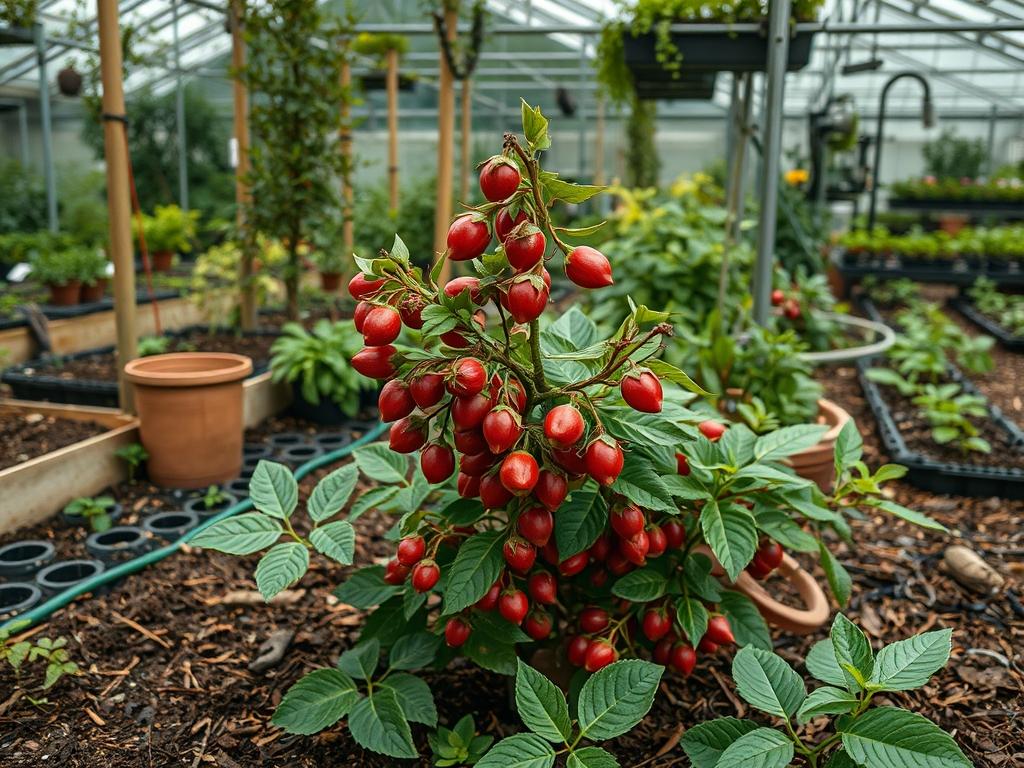
Transitions from vibrant summer growth to the stark structural beauty of winter require intentional planning. Many homeowners overlook the functional aesthetic of the rose hip, the fruit of the rose plant, which persists through the cold months. Harvesting garden rose hips after the first few hard frosts is a technique rooted in horticultural science. The cold temperatures trigger a biochemical shift within the fruit, converting complex starches into simple sugars. This process results in a significantly sweeter flavor profile and a softer texture, making northern gardens both a visual and a culinary resource. From a landscape architect’s perspective, these hips provide a vital pop of crimson or orange color against a snowy or dormant backdrop, enhancing winter curb appeal while supporting local wildlife. A well designed landscape does not just end when the petals fall; it evolves into a secondary harvest season that rewards the patient gardener with nutrient dense berries.
Landscape Design Principles
Integrating rose varieties specifically for their hips requires a balance of form and function. In professional landscape architecture, we focus on the structural integrity of the plant during its dormant phase. Symmetry is often achieved by flanking entryways or retaining walls with rugosa roses, which offer architectural stability and a prolific hip display. When planning a garden layout, consider the focal points from the interior of the home. Placing roses with large, bright hips within the sightline of a kitchen window ensures that the winter color is appreciated even in inclement weather.
Elevation layers are crucial for a multi dimensional garden. I recommend placing taller species like Rosa canina at the back of a border to create a natural screen, while lower, spreading varieties can soften the edges of walkways. This layering ensures that sunlight reaches the ripening hips and that air circulation remains high, which is essential for preventing fungal diseases in damp climates. Furthermore, we must consider irrigation planning. Roses require consistent moisture during their flowering stage to produce plump, healthy hips. Professional designs often incorporate low volume drip irrigation systems buried beneath 3 inches of organic mulch to maintain hydration without wetting the foliage.
Visual balance is also achieved through the contrast of textures. The fine, delicate foliage of a rose bush in spring yields to the rugged, thorny stems and glossy fruit of winter. By grouping these plants near evergreens, the red hips stand out vividly against the dark green needles. This creates a cohesive year round aesthetic that moves beyond the fleeting beauty of a summer bloom. Designing with the harvest in mind means ensuring that plants are positioned for easy access, allowing the gardener to reach the fruit without trampling delicate root zones or compacting the soil near the hardscaping.
Plant and Material Selection
| Plant Type | Sun Exposure | Soil Needs | Water Demand | Growth Speed | Maintenance Level |
| :— | :— | :— | :— | :— | :— |
| Rosa rugosa | Full Sun | Sandy, well drained | Moderate | Fast | Low |
| Rosa canina | Full Sun to Part Shade | Heavy clay or loam | High | Moderate | Medium |
| Rosa virginiana | Full Sun | Moist, acidic | High | Moderate | Low |
| Rosa glauca | Full Sun to Part Shade | Standard loam | Moderate | Fast | Low |
| Rosa moyesii | Full Sun | Well drained, fertile | Moderate | Slow | Medium |
Implementation Strategy
The process of installing a harvest focused rose garden begins with the site preparation. Grading is the first priority; the land must slope away from any structures at a minimum of 2 percent to ensure proper drainage. Roses are particularly susceptible to root rot if they sit in stagnant water during the winter months. Once the grade is established, we mark the boundaries using steel edging or natural stone to create a clean transition between the garden bed and the lawn or walkway.
After the structural layout is set, we address soil health. We incorporate organic matter, such as composted manure or leaf mold, into the top 12 inches of the soil profile to provide a nutrient rich environment. When planting, each rose should be spaced to allow for its mature width. Overcrowding is a common mistake that leads to poor fruit production. After the roses are in the ground, we apply a layer of mulch, specifically a medium textured wood chip or shredded bark. This mulch layer should be approximately 3 to 4 inches deep, but it must be kept a few inches away from the base of the stems to prevent crown rot.
For the actual harvest of the hips, the timing is essential. We wait for at least two hard frosts, which typically occur when nights drop below 28 degrees Fahrenheit. Using sharp bypass pruners, we clip the hips at the pedicel, the small stalk that connects the fruit to the branch. This prevents damage to the main stems. It is also important to plan for bird activity. Many architects include bird baths or feeders near the rose garden to encourage wildlife, but if the goal is a culinary harvest, we might use light bird netting temporarily to protect the fruit until the sugar levels have peaked.
Common Landscaping Failures
One of the most frequent errors in garden planning is poor drainage management. If the site is level or sunken, water will accumulate around the root flare, leading to oxygen deprivation. In these cases, we often install a French drain or a sub surface gravel pit to redirect excess moisture. Another failure involves root overcrowding. When roses are planted too close to large trees or competitive shrubs, they lose the battle for nutrients and water, resulting in small, shriveled hips that lack flavor.
Improper spacing also inhibits air flow. High humidity and stagnant air are the primary drivers of black spot and powdery mildew. If a garden is too densely planted, the interior of the rose bush remains damp, which can ruin the hip crop before it ever reaches the frost. Soil compaction is another silent killer. During the construction phase, heavy equipment often packs the soil down, destroying the macropores necessary for root respiration. We use aeration tools or deep tilling to remediate these areas before any planting occurs. Finally, irrigation inefficiencies, such as overhead sprinkling, can cause the fruit to split or rot. A targeted drip system is the only professional way to manage water for a harvestable crop.
Seasonal Maintenance
Spring maintenance begins with the removal of any winter damaged canes. We prune about one third of the old wood to encourage new growth, which will eventually produce the flowers and hips. This is also the time to apply a balanced fertilizer and refresh the mulch to keep the soil cool as temperatures rise.
Summer focus shifts to hydration and monitoring for pests. We suggest regular scouting for aphids or Japanese beetles, which can defoliate a bush and reduce its energy for fruit production. Even though we want the hips, we do not deadhead the flowers once the main summer flush has passed. Every flower that is left on the bush is a potential hip for the winter harvest.
Autumn is the period of anticipation. We reduce nitrogen fertilization to allow the plant to begin its hardening off process. Moistening the soil before the ground freezes is vital for winter survival. This is when the hips begin to turn from green to their characteristic bright reds and oranges.
Winter is the time for harvesting and structural observation. After the frost has sweetened the fruit, the harvest can begin. Once the hips are gathered, the bare canes provide an opportunity to see the true architecture of the garden. We look for any crossing branches or structural weaknesses that need to be addressed in the following spring.
Professional Landscaping FAQ
How do I know when the rose hips are ready?
Wait until the fruit feels slightly soft to the touch and the color is deep red or orange. A hard frost is the chemical signal that the starches have converted to sugars, making them optimal for use.
Should I prune my roses in the fall?
No, avoid heavy pruning in the autumn. Cutting back the stems can stimulate new growth that will be killed by the cold. Additionally, removing the stems would eliminate the rose hips you intend to harvest throughout the winter months.
Which rose variety produces the best hips?
Rosa rugosa is a top choice for both professional landscaping and harvesting. It produces exceptionally large, fleshy hips that are high in Vitamin C and have a flavor profile similar to tart cranberries when softened by frost.
Can I harvest hips from any rose bush?
Technically yes, but many modern hybrid tea roses are bred for flowers, not fruit, and may not produce hips. Ensure your roses have not been treated with systemic pesticides if you plan to consume the fruit after harvesting.
How do I protect my roses from winter wind?
In exposed landscapes, we use burlap wraps or windbreaks. This prevents desiccation of the canes. However, leave the fruit exposed to the frost if you are waiting for that final sweetening before you begin the harvest process.