
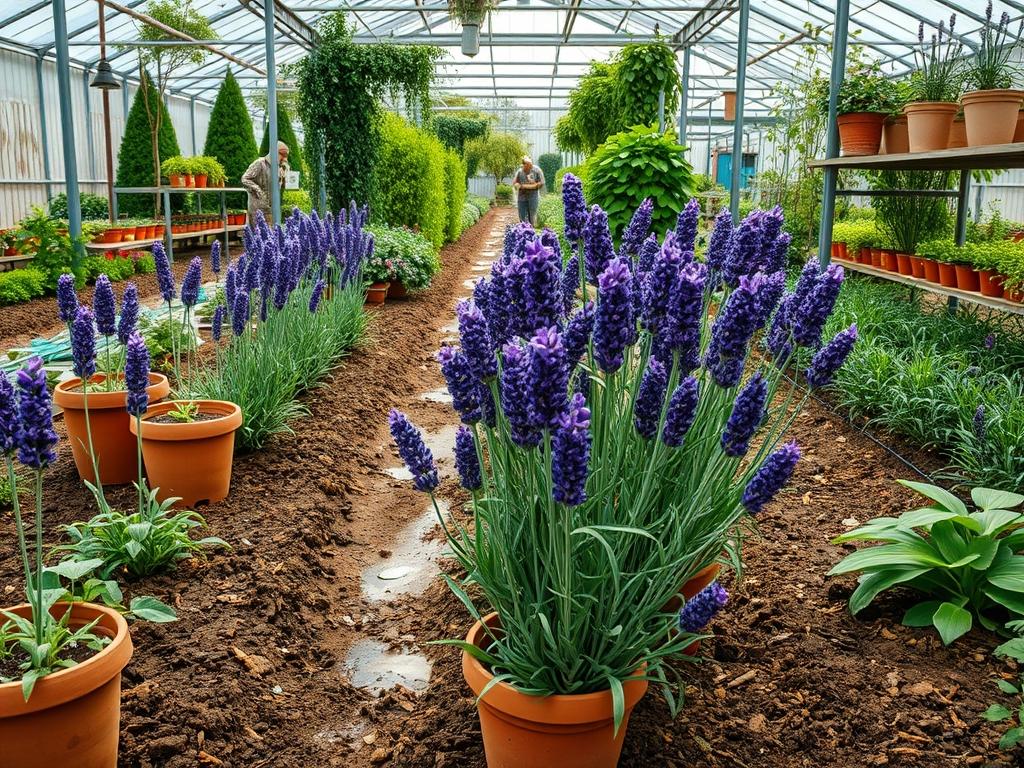
Integrating a lavender meadow or a structured lavender border into a professional landscape design requires more than a simple aesthetic appreciation for the plant. It demands a rigorous understanding of site hydrology, soil chemistry, and the lifecycle of the herbaceous shrub. For the landscape architect, the primary challenge lies in balancing the immediate visual gratification of a lush, purple garden with the long term survival of a species that is notoriously sensitive to moisture and soil compaction. High end residential projects often feature lavender as a centerpiece, not just for its fragrance but for its ability to provide a consistent silver green texture throughout the year. When we approach picking fresh lavender buds, we are not just harvesting a product; we are performing a vital maintenance task that keeps the plant structurally sound and prevents the center from becoming woody and brittle. By viewing the harvest as a component of the broader landscape management plan, we can ensure the garden maintains its curb appeal while providing a functional yield.
Landscape Design Principles
Successful lavender integration begins with the principle of symmetry and the establishment of clear focal points within the outdoor living space. In a formal Mediterranean or French Provencal design, we often use Lavandula angustifolia to line primary walkways. This creates a sensory transition from the driveway to the main entrance. The height of the lavender should be considered in relation to the elevation layers of the surrounding softscape. We typically plant larger shrubs like Boxwood or Yew behind the lavender to provide a dark green backdrop that makes the purple spikes pop.
Wait, the visual balance is also dictated by the spacing of the plants. To achieve a seamless, hedge like appearance, individual lavender plants should be spaced at approximately 18 to 24 inches on center. This allows for adequate air circulation, which is the single most important factor in preventing fungal infections in humid climates. Furthermore, the irrigation planning must be isolated from higher water need zones like turf or tropical perennials. We utilize dedicated drip irrigation lines with emitters calibrated to deliver water directly to the root zone, avoiding the foliage entirely to prevent mildew.
Plant and Material Selection
Selecting the right cultivar is the difference between a thriving landscape and a costly replacement project next season. The table below outlines the primary materials and plants used in professional lavender environments.
| Plant Type | Sun Exposure | Soil Needs | Water Demand | Growth Speed | Maintenance Level |
| :— | :— | :— | :— | :— | :— |
| English Lavender | Full Sun | Well-drained, alkaline | Low | Moderate | Medium |
| French Lavender | Full Sun | Sandy, porous | Low | Fast | Medium |
| Spanish Lavender | Full Sun | Gritty, lean | Low | Moderate | High |
| Creeping Thyme | Full Sun | Dry, rocky | Very Low | Fast | Low |
| Rosemary | Full Sun | Poor, well-draining | Very Low | Fast | Low |
Beyond the plants, the choice of mulch is critical. We avoid organic wood mulches that retain moisture and can lead to crown rot. Instead, we specify pea gravel, decomposed granite, or crushed oyster shells. These inorganic materials reflect heat back up into the plant, mimicking its native habitat and encouraging the production of the essential oils that make picking fresh lavender buds so rewarding.
Implementation Strategy
The implementation of a lavender garden starts with the grading of the site. We ensure a minimum 2 percent slope away from any structures or low lying areas to prevent water from pooling. If the natural soil consists of heavy clay, we excavate to a depth of 12 inches and replace it with a custom soil mix consisting of 60 percent sandy loam, 20 percent perlite, and 20 percent composted organic matter.
Once the grading is complete, we install edging to define the beds and prevent invasive turf grasses from encroaching on the lavender’s territory. During the planting phase, we ensure the root ball is seated slightly above the surrounding soil level, creating a tiny mound. This ensures that the crown, the point where the stems meet the roots, stays dry. After planting, we apply a 2 inch layer of grit mulch. For the actual harvest, picking fresh lavender buds should be timed for the early morning after the dew has evaporated but before the heat of the sun causes the essential oils to dissipate. We use bypass pruners to cut the stems, leaving at least one third of the green growth on the plant to ensure its health for the following season.
Common Landscaping Failures
The most frequent failure we encounter in the field is improper drainage. Lavender cannot survive in “wet feet”; even 48 hours of standing water during a summer storm can kill an established hedge. This is often caused by a lack of proper drainage pipe installation or the failure to account for seasonal runoff from roof gutters.
Another common error is root overcrowding. Professional landscapes often look sparse in the first year because we respect the mature width of the plant. Amateurs often pack plants too tightly to get an immediate “full” look, resulting in a lack of airflow and eventual die-back. Furthermore, soil compaction from heavy foot traffic or construction equipment can suffocate the roots. We recommend creating designated walkways using flagstone or pavers to keep weight off the delicate root zones. Finally, over-fertilization is a major mistake. Lavender thrives in poor, lean soil; high nitrogen fertilizers produce lush green growth that lacks fragrance and is highly susceptible to frost damage.
Seasonal Maintenance
Landscape management is a year round commitment. In the spring, we focus on light pruning and checking the irrigation system for leaks. This is also the time to test the soil pH; if it has dropped below 6.5, we apply a light dusting of garden lime to restore alkalinity.
Summer is the peak season for picking fresh lavender buds. As an architect, I advise clients to harvest the entire plant once the flowers begin to fade. This promotes a second, albeit smaller, bloom in late summer and prevents the plant from setting seed, which consumes vital energy. For the sifting process, we utilize a stainless steel sieve to separate the dried buds from the stems.
In the autumn, we perform the heavy structural pruning. We cut the plants back by about one third, shaping them into tight mounds to resist the weight of winter snow. During winter, the main goal is protection. In colder zones, we may use burlap wraps or evergreen boughs to protect the plants from desiccating winter winds, though avoiding excessive moisture remains the priority.
Professional Landscaping FAQ
When is the best time for picking fresh lavender buds?
Harvest in the mid morning after the dew has dried but before midday heat. For maximum fragrance and oil content, pick the buds when the bottom third of the flower spikes have just begun to open and show their vibrant color.
What is the best way to sift lavender buds after picking?
Once the stems are fully dried in a dark, ventilated space, rub the flower heads between your palms over a mesh screen. Use a coarse sieve to remove large stems and a finer sieve to eliminate dust and small debris.
Can lavender be used as a successful retaining wall plant?
Yes, lavender is excellent for the top of retaining walls because the elevated position guarantees the superior drainage the plant requires. It softens the hard edges of stone or concrete and allows the flowers to drape naturally toward eye level.
Why are my lavender plants turning woody and brown in the center?
This is usually caused by a lack of pruning or insufficient sunlight. If the plant is not pruned annually, the center becomes shaded and the stems turn to unproductive wood. Regular harvesting and thinning are necessary for long term health.
Does lavender require frequent irrigation once it is established?
Once the root system has deepened, usually after the first two seasons, lavender is extremely drought tolerant. In most climates, it only requires supplemental water during extended dry spells, provided the soil has excellent porosity and drainage.