
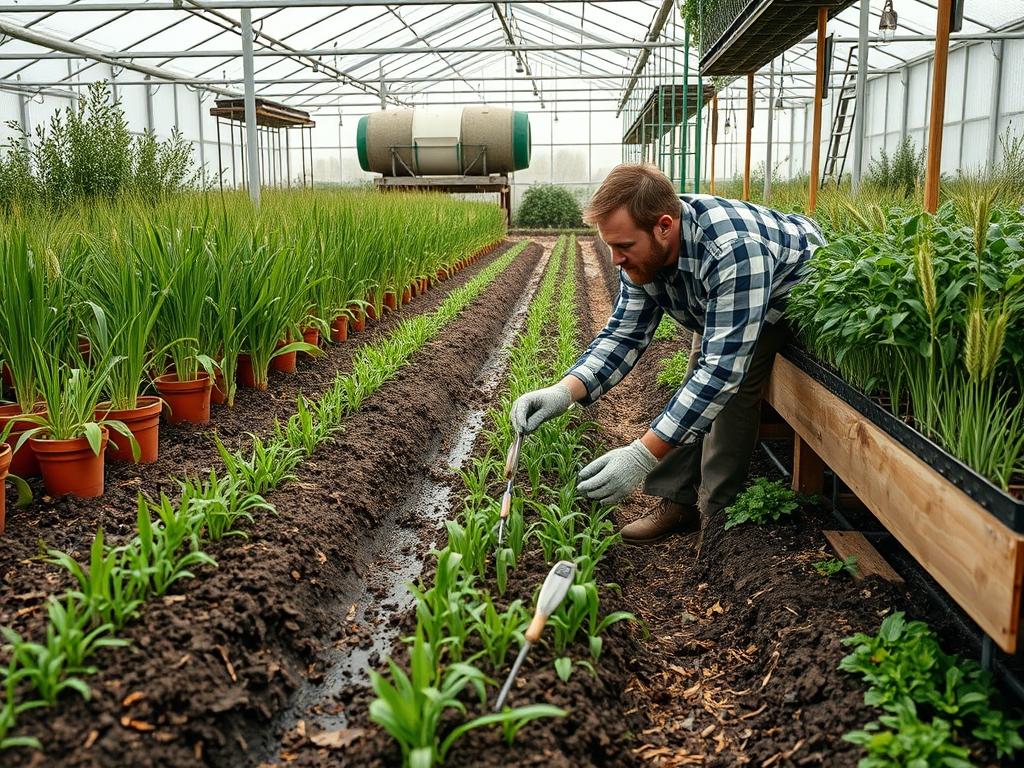
Integrating cereal grains like Hordeum vulgare into a sophisticated landscape design requires a nuanced understanding of texture, lifecycle, and microclimates. While most homeowners view barley strictly as a commercial crop, the modern landscape architect utilizes its swaying stalks and golden hues to create movement and vertical interest within a residential setting. The primary challenge lies in balancing the agricultural needs of the plant with the aesthetic requirements of high-end curb appeal. When the goal includes picking fresh barley for home use, the site must be engineered for both accessibility and visual harmony. A well-planned grain plot acts as a living sculpture that changes from a vibrant, lush green in the spring to a bronzed, architectural gold by mid-summer.
The integration of functional crops into a landscape plan addresses several outdoor functionality goals simultaneously. It provides a seasonal screen, creates a unique tactile experience for visitors, and encourages a deeper connection with the land. However, successfully picking fresh barley requires more than throwing seeds into a vacant lot. It demands a site-specific strategy that accounts for soil drainage, solar orientation, and the structural integrity of the surrounding garden beds. By treating the barley patch as a purposeful design element rather than an afterthought, a consultant can ensure the harvest is bountiful while the property maintains its professional finish and architectural value.
Landscape Design Principles
Effective landscape design for cereal grains relies heavily on the principle of elevation layers. Barley typically reaches a height of 30 inches to 48 inches, placing it firmly in the mid-background layer of a garden bed. To achieve symmetry and visual balance, it should be framed by lower-growing perennials or crisp steel edging to prevent the “wild” look from appearing neglected. Using the grain as a backdrop for shorter, colorful species like Purple Coneflower creates a professional contrast in both color and form. The verticality of the barley stalks provides a rhythmic texture that contrasts beautifully against the solid, heavy surfaces of natural stone pavers or concrete retaining walls.
Focal points are essential when designing with functional crops. Instead of a single, sprawling field, consider breaking the barley into geometric patches or “rooms” within the garden. This creates a sense of intentionality and allows for easier access when the time comes for picking fresh barley. Irrigation planning must be integrated into the initial blueprint. While barley is relatively drought-tolerant, a dedicated drip irrigation system ensures consistent kernel development without wetting the foliage, which can lead to fungal issues. Walkways should be at least 36 inches wide to allow for comfortable passage with harvesting tools like a hand sickle or garden shears without trampling the surrounding ornamental plants.
Plant and Material Selection
Selecting the right cultivars and companion materials is the foundation of a successful grain-inclusive landscape. The following table outlines the requirements for a balanced, productive, and aesthetically pleasing outdoor environment.
| Plant Type | Sun Exposure | Soil Needs | Water Demand | Growth Speed | Maintenance Level |
| :— | :— | :— | :— | :— | :— |
| Common Barley | Full Sun | Well-drained loam | Moderate | Fast | Medium |
| Lavender | Full Sun | Sandy/Alkaline | Low | Moderate | Low |
| Blue Oat Grass | Full Sun | Average/Dry | Low | Moderate | Low |
| Switchgrass | Full Sun/Part Shade | Most soil types | Low | Fast | Low |
| Russian Sage | Full Sun | Dry/Poor soil | Very Low | Fast | Low |
For the structural components of the landscape, specify materials that handle moisture well. Use crushed granite or pea gravel for transition paths between the lawn and the grain beds. These materials provide excellent drainage and a clean visual break that highlights the organic texture of the ripening grain.
Implementation Strategy
The implementation of a barley-focused landscape begins with professional grading. Proper slope is non-negotiable; standing water will rot the root system of Hordeum vulgare within days. The site should be graded to a 2 percent slope away from any foundations or hardscapes. Once the grading is established, the soil must be prepared. Barley thrives in a clay loam with a pH level between 6.0 and 7.0. Incorporate organic compost to a depth of 6 inches using a rear-tine tiller to ensure a loose, friable seedbed that encourages deep root penetration.
Edging is the next critical step. To maintain curb appeal, use 4-inch deep aluminum edging or Belgian block to create a permanent border. This prevents the grain from migrating into the lawn and provides a clean line for the mower. Seeds should be broadcast or drilled at a depth of 1 inch to 1.5 inches, with a spacing of roughly 15 to 20 seeds per square foot. After seeding, a light layer of straw mulch or a thin 1/2 inch dusting of fine compost can help retain moisture during the germination phase. As the plants grow, the landscape architect must monitor for lodging, which is when the stalks fall over due to wind or excessive nitrogen. To prevent this, avoid over-fertilizing with high-nitrogen products once the plants reach 12 inches in height.
Common Landscaping Failures
One of the most frequent mistakes in grain-integrated landscaping is soil compaction. Heavily trafficked areas during the construction phase often leave the soil too tight for barley roots to thrive. Using a broadfork to aerate the soil before planting can mitigate this issue. Another common failure is improper irrigation timing. While consistent moisture is needed during the vegetative stage, picking fresh barley requires a period of drying. If the automatic sprinklers continue to soak the heads during the ripening stage, the grain will sprout on the stalk or develop black sooty mold, ruining both the harvest and the aesthetic.
Root overcrowding is another concern. Designers often plant too densely to get an “instant” look, but this leads to poor air circulation and powdery mildew. Proper spacing allows individual stalks to thicken and stand strong. Finally, ignoring the drainage requirements of the hardscape borders can lead to “bathtubbing,” where water traps against a retaining wall or edging strip. Ensure that weep holes or perforated drain pipes are installed behind any vertical structures to allow excess water to escape the grain bed efficiently.
Seasonal Maintenance
Spring is the season for preparation and planting. Once the soil temperature reaches 40 degrees Fahrenheit, the first round of seeds can go into the ground. Apply a balanced 10-10-10 fertilizer to give the young shoots a strong start. During early summer, the focus shifts to weed management and irrigation. Use a scuffle hoe to remove competing weeds between the rows while the barley is still young. By mid-summer, the plants will naturally shade out most competitors.
The transition from summer to autumn is the peak period for picking fresh barley. The gardener must monitor the color and moisture content of the grain. When the heads bow slightly and the kernels are too hard to dent with a fingernail, the harvest begins. After the harvest, the remaining straw can be integrated back into the landscape as a natural mulch for other beds or removed to the compost pile. In the winter, the beds should not be left completely bare. Planting a cover crop like winter rye or applying a 3-inch layer of wood chips protects the soil structure from erosion and prepares the site for the next cycle.
Professional Landscaping FAQ
How do I determine the best time for picking fresh barley?
Monitor the grain heads for a golden-brown color and a nodding posture. The kernels should feel hard and dry. If you can still crush the kernel with your tooth, it is likely in the milk or dough stage and needs more time.
Does barley require specific types of irrigation systems?
A drip irrigation or soaker hose system is preferred. These methods deliver water directly to the soil, keeping the grain heads dry. Overhead spraying can cause the heavy, ripening heads to sag or develop fungal infections during the final weeks.
Will picking fresh barley leave my landscape looking empty?
Barley is an annual crop, so the harvest does leave a void. Plan for this by under-planting with a late-season groundcover or having a secondary crop ready to transplant. This ensures the garden beds remain visually appealing throughout the autumn months.
How do I prevent birds from destroying the crop before harvest?
Bird pressure is common in high-end landscapes. Integrating reflective tape or motion-activated ultrasonic devices can deter pests. Alternatively, many architects use fine mesh bird netting draped over the grain, which can be incorporated into the design as a textural element.
What is the best way to process barley after picking it?
Once the stalks are cut, they should be threshed to separate the grain from the straw. For small landscape plots, manual flailing or rubbing the heads between gloved hands works well. Afterward, winnow the grain using a box fan to remove any lingering chaff.