
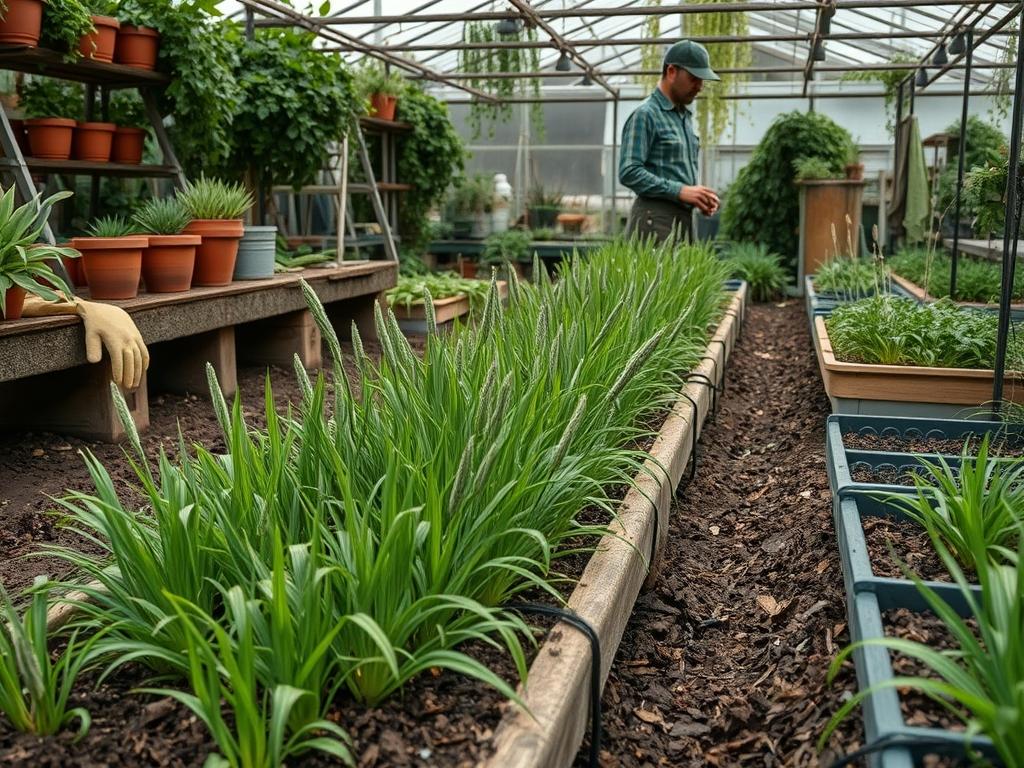
Harvesting garden rye requires a delicate balance between peak culinary quality and maintaining the structural integrity of your outdoor environment. Within a modern landscape, rye serves a dual purpose as both a vibrant, swaying ornamental grass and a functional organic resource. Many homeowners overlook the architectural potential of cereal grains, yet rye adds a texture and movement that few perennials can match. When planning for a harvest intended for flour, you must evaluate the microclimate of your property, ensuring the grain reaches maturity before the heavy summer rains might cause lodging or fungal growth. This harvest is not merely a task of extraction; it is the culmination of a seasonal landscape design that enhances curb appeal through golden hues and vertical density. Integrating grain production into a residential layout requires a focus on drainage, sun orientation, and the aesthetic transition from a lush green meadow to a dried, golden harvest field.
The process of harvesting garden rye for flour begins with understanding the grain life cycle in relation to your local climate. For most temperate zones, rye planted in the autumn as a cover crop will be ready for harvest in late June or early July. The timing is critical because wait times are dictated by the moisture content of the kernel. If you harvest too early, the grain is in the milk stage and will shrivel during drying, resulting in poor flour quality. If you wait too long, the seed heads may shatter, dropping your potential harvest onto the soil and creating a weed problem for the next season. Professional landscaping perspectives suggest that these golden stands should be treated as a seasonal focal point, providing a rustic, meadow-like aesthetic that complements structured hardscaping and clean-edged walkways.
Landscape Design Principles
Successful integration of rye into a formal or informal landscape relies on the principle of elevation layering. As a tall crop reaching between 36 and 60 inches, Secale cereale should be positioned in the rear of planting beds or used as a mid-ground screen to hide utilitarian features like irrigation controllers or utility boxes. By placing these grains behind lower-growing perennials or neat rows of Boxwood, you create a sense of depth and vertical interest. Symmetry can be achieved by flanking a gravel entry path with rectangular beds of rye, which provides a dramatic, rhythmic movement as the wind passes through the stalks.
Focal points are naturally created when the rye begins to turn from a bluish-green to a burnt gold. During this phase, the landscape takes on a soft, ethereal quality. To maintain visual balance, designers often use rye in conjunction with “heavy” materials like Natural Fieldstone or Tumbled Travertine. The contrast between the delicate, whispy grain heads and the solid, unmoving stone creates a professional, high-end look. Furthermore, irrigation planning must ensure that the rye does not receive overhead watering during its final ripening stage, as excess moisture on the heads can cause sprouting or mold, ruining the crop for flour production and diminishing its golden beauty.
Plant and Material Selection
| Plant Type | Sun Exposure | Soil Needs | Water Demand | Growth Speed | Maintenance Level |
| :— | :— | :— | :— | :— | :— |
| Garden Rye | Full Sun | Well-drained | Moderate | Variable | Low |
| Red Clover | Full Sun/Part Sun | Loamy | High | Fast | Moderate |
| Hard Red Wheat| Full Sun | Rich Loam | Moderate | Fast | Moderate |
| Blue Oat Grass| Full Sun | Sandy/Rocky | Low | Slow | Low |
| Hardwood Mulch| N/A | Weed Barrier | N/A | N/A | Annual |
When choosing materials for the rye bed, consider the use of Steel Edging or Cedar Timber to create a sharp definition between the grain and the surrounding turf. This containment prevents the rye from appearing untidy or “weedy” to neighbors. The soil itself should be amended with Organic Compost to a depth of 6 inches before planting, ensuring the rye has the nutrient base needed to produce heavy, flour-rich heads.
Implementation Strategy
Planning the layout of a backyard grain plot requires precision in grading and drainage. Rye does not tolerate “wet feet” and will suffer in low-lying areas of the landscape where water collects. Begin by assessing the slope of your yard. If the area is flat, consider constructing a Raised Bed using Pressure-Treated 2×12 Timbers or Stacked Limestone. This elevation ensures that the root system remains aerated. Once the site is prepared, the seeds should be broadcast or drilled at a depth of 1 to 1.5 inches.
As the rye grows, the implementation of a professional edging strategy is vital. Use a Half-Moon Edger to create a clean trench between the rye and the lawn. This trench should be filled with Dark Espresso Mulch to provide a color contrast that highlights the green of the grain. When the time for harvesting garden rye approaches, you should have a designated staging area on a flat, dry surface, such as a Paver Patio or a Concrete Driveway. This area will be used for threshing and winnowing the grain. By integrating the harvest logic into your hardscape layout, you minimize the mess and ensure that the process of producing flour is as clean and efficient as possible.
Common Landscaping Failures
One of the most frequent mistakes in harvesting garden rye for flour is failing to monitor the “Hard Dough” stage. This occurs when the grain kernel is no longer milky but can still be dented with a fingernail. Professionals often wait until the kernel is “stone hard” to harvest, especially if the landscape is prone to high humidity. Another failure involves improper spacing. Overcrowded rye stalks will compete for light and nutrients, leading to “lodging,” where the tall stalks fall over and mat against the ground. This not only ruins the harvest but also creates an unsightly, disorganized mess in the garden.
Soil compaction is another silent killer of grain quality. If the area has been subjected to heavy foot traffic or construction equipment without proper aeration, the rye will be stunted. To fix this, use a Broadfork to loosen the soil without flipping the layers, preserving the soil microbiome. Finally, many gardeners fail to account for the “post-harvest gap.” Once the rye is cut, the bed is often left bare and brown. To avoid this landscape failure, have a secondary planting of Buckwheat or Summer Annuals ready to be tucked into the stubble immediately after the grain is removed.
Seasonal Maintenance
Spring management of the rye focuses on growth regulation and weed suppression. As the soil warms, the rye will undergo a period of rapid “bolting.” During this time, ensure the Irrigation System is providing consistent moisture, ideally through a Drip Line to keep the foliage dry. In the summer, the focus shifts to the harvest. Monitor the color change of the straw. When the stalks turn completely yellow and the grain heads bow slightly toward the ground, the harvest window has opened. Harvesting garden rye is best done on a dry, breezy afternoon when the dew has fully evaporated.
Autumn is the season for resetting the landscape. After the grain has been processed into flour, the remaining straw can be chopped and used as a Nutrient-Rich Mulch for other areas of the garden. This recycled material helps regulate soil temperature and suppress weeds throughout the winter. If you plan to grow rye again, this is the time to sow the next crop. Winter maintenance is minimal, as the young rye plants will form a low green carpet that protects the soil from erosion and provides a vibrant splash of color against the dormant winter landscape. Use this time to sharpen your Hand Sickle or Scythe in preparation for the next cycle.
Professional Landscaping FAQ
How do I know the rye is ready for flour?
Perform the fingernail test. Squeeze a kernel; if it is hard, dry, and cracks rather than squishing, it has reached the hard dough stage. This typically happens when the straw is golden-yellow and brittle to the touch.
Will harvesting garden rye leave my yard looking messy?
Not if you plan for succession. Immediately after cutting the stalks at a height of two inches, rake the area clean and plant a fast-growing groundcover or apply a fresh layer of Cedar Mulch to maintain a polished appearance.
Does rye require specialized irrigation during its growth?
Rye is drought-tolerant but benefits from consistent moisture during the “boot” stage when heads emerge. However, you must cease all irrigation once the grain begins to transition from green to gold to prevent molding and ensure high-quality flour.
Can I use the leftover straw for my landscape?
Yes, rye straw is an excellent, weed-free mulch for vegetable gardens and flower beds. It provides a clean, aesthetic organic layer that breaks down slowly, improving soil structure and returning carbon to your landscape over several months.
How much space do I need for a meaningful harvest?
A plot of 100 square feet can yield between 5 and 8 pounds of grain. In a landscape, this can be achieved by using a few 4×8 raised beds or a dedicated ornamental border along a fence line.