
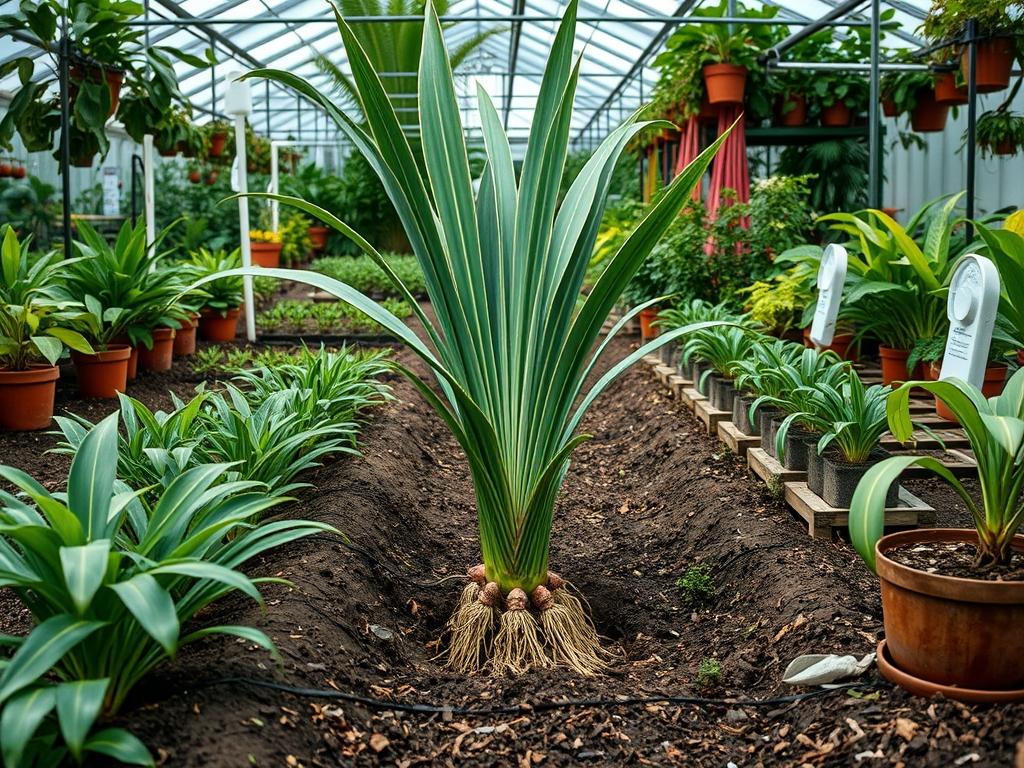
Integrating a productive edible harvest into a luxury landscape requires a sophisticated balance between horticultural utility and aesthetic refinement. When homeowners or developers consider the addition of palm varieties intended for harvest, they often overlook the significant spatial and structural requirements these specimens demand. Achieving the best methods for picking fresh hearts of palm starts long before the harvest; it begins with a site analysis that accounts for thermodynamic microclimates and soil hydrology. In tropical and subtropical zones, palms serve as the architectural backbone of the garden, providing height, texture, and a sense of permanence. However, the specific species used for heart of palm, such as the Bactris gasipaes or the Euterpe edulis, require specific placement to ensure they do not detract from the curb appeal during their growth cycles. A well designed landscape must accommodate the eventual removal of the terminal bud, which in many species results in the death of the individual stem. This unique biological constraint means the landscape architect must plan for successional planting and clump management to maintain visual density while facilitating the harvest.
Outdoor functionality goals for these environments focus on accessibility and maintenance efficiency. A harvestable landscape is only as good as the infrastructure supporting it. If a residential garden is designed with no regard for the physical mechanics of the harvest, the process of picking fresh hearts of palm becomes a destructive chore rather than a graceful component of estate management. We look at the landscape as a living machine where high performance drainage systems and clear access paths allow for the heavy equipment or manual labor necessary to process large palm fronds and trunks. By treating the palm grove as a focal gallery rather than a hidden utility patch, the designer elevates the entire property value.
Landscape Design Principles
In the realm of high end landscape architecture, symmetry and focal points dictate how the eye moves through a space. When incorporating palms for heart of palm production, we often utilize a staggered orchard layout that mimics natural forest distributions while maintaining clean sightlines. Symmetry can be achieved by flanking a central walkway with multi-stemmed palms that provide a consistent canopy height. This creates a rhythmic experience for the pedestrian, where the repetition of trunk textures leads the eye toward a distant focal point, perhaps a water feature or a bespoke stone sculpture.
Elevation layers are critical in a vertical landscape. By planting lower story species like Bromeliads or Zamia nana beneath the towering palm canopy, we create a multi-dimensional environment that feels lush and established. This layering also serves a functional purpose by protecting the soil from direct solar radiation and reducing evaporation rates. Irrigation planning must be integrated into these layers. We typically specify a low-volume drip irrigation system with independent zones. This allows the architect to provide deep saturation for the palms while keeping the surrounding hardscape and ornamental drought-tolerant plants dry.
Walkways must be planned with a minimum width of 48 inches to allow for the transport of harvested materials. Using permeable pavers or stabilized decomposed granite ensures that the ground remains stable during rainy seasons while allowing oxygen to reach the palm root systems. Visual balance is maintained by offsetting the verticality of the palms with horizontal elements, such as low retaining walls or sprawling groundcovers. This prevents the landscape from feeling overly top-heavy and grounds the soaring trunks within the broader site context.
Plant and Material Selection
Selecting the right cultivars is the most important decision in a productive landscape. Not all palms are suitable for heart of palm production, and even fewer are suitable for a polished residential aesthetic. The following table highlights species that balance beauty with harvestability.
| Plant Type | Sun Exposure | Soil Needs | Water Demand | Growth Speed | Maintenance Level |
| :— | :— | :— | :— | :— | :— |
| Bactris gasipaes | Full Sun | Rich, Silty | High | Fast | High (Thorns) |
| Euterpe oleracea | Partial Shade | Boggy, Acidic | Very High | Medium | Moderate |
| Cocos nucifera | Full Sun | Sandy, Saline | Moderate | Medium | Low |
| Dypsis lutescens | Partial Sun | Well-Drained | Moderate | Fast | Moderate |
| Sabals palmetto | Full Sun | Adaptable | Low | Slow | Very Low |
| Chamaerops humilis | Full Sun | Rocky, Dry | Low | Slow | Low |
For a landscape focused on the best methods for picking fresh hearts of palm, the Peach Palm (Bactris gasipaes) is the industry standard because it is multi-stemmed. This allows a gardener to harvest one trunk while the others continue to provide the necessary vertical green element for the property.
Implementation Strategy
The successful implementation of a palm-centric landscape begins with professional grading. Palms are prone to root rot if they sit in stagnant water; therefore, the land must be pitched at a 2 percent slope away from the primary residence and toward a bioswale or drainage basin. Once the grading is finalized, we mark the placement of each specimen according to the master plan. Digging a hole that is two times wider than the root ball is mandatory to provide loose soil for initial root expansion.
Edging provides the clean lines necessary for high end curb appeal. We recommend using 1/4-inch steel edging to create a permanent boundary between the palm mulch beds and the turf areas. Inside these beds, a 3-inch layer of organic cedar mulch should be applied, keeping it at least 6 inches away from the base of the trunk to prevent fungal infections.
Hardscaping should be installed before the final planting phase to avoid soil compaction near the newly installed palms. This includes the installation of 6-inch PVC drainage pipes and low-voltage LED lighting. Proper uplighting on the trunks of palms used for heart of palm production can create a dramatic nocturnal environment, highlighting the unique textures of the bark and the architectural spread of the fronds above.
Common Landscaping Failures
The most frequent failure in these specialized landscapes is improper spacing. Designers often plant for “instant impact,” placing palms too close together. As these trees mature, their root systems compete for the same nutrient pool, leading to stunted growth and poor heart of palm quality. Overcrowded canopies also restrict airflow, which creates a breeding ground for Ganoderma butt rot and other lethal pathogens.
Drainage mistakes are the second most common issue. Many installers fail to check the percolation rate of the soil. In heavy clay environments, a palm hole can act like a bathtub, holding water and suffocating the roots. This is why we insist on perforated drain tiles in the subgrade of all palm-heavy designs.
Soil compaction is another silent killer. During the construction of walkways or retaining walls, heavy machinery often drives over the root zones of existing or future planting sites. This collapses the micropores in the soil, preventing the exchange of gases. To remedy this, we use pneumatic soil excavation or air-spading to loosen the earth without damaging the delicate root structures. Finally, irrigation inefficiencies, such as using overhead spray heads for palms, often lead to trunk staining and crown rot. A dedicated sub-surface drip system is always the superior choice.
Seasonal Maintenance
Seasonal management ensures that the landscape remains both beautiful and productive throughout the year. In the Spring, the focus is on nutrient delivery. We apply a controlled-release fertilizer with an 8-2-12 NPK ratio, fortified with magnesium and manganese to prevent yellowing of the fronds. This is also the time for structural pruning, removing only the dead brown fronds to maintain the palm’s vigor.
Summer maintenance revolves around water management. In periods of extreme heat, the irrigation frequency should be increased to ensure the core of the palm remains hydrated, which is essential for a tender heart of palm harvest. We monitor for pests such as Palmetto Weevils, which can decimate a grove in weeks if left unchecked.
In the Autumn, we reduce nitrogen applications to allow the growth to harden off before any potential cool snaps. This is the ideal window for picking fresh hearts of palm from multi-stemmed varieties, as the plant has stored maximum sugars over the summer. We ensure that the mulch layer is replenished to protect the root zone from temperature fluctuations.
Winter care in zones 9 and 10 involves protecting the apical meristem or “heart” from frost. For sensitive species, wrapping the trunk with frost blankets during record lows can save a multi-year investment. We also clean the irrigation filters during this dormant period to prepare for the spring push.
Professional Landscaping FAQ
How much space does a heart of palm orchard require?
For residential aesthetics, space individual palms at least 15 feet apart. This allows for healthy canopy expansion and ensures enough sunlight reaches the understory plants while providing the architect room to design functional, winding pedestrian pathways throughout the grove.
Can I harvest hearts of palm without killing the tree?
It depends on the species. Single-trunk species like the Sabal palmetto will die upon harvest. However, clumping species like Bactris gasipaes allow you to harvest individual stems while the main root system survives, maintaining your landscape’s visual density and continuity.
What is the best soil pH for palm health?
Most palms thrive in slightly acidic to neutral soil, specifically between 6.0 and 7.0 pH. If your soil is too alkaline, the palm may suffer from micronutrient deficiencies, leading to scorched leaf tips and a loss of overall structural integrity.
How long after planting can I harvest the heart?
In optimal conditions with fast-growing species like the Peach Palm, you can expect a harvest within 3 to 5 years. Proper irrigation and high-quality fertilization protocols are essential to accelerate this timeline while maintaining the lushness required for high-end landscape design.
Do harvested palms need special post-harvest care?
Yes, after removing a stem from a clumping variety, treat the cut with a copper-based fungicide. This prevents pathogens from entering the communal root system and ensures the remaining stems have the resources needed to fill the newly created gap in the canopy.