
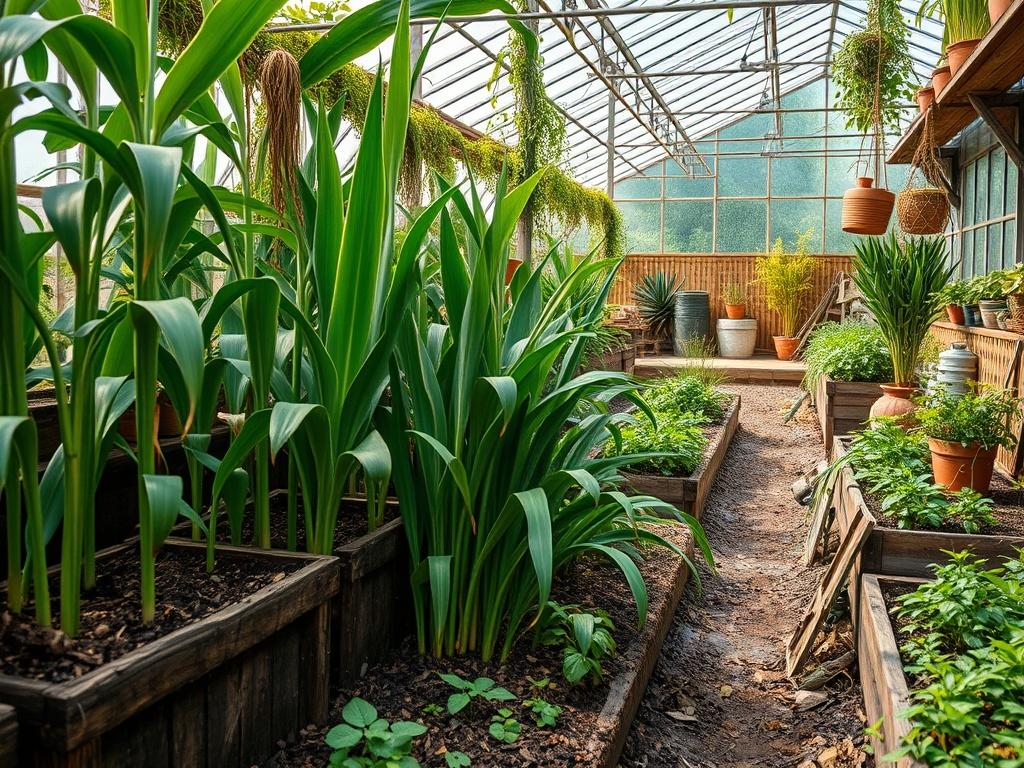
Integrating high-vertical grasses like Saccharum officinarum into a residential landscape provides a dual benefit of structural elegance and a productive harvest. While many homeowners view sugarcane primarily as an agricultural commodity, landscape architects value the species for its ability to create dense, textural privacy screens and rhythmic focal points. Successful integration requires a deep understanding of microclimates and soil hydrology. Because sugarcane thrives in USDA zones 8 through 11, the architectural challenge lies in positioning these tall stalks so they do not overwhelm smaller garden elements. Achieving high-performance curb appeal involves balancing the massive, swaying leaves with stable hardscaping features. When properly implemented, the garden serves as an outdoor living room that offers both seclusion and a seasonal bounty. Functional goals must include easy access for Harvesting Garden Sugarcane, ensuring that the tools and machinery required for pressing do not damage surrounding ornamental plants.
Landscape Design Principles
Site symmetry is often the first consideration when utilizing tall tropical grasses. To prevent a messy or overgrown aesthetic, designers use sugarcane in repeating clusters rather than haphazard lines. This creates a sense of intentionality. Symmetry can be achieved by flanking a Stone Portal or Garden Gate with two identical stands of Red Sugarcane, which adds a pop of burgundy to the vertical plane. Focal points should be established by contrasting the fine-textured leaves of the cane against broad-leafed species like Giant Birds of Paradise or Banana Trees. This creates a layered look that draws the eye upward, making a small backyard feel more expansive.
Elevation layers play a critical role in the architectural depth of the space. Designers typically place sugarcane in the “back of the border” position, where it can reach heights of 10 to 15 feet without obscuring views. The mid-tier should consist of medium-height shrubs, while the foreground should feature low-growing groundcovers like Silver Mound or Liriope. This gradation ensures that the base of the sugarcane, which can become woody and less attractive over time, remains hidden.
Irrigation planning must be precise. Because sugarcane requires significant moisture but cannot tolerate standing water, the design must incorporate a slight 1 to 2 percent Grade to facilitate drainage. Implementing a subterranean Drip Irrigation System ensures that water reaches the deep root systems without wetting the foliage, which can lead to fungal issues. Finally, the inclusion of wide Walkways made of Decomposed Granite or Pavers is vital. These paths provide the necessary clearance for workers to move through the garden during the harvest, carrying heavy stalks to the pressing area without trampling delicate floral displays.
Plant and Material Selection
| Plant Type | Sun Exposure | Soil Needs | Water Demand | Growth Speed | Maintenance Level |
| :— | :— | :— | :— | :— | :— |
| Saccharum officinarum | Full Sun (6+ hours) | Rich Loam, pH 5.5-6.5 | High / Regular | Rapid | Moderate |
| Red Ribbon Cane | Full Sun | Well-Draining Humus | High | Moderate | Moderate |
| Punnandai (Green) | Full Sun | Deep Alluvial Soil | Constant Moisture | Rapid | High |
| Yellow Caledonia | Full Sun | Light Sandy Loam | Moderate | High | Moderate |
| Black Cheribon | Partial to Full Sun | Neutral to Acidic | High | Moderate | Moderate |
For the hardscaping components, select high-quality materials that complement the tropical aesthetic. Basalt Retaining Walls or Cedar Edging work well to contain the spreading rhizomes of the sugarcane. Use Hardwood Double-Shredded Mulch to regulate soil temperature and retain the moisture necessary for high brix (sugar) levels in the stalks.
Implementation Strategy
The planning process begins with a detailed site survey to determine the “sun-track” across the backyard. Sugarcane requires at least six to eight hours of direct light to develop internal sugars. Once the site is selected, the first step is grading the land. Ensure the soil slopes away from any permanent structures or Basements. If the soil is heavy clay, incorporate a 2-inch Layer of Coarse Sand and organic compost to improve porosity.
Edging is the next priority. To prevent the sugarcane from migrating into lawn areas, install a 4-inch Deep Metal Edging or Concrete Curbing. This provides a clean line that defines the garden bed. When planting, space the “seed pieces” or “setts” approximately 3 to 4 feet apart. Each piece should have two to three nodes and be buried 2 to 4 inches deep in a horizontal position.
The harvesting zone requires specific hardscaping logic. Designate a flat, Concrete Pad or a Flagstone Patio near the garden exit for the pressing station. This area must be easy to wash down, as sugarcane juice is sticky and attracts insects. When the time comes for Harvesting Garden Sugarcane, use a sharpened Machete or Long-Handled Loppers to cut the stalks at the very base. Removing the lowest portion of the stalk is crucial because the highest sugar concentration is found near the roots. Once the stalks are cut, use Canvas Work Gloves to strip the leaves. The stalks should then be moved to the pressing area, where a Stainless Steel Roller Press can be used to extract the juice. Proper planning ensures that this process is an integrated part of the garden’s function rather than a chore that disrupts the landscape’s beauty.
Common Landscaping Failures
One of the most frequent mistakes is inadequate drainage. While sugarcane is a thirsty plant, allowing water to pool around the root crown will lead to anaerobic conditions and root rot. If the garden is situated in a low-lying area, the use of Raised Beds or Mounds is a mandatory design intervention. A height of 12 inches above the surrounding grade is usually sufficient to protect the roots.
Improper spacing is another common failure. Homeowners often plant sugarcane too closely, hoping for an immediate screen. This leads to poor air circulation, which encourages pests like the Sugarcane Aphid or Borer. Overcrowded stalks struggle for light, resulting in thinner canes with lower sugar content. Proper spacing of 36 to 48 inches allows each clump to expand naturally and catch the wind without toppling.
Neglecting soil compaction can also stall growth. In high-traffic areas, the soil around the canes can become packed down, preventing oxygen from reaching the roots. Avoid placing heavy Garden Statues or Benches directly over the root zone. Finally, irrigation inefficiencies, such as using overhead sprinklers, can cause leaf rust. Always opt for ground-level water delivery systems.
Seasonal Maintenance
Spring is the season for revitalization. Once the soil temperature reaches 65 degrees Fahrenheit, apply a high-nitrogen Organic Fertilizer to jumpstart vegetative growth. This is also the time to inspect the irrigation lines for leaks or clogs. If you are in a cooler zone, remove any Straw Mulch used for winter protection to allow the sun to warm the earth.
Summer is the primary growth phase. Maintain a consistent 2-inch Water Application per week, especially during heatwaves. Monitor for “suckers” or small shoots that may sap energy from the primary stalks. If the canes begin to lean due to heavy summer storms, use Burlap Twine and Bamboo Stakes to provide temporary structural support.
Autumn is the window for Harvesting Garden Sugarcane. Before the first hard freeze, test the maturity of the cane by snapping a leaf; if it breaks cleanly, the sugars are likely concentrated. After the harvest, the landscape will look bare. This is the perfect time to add Winter Annuals or ornamental kale to the foreground to maintain visual interest.
Winter management focuses on protection. In marginal climates, cut the remaining stalks down to 6 inches and cover the crowns with a thick 8-inch Layer of Mulch or Wood Chips. This insulates the underground rhizomes against frost, ensuring the plant returns the following spring.
Professional Landscaping FAQ
What is the best time for Harvesting Garden Sugarcane?
Harvest in late autumn or early winter, ideally after a light frost but before a deep freeze. This cold snap triggers the plant to convert stored starches into sucrose, maximizing the sweetness and quality of the juice for pressing.
Can I grow sugarcane in a small urban backyard?
Yes, provided you use Large Planters or Stock Tanks with excellent drainage. This limits the spread of the rhizomes and allows you to move the plant into a garage or greenhouse if temperatures drop below freezing in the winter.
How do I prevent the sugarcane from falling over?
Install Submerged T-Posts and a discreet Wire Trellis System behind the stalks. As the cane grows, gently tie the bundles to the wire using Green Garden Tape, which blends with the foliage while providing essential wind resistance.
Does harvesting sugarcane ruin the following year’s growth?
No, sugarcane is a perennial grass. Cutting the stalks at ground level actually encourages the “ratoon” crop to emerge. This second and third year of growth often results in a denser, more robust stand of cane than the initial planting.
What is the best way to clean a sugarcane press?
Use a mixture of Warm Water and White Vinegar immediately after use. Since the juice contains high levels of natural sugar, it will ferment and harden quickly, potentially damaging the Internal Gears and attracting unwanted pests to the garden area.