
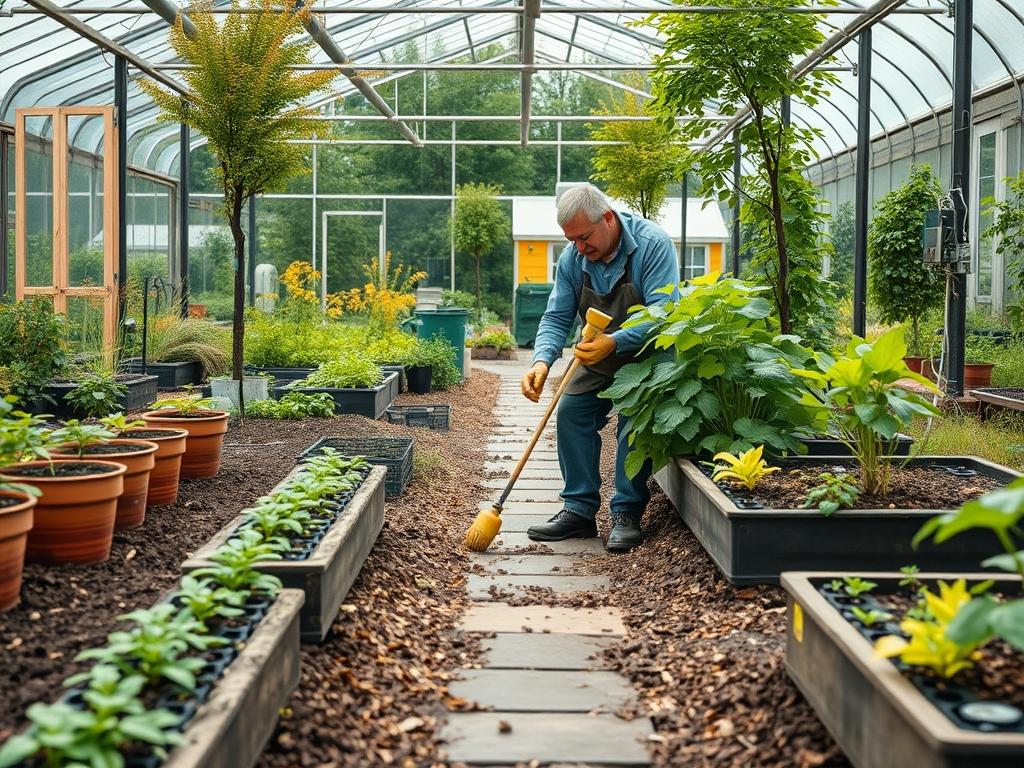
Integrating a functional sugar bush into a residential or commercial estate requires a sophisticated balance between aesthetic appeal and utility. When homeowners transition from standard gardening to the specialized task of picking fresh maple sap, the landscape must evolve to support heavy foot traffic, equipment transport, and the biological needs of the trees. A well-designed landscape does more than just look beautiful; it provides a stable environment where Sugar Maples can thrive for decades. This involves careful consideration of the local microclimate, as maples require consistent freeze-thaw cycles and specific soil moisture levels to produce high-quality sap. Designing for this seasonal harvest means creating a layout that remains navigable during the muddy spring thaw, when the ground is most vulnerable to compaction. Curb appeal is often enhanced by the majestic canopy of mature maples, but the true value lies in the outdoor functionality of a yard that works for the owner during every season.
The primary landscaping challenge in these environments is the management of soil health and drainage. Because maples are sensitive to “wet feet” yet require consistent hydration, the site must be graded to move water away from the root flare while maintaining an adequate water table for the subterranean root system. Strategic placement of Retaining walls and French drains can mitigate erosion on sloped properties, ensuring that the area around the trees remains stable during the heavy rain and snowmelt associated with the tapping season. Furthermore, the aesthetic impact of these trees cannot be overstated. A mature maple serves as a singular focal point, anchoring the entire backyard design. By planning for the harvesting process, we integrate utility into the high-end landscape, transforming a simple wooded lot into an artisanal production space.
Landscape Design Principles
Effective landscape design for sap production relies on the principle of accessibility mixed with visual symmetry. When planning the placement of trees, a designer must consider the ultimate spread of the canopy, which can reach 50 feet or more. For smaller estates, focal points should be established using individual specimen trees, while larger properties can utilize a staggered grid to create a “forest edge” effect. This approach provides a natural look while allowing for clear, unobstructed lanes for picking fresh maple sap. Elevation layers are equally important. Low-growing shrubs and groundcovers should be kept away from the base of the trees to ensure collectors have easy access to buckets or vacuum lines.
Irrigation planning must be precise. While mature maples are generally hardy, younger saplings intended for future tapping require supplemental water during dry summer months to build the carbohydrate reserves necessary for sap production. Walkways should be planned using permeable materials like Crushed stone or Decomposed granite. These materials allow water to penetrate the soil rather than running off, which supports the tree’s health while providing a slip-resistant surface for technicians. Visual balance is achieved by offsetting the heavy, vertical presence of the maples with horizontal elements such as low stone walls or linear garden beds filled with Native ferns and Heuchera.
Plant and Material Selection
Selecting the right components for a productive landscape involves more than just picking the tree species. The following table outlines the essential flora and materials required to support a healthy maple-centric environment.
| Plant or Material Type | Sun Exposure | Soil Needs | Water Demand | Growth Speed | Maintenance Level |
| :— | :— | :— | :— | :— | :— |
| Sugar Maple | Full Sun to Partial Shade | Well-drained, Deep Loam | Medium | Slow to Moderate | Low Once Established |
| Red Maple | Full Sun | Tolerates Wet Soil | High | Moderate | Low |
| River Birch | Full Sun | Prefers Acidic, Moist | High | Fast | Moderate |
| River Rock (1-3 inch) | N/A | N/A | N/A | N/A | Very Low |
| Shredded Cedar Mulch | N/A | N/A | N/A | N/A | Annual Replacement |
| Winterberry Holly | Full Sun to Partial Shade | Moist, Acidic | High | Moderate | Low |
| Hostas | Shade to Partial Sun | Rich, Organic | Medium | Fast | Low |
Implementation Strategy
The first step in a professional backyard layout is site grading. Before any trees are planted or paths are laid, the land must be contoured to ensure a 2 percent pitch away from structures and harvesting zones. This prevents the formation of ice or sludge during the critical weeks of picking fresh maple sap. Once the grading is complete, professional edging should be installed to define the boundaries between turf, mulch beds, and walkways. Using Steel edging or Belgian block provides a clean, permanent line that prevents grass from encroaching on the root zones of the maples.
Next, focus on the sub-base for any hardscaping. For paths that will support the weight of sap collection carts, a 6 inch layer of compacted 3/4 inch minus crushed stone is necessary. This provides a stable foundation that resists heaving during frost cycles. When planting the maples, the hole should be twice as wide as the root ball but no deeper, ensuring the root flare remains visible at the soil surface. After planting, apply a 3 inch layer of Pine bark mulch around the base, keeping it several inches away from the trunk to prevent rot. This mulch helps regulate soil temperature and retains moisture, both of which are critical for sap sugar concentration. Finally, ensure that any drainage solutions, such as Perforated pipe or Catch basins, are integrated seamlessly into the plant beds to keep the aesthetic clean and professional.
Common Landscaping Failures
One of the most frequent mistakes in landscape planning is poor drainage management. When water pools around the base of a maple, it leads to root rot and diminished sap quality. Compaction is another silent killer. Heavy machinery used during construction can compress the soil, stripping it of the oxygen pockets required for root respiration. To fix this, professional aeration or the use of an Air-spade may be required to loosen the earth without damaging the root structure. Proper spacing is often ignored in the interest of immediate curb appeal. Planting trees too close together leads to root overcrowding and competition for nutrients, which eventually stunts the growth of the entire stand.
Irrigation inefficiencies also plague many properties. Over-watering can be just as detrimental as under-watering; it encourages shallow root systems that are susceptible to drought. Furthermore, the use of heavy, non-permeable landscape fabric under mulch can prevent the soil from breathing properly. Instead, use a high-quality Geotextile fabric only under hardscape elements. Lastly, many owners fail to account for the proximity of septic lines or underground utilities. Maple roots are opportunistic and will seek out moisture, potentially damaging pipes if they are planted within 20 feet of such systems.
Seasonal Maintenance
Spring is the most active season for the maple landscape. This is the primary time for picking fresh maple sap, meaning foot traffic is at its peak. Once the season ends, inspect the soil for compaction and re-apply mulch where it has thinned. Summer maintenance focuses on hydration. During periods of heat, use a Soaker hose to provide deep, infrequent watering that encourages deep root growth. Pruning should be kept to a minimum, focusing only on dead or crossing branches to maintain the tree’s structural integrity.
Autumn is the season for soil amendments and preparation. Testing the soil pH is vital; maples thrive in slightly acidic conditions, usually between 5.5 and 6.5. If the soil is too alkaline, an application of Elemental sulfur can help bring levels down. As leaves fall, they can be shredded and added back to the mulch beds to provide organic matter. Winter maintenance is largely passive, but protection is key. Avoid using salt on walkways near the trees, as sodium buildup in the soil is toxic to maples. Instead, use Sand or Calcium magnesium acetate for ice melt to ensure the health of the trees remains intact for the next spring harvest.
Professional Landscaping FAQ
What is the best soil pH for maples?
Maples prefer slightly acidic soil with a pH between 5.5 and 6.5. If your soil is too alkaline, the trees may suffer from chlorosis, characterized by yellowing leaves. Use Aluminum sulfate or Sulfur to adjust the acidity levels annually.
How much mulch should I use around my trees?
Apply a layer of Organic mulch approximately 3 inches deep. It should extend out to the drip line of the canopy if possible. Always ensure the mulch does not touch the tree trunk, as this can trap moisture and cause fungal infections.
Can I plant maples near my driveway?
It is generally discouraged to plant large maples within 15 feet of a driveway or sidewalk. The aggressive root systems can lift Concrete or Asphalt as they grow. Instead, use these areas for smaller shrubs or non-invasive groundcovers that tolerate salt.
What is the best way to handle poor drainage?
Install a French drain or a Dry creek bed using River rock. These features direct excess surface water away from the root zones. Proper grading during the initial design phase is the most effective way to prevent long-term drainage issues.
How often should I prune my maple trees?
Structural pruning should occur every 3 to 5 years. Focus on removing deadwood and thinning the inner canopy to improve airflow. Avoid pruning in late winter or early spring, as the high sap pressure will cause the tree to “bleed” excessively.