
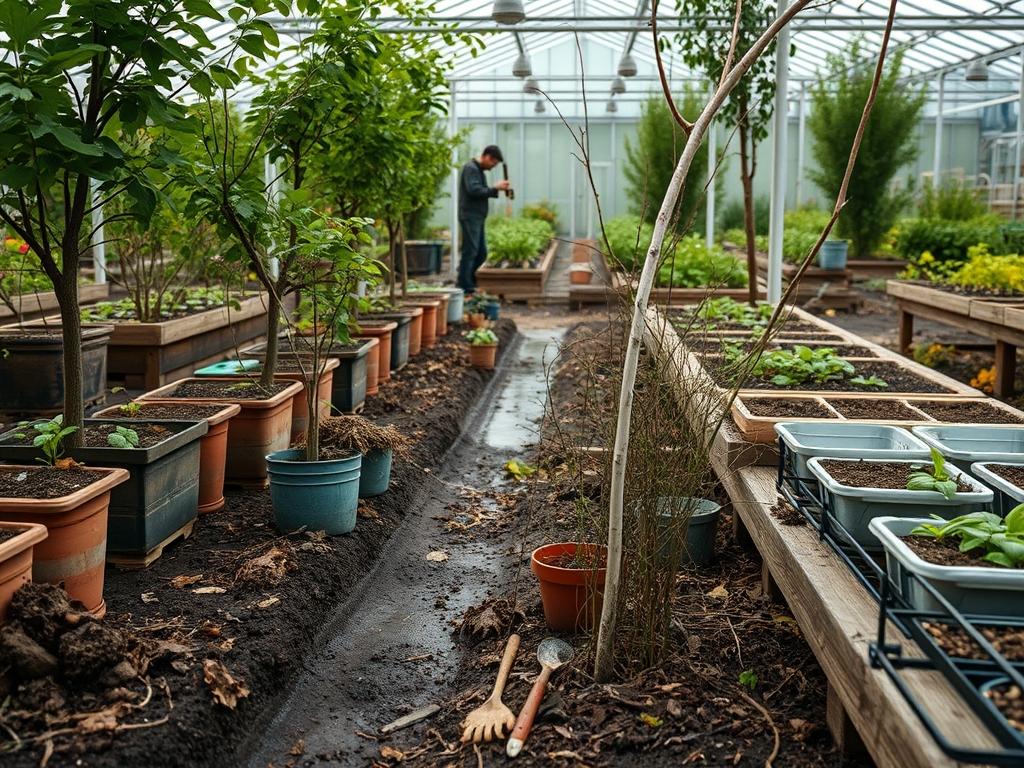
Integrating the majestic Paper Birch or Sweet Birch into a residential landscape requires a sophisticated understanding of both aesthetic architecture and biological utility. As a landscape architect, I view these trees not merely as ornamental features with striking bark, but as functional components of a productive edible landscape. Harvesting garden birch sap represents the culmination of a well executed planting strategy, where the environment is optimized for high yield and tree health. The primary challenge in residential settings is balancing the shallow, water hungry root systems of the Betula genus with the structural requirements of patios, walkways, and drainage systems. To succeed, one must respect the specific climate demands of these species, which generally thrive in USDA zones 2 through 7. A properly sited birch grove enhances curb appeal through vertical rhythm and texture while serving as a seasonal source of nutrient rich sap.
When planning for sap production, the landscape must accommodate the physical process of harvesting without compromising the outdoor living experience. This means ensuring that trees intended for tapping are positioned with sufficient clearance for collection vessels and foot traffic, while also maintaining their role as focal points within the garden hierarchy. The placement should consider the progression of the seasons, as the sap flow begins in late winter or early spring when ground conditions are often saturated. Proper grading and the installation of stable, permeable walkways are essential to prevent soil compaction around the delicate root zones during the harvest window.
Landscape Design Principles
In the realm of high end landscape design, the birch tree is often utilized to create a sense of airy transparency. Unlike denser hardwoods, birches allow dappled sunlight to reach the understory, making them ideal for multi layered planting schemes. Symmetry is rarely the goal when working with these species; instead, we aim for naturalistic groupings that mimic forest succession. Positioning a trio of Betula papyrifera as a focal point in a backyard creates a compelling visual anchor that draws the eye upward, highlighting the contrast between the white bark and the deep greens of evergreen shrubs.
Elevation and layering play critical roles in a productive garden layout. We often place birches on slight rises or near the top of gentle slopes to ensure that their roots remain moist but never waterlogged. This positioning also helps in the sap collection process, as gravity can assist in the layout of modern tubing systems if a larger grove is being managed. Lighting should be planned to illuminate the distinctive bark from below, using low voltage LED uplights, which adds dramatic nocturnal interest without disturbing the physiological cycles of the tree. Furthermore, irrigation planning must be precise. Because birches have shallow roots, they are the first to show stress during a drought. A dedicated drip irrigation zone for the birch grove ensures consistent moisture, which is vital for the hydraulic pressure required for a successful spring sap run.
Plant and Material Selection
The success of a harvesting garden depends heavily on selecting the right cultivars and supporting materials. The following table outlines the specifications for common birch species and companion plants used in professional landscape installations.
| Plant Type | Sun Exposure | Soil Needs | Water Demand | Growth Speed | Maintenance Level |
| :— | :— | :— | :— | :— | :— |
| Paper Birch | Full Sun | Acidic, Moist | High | Fast | Moderate |
| River Birch | Sun / Part Shade | Wet, Clay | Very High | Fast | Low |
| Sweet Birch | Full Sun | Rich, Loamy | Medium | Moderate | Moderate |
| Yellow Birch | Part Shade | Cool, Moist | High | Slow | High |
| Red Osier Dogwood | Sun / Part Shade | Wet | High | Fast | Low |
| Japanese Forest Grass | Shade | Moist, Rich | Medium | Slow | Low |
For the hardscaping elements surrounding these trees, we recommend using natural flagstone or permeable pavers. These materials allow for gas exchange and moisture penetration, which prevents the soil compaction that often leads to birch decline. When selecting mulch, a shredded cedar or hardwood bark mulch is preferred. It should be applied at a depth of 3 inches but kept several inches away from the trunk to prevent fungal issues and preserve the integrity of the tapping site.
Implementation Strategy
Executing a backyard layout that facilitates harvesting garden birch sap requires a phased approach. First, determine the grading of the site. Birches require excellent drainage to avoid root rot, yet they need constant access to moisture. If the site is flat, consider creating a slight berm using a mix of loam and compost. Once the trees are sited, typically spaced 15 to 20 feet apart to allow for canopy expansion, the irrigation lines should be buried. Use 1/2 inch poly tubing for the main lines and emitters at the drip line of each tree.
For the tapping process itself, the implementation strategy involves professional grade tools. You will need a cordless drill with a 5/16 inch drill bit or a 7/16 inch drill bit, depending on the size of your spiles. The hole should be drilled approximately 1.5 to 2 inches deep at a slight upward angle to allow gravity to pull the sap outward. This task is best performed when daytime temperatures rise above freezing while nighttime temperatures remain below 32 degrees Fahrenheit. To protect the tree, use food grade plastic or stainless steel buckets with lids to keep out debris and insects. After the harvest, which usually lasts two to four weeks, the spiles are removed, and the tree is allowed to seal the wound naturally. Professional landscape consultants advise against plugging the holes with dowels, as this can trap decay causing bacteria inside the trunk.
Common Landscaping Failures
The most frequent mistake in birch management is improper drainage. While birches like water, “wet feet” in stagnant soil will lead to the death of the fine root hairs responsible for nutrient uptake. Another common failure is root overcrowding. Many homeowners plant birches too close to foundations or retaining walls. As the tree matures, the aggressive root system can exert pressure on hardscaping, leading to cracked concrete or shifted stones. A minimum distance of 10 to 15 feet from any permanent structure is recommended.
Soil compaction is another silent killer. Heavy foot traffic over the root zone during the spring harvest can compress the soil pores, cutting off oxygen to the roots. To mitigate this, design the landscape with designated paths using mulch or crushed stone. Finally, many gardeners fail to monitor for the Bronze Birch Borer. This pest targets stressed trees, particularly those in hot, dry environments. Maintaining a cool, moist root zone with adequate mulch depth is the best defense against infestation. If a tree is stressed, its sap production will decrease significantly, and the quality of the harvest will suffer.
Seasonal Maintenance
Seasonal care is what ensures the longevity of your harvest. During the spring, the focus is entirely on the tapping window and monitoring for the first signs of leaf bud break, which signals the end of the sap season as the flavor becomes bitter. This is also the time to inspect irrigation emitters for clogs. In the summer, the priority shifts to hydration. High temperatures require deep watering sessions twice a week if rainfall is insufficient. Use a soaker hose for at least 30 minutes per tree to ensure the water reaches the lower root profiles.
Autumn maintenance involves the application of a slow release, low nitrogen fertilizer if soil tests indicate deficiencies. However, avoid over fertilizing, as excessive nitrogen can promote weak, sappy growth that is susceptible to winter damage. Replenish the mulch to insulate the roots against many freeze thaw cycles. In winter, perform structural pruning. Remove any crossing or dead branches using bypass pruners or a pruning saw. This is also the time to clean and sanitize all tapping equipment, such as spiles and buckets, using a mild bleach solution to ensure they are ready for the upcoming spring run.
Professional Landscaping FAQ
What is the minimum tree size for harvesting garden birch sap?
A birch tree should be at least 10 inches in diameter at breast height before you consider tapping. Tapping younger, smaller trees can stunt their growth and compromise their structural integrity within the landscape design.
Does tapping the tree hurt its long term growth?
When performed correctly with a 5/16 inch bit, tapping removes less than 10 percent of the tree’s total sap. This is a sustainable practice that does not harm a healthy, well maintained tree provided the holes are allowed to heal.
Can I tap a River Birch for sap?
Yes, River Birch trees produce sap, though it is often thinner and less sweet than the sap from a Paper Birch or Sweet Birch. They are excellent choices for wetter areas of the garden where other birches might struggle.
How do I prevent the sap from spoiling in the garden?
Sap is highly perishable. It should be collected daily from the food grade buckets and kept cold. If temperatures in the garden rise, the sap can ferment quickly, so immediate processing or refrigeration is required to maintain quality.
What mulch is best for birch trees?
An organic, shredded wood mulch is superior to stone or rubber options. It keeps the soil cool and adds organic matter as it decomposes, which mimics the natural forest floor environment necessary for high quality Harvesting Garden Birch Sap.