
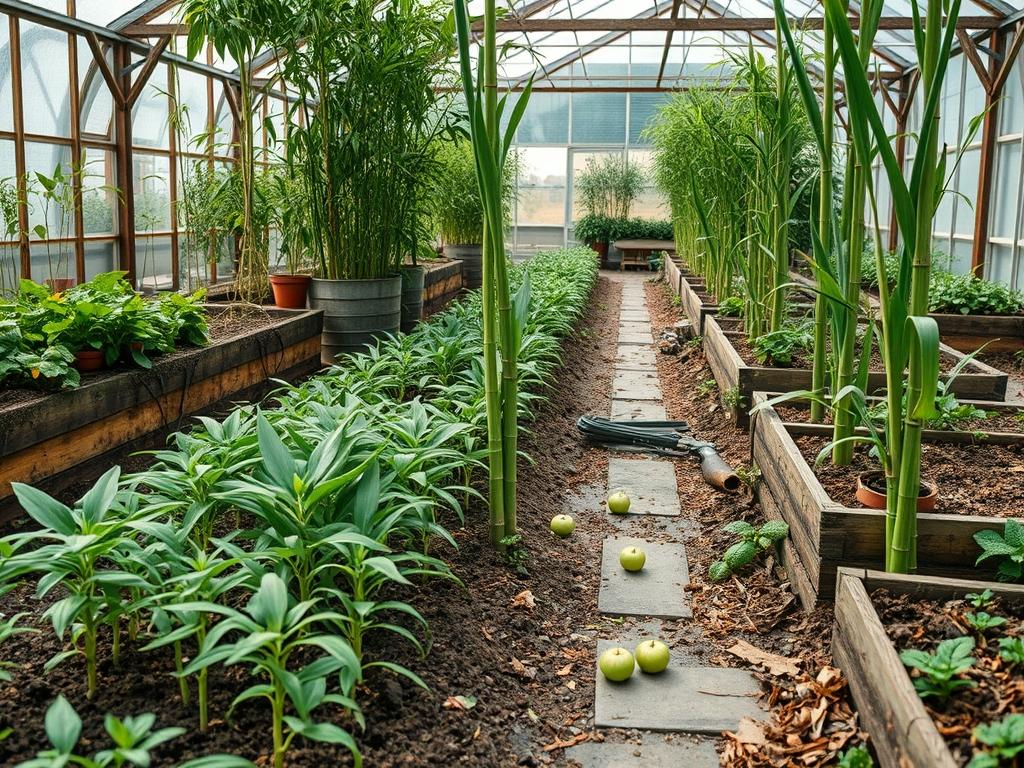
Integrating bamboo into a residential or commercial landscape offers a unique set of aesthetic rewards and logistical challenges. As a structural element, bamboo provides unparalleled verticality and density, serving as a living privacy screen that rustles pleasantly in the wind. However, the management of this vigorous grass requires a disciplined approach, especially when the goal involves Harvesting Garden Bamboo Shoots for culinary or maintenance purposes. A well-placed bamboo grove can increase curb appeal significantly by offering a lush, tropical atmosphere even in temperate climates, but without a strategic plan, it can quickly overwhelm a property. The key to success lies in balancing the plant’s aggressive growth with a rigorous harvesting schedule that doubles as a safety-conscious thinning process.
In most climate zones, the emergence of new shoots is a seasonal event that signals the need for active landscape intervention. From a functional perspective, your bamboo should never be allowed to dictate the boundaries of your outdoor living space. Instead, the architect must design-in the limitations through the use of hardscaping and physical barriers. When you approach the grove for the purpose of Harvesting Garden Bamboo Shoots, you are not merely gathering food; you are conducting a vital thinning operation that prevents the stand from becoming a dense, impenetrable thicket. This duality of purpose ensures that the grove remains a healthy, airy focal point rather than a dark, cluttered corner of the yard.
Landscape Design Principles
Successful bamboo integration relies on the principle of containment and visual balance. Because bamboo stems, known as culms, grow vertically with extreme speed, they can easily disrupt the symmetry of a garden if left unchecked. A professional designer uses focal points to draw the eye away from the dense base of the plant toward the leafy canopy. This is often achieved by under-planting the bamboo with vibrant, low-light species that create a layered elevation effect. By varying the heights of surrounding vegetation, you can soften the transition from the ground plane to the towering bamboo stalks.
Irrigation planning is another critical design pillar. Bamboo requires consistent moisture to produce high-quality shoots, yet it is susceptible to root rot if the soil becomes boggy. Grading the site to ensure an 1 percent to 2 percent slope away from the center of the grove allows for proper drainage while maintaining the necessary hydration levels. Furthermore, the inclusion of dedicated walkways made of Crushed Granite or Flagstone provides clear access routes for maintenance. These paths are not just for aesthetics; they provide a stable, level surface for the gardener to stand on while using sharp tools, which is a fundamental safety consideration. Visual balance is maintained by thinning the interior of the grove, a process that allows light to penetrate the center and encourages the growth of thicker, more desirable shoots.
Plant and Material Selection
Selecting the right species and the correct installation materials is the foundation of a low-maintenance bamboo garden. The following table highlights common choices for a harvest-ready landscape.
| Plant Type | Sun Exposure | Soil Needs | Water Demand | Growth Speed | Maintenance Level |
| :— | :— | :— | :— | :— | :— |
| Moso Bamboo | Full Sun | Loamy/Acidic | High | Extreme | High |
| Sweetshoot Bamboo | Full Sun | Well-drained | Moderate | Fast | Moderate |
| Yellow Groove | Partial Shade | Rich/Moist | Moderate | Fast | High |
| Fargesia Nitida | Shade | Humus-rich | High | Slow | Low |
| Arrow Bamboo | Partial Shade | Any/Robust | Moderate | Medium | Moderate |
In addition to the plants themselves, the choice of containment material is vital. For running varieties, a 60-mil HDPE Root Barrier installed to a depth of 24 inches is the industry standard. This barrier should protrude 2 inches above the soil line to prevent rhizomes from jumping over the top. Using high-quality Organic Cedar Mulch at a depth of 3 inches helps retain moisture and keeps the soil temperature stable, which is essential for the healthy development of new shoots.
Implementation Strategy
The transition from a blueprint to a thriving garden requires a step-by-step approach focused on soil health and physical safety. First, the area must be cleared of debris and graded to ensure that water does not pool near the root ball. If you are planting in a high-traffic area, consider installing a French Drain adjacent to the bamboo to manage heavy rainfall. Once the site is prepared, the placement of the bamboo should follow the “rule of thirds” to ensure it complements the existing architecture.
When the season for Harvesting Garden Bamboo Shoots arrives, usually in the spring, the gardener must use the correct tools to ensure both plant health and personal safety. A Japanese Hori-Hori Knife or a Sharp Spade is necessary to slice through the soil and detach the shoot from the mother rhizome. Before digging, always check for the location of underground utility lines; even a shallow harvest can interfere with shallow-buried cables. The implementation of a “harvesting zone” which is kept clear of mulch during the peak weeks allows the gardener to see the shoots as they break the surface, preventing accidental trips and falls. Proper edging with Steel Edging or Pressure-Treated Timber helps define these zones and prevents the bamboo from creeping into lawn areas.
Common Landscaping Failures
One of the most frequent errors in bamboo management is the failure to install an adequate root barrier. Without a vertical plastic or concrete shield, running bamboo will quickly colonize the entire landscape, leading to root overcrowding and soil compaction. This compaction starves the plants of oxygen and makes it nearly impossible to harvest shoots safely, as the soil becomes like concrete. Another common failure is improper spacing; planting culms too close together prevents air circulation, which can lead to fungal infections and pest infestations like Bamboo Mealybugs.
Irrigation inefficiencies also plague many garden designs. Over-watering can lead to “soggy feet,” while under-watering during the shoot season results in woody, inedible harvests. Furthermore, many homeowners neglect the safety aspect of tool maintenance. Using a dull Cane Cutter or Machete increases the risk of the tool glancing off the hard silica-rich surface of the bamboo and causing injury. Finally, neglecting to wear Kevlar-reinforced Gloves and Steel-toed Boots during the harvest is a significant oversight, as the discarded leaf sheaths of some species are remarkably sharp and can cause painful abrasions.
Seasonal Maintenance
Managing a bamboo grove is a year-round commitment that changes with the weather. In the spring, the focus is entirely on the harvest. This involves daily inspections of the ground to find shoots that have reached a height of 6 inches to 10 inches, which is the ideal size for most culinary uses. During this time, it is crucial to remove any dead or dying culms to make room for new growth. This thinning process improves the aesthetic “transparency” of the grove, allowing you to see through the stalks to the landscape beyond.
By summer, the new culms will have reached their full height, and the focus shifts to hydration and pest control. Use a Soaker Hose to provide deep, infrequent watering that encourages deep root growth. In autumn, the gardener should apply a fresh layer of Composted Manure or Nitrogen-rich Fertilizer to prepare the plants for the following year. This is also the time to inspect the root barriers to ensure no rhizomes have escaped. During winter, maintenance is largely structural. Heavy snow or ice can bend bamboo stalks to the ground; it is important to gently shake off the accumulation to prevent the culms from snapping. If a culm does break, it must be removed using a Pruning Saw to maintain the safety and visual integrity of the garden.
Professional Landscaping FAQ
What is the best time of day for harvesting?
The early morning is the most effective time for Harvesting Garden Bamboo Shoots. The ground is typically cooler, and the shoots retain higher moisture levels, making them easier to cut cleanly with a Sharp Spade or Garden Knife.
How do I prevent bamboo from spreading to my neighbor?
Install a 60-mil HDPE Root Barrier at a depth of 24 inches around the entire perimeter. Ensure the barrier slants outward at the top and protrudes 2 inches above the soil to catch any wandering rhizomes early.
Which bamboo species are best for small urban gardens?
For confined spaces, choose clumping varieties like Fargesia Robusta or Bambusa multiplex. These species grow in tight mounds and do not require the extensive underground barriers that running species need to stay contained within small footprints.
Is it safe to harvest shoots from a newly planted grove?
It is professionally recommended to wait at least 2 to 3 years after planting before you begin harvesting. This allows the root system to establish itself firmly, ensuring the plant has enough energy to produce sustainable growth.
Do I need special protective gear for bamboo maintenance?
Yes, always wear Safety Glasses, Heavy-duty Gloves, and Long Sleeves. Bamboo leaves and culm sheaths can be surprisingly sharp, and the density of the grove often requires reaching into tight spaces where eye protection is vital.