
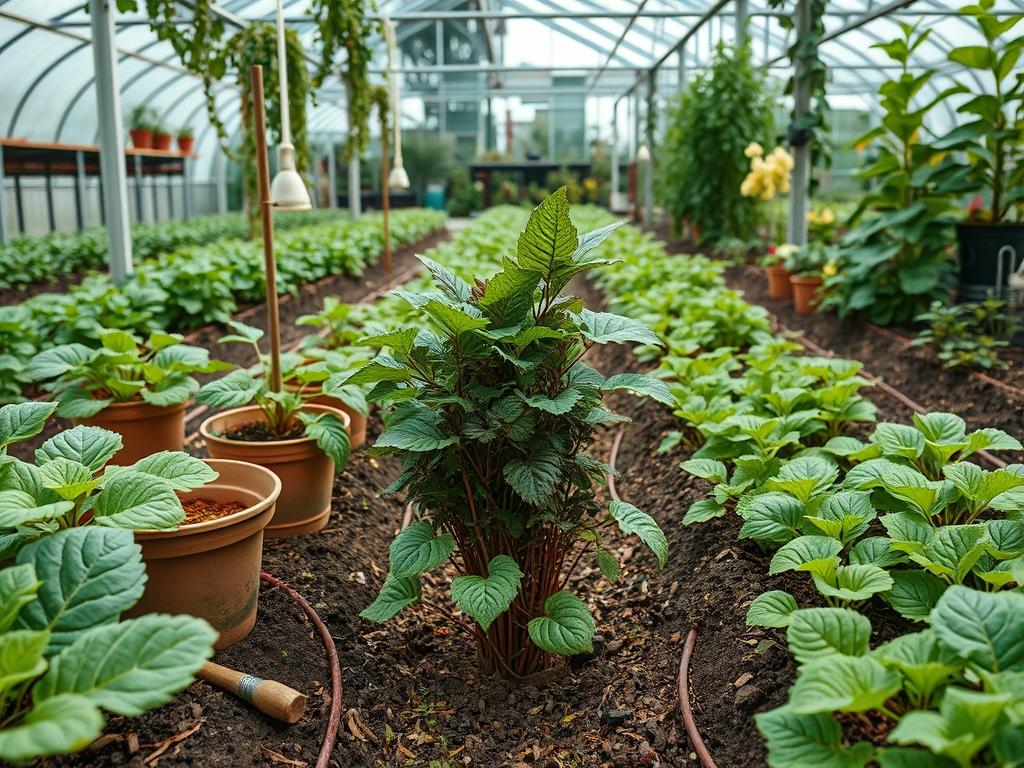
Integrating edible components into a high-end residential landscape requires a sophisticated balance between aesthetic appeal and functional harvest. Homeowners increasingly demand “foodscaping” solutions that offer more than just a green lawn; they desire a multi-sensory environment where the beauty of the plants justifies their place in the formal design. Among the most versatile choices for this role is amaranth. This plant provides striking verticality and vibrant colors ranging from deep burgundy to lime green. The act of picking fresh amaranth leaves is common in world cuisine because of the plant’s high nutritional value and heat tolerance. From an architectural perspective, amaranth serves as a structural element that maintains its form even in the peak of summer. Achieving this balance involves a deep understanding of site orientation, soil physics, and the specific microclimates of a backyard space. A successful design ensures that the culinary utility of the garden does not detract from the clean lines and curb appeal of the property.
Climate considerations are the first hurdle in any professional landscape plan. Amaranth is a C4 carbon fixation plant, which means it thrives in high temperatures and high light intensities where other leafy greens, such as spinach or lettuce, might wilt and bolt. This makes it an essential tool for landscape architects working in hardiness zones 5 through 10. In a well-designed outdoor environment, these plants are often positioned in the full sun regions of the yard to act as a living screen or a bold backdrop for lower-profile perennials. By selecting varieties that are as ornamental as they are edible, the designer creates a space that transitions seamlessly from a formal garden to a functional kitchen resource. This duality is the cornerstone of modern outdoor living.
Landscape Design Principles
Effective landscape design relies on principles of symmetry and focal points to guide the eye through the environment. When incorporating tall, leafy species like amaranth, the concept of elevation layers becomes critical. Typically, we organize plantings into three distinct heights: the foreground, the mid-ground, and the background. Amaranth, often reaching heights of 3 feet to 8 feet, serves as an exceptional mid-ground or background anchor. By placing it behind lower-growing herbs like thyme or oregano, a designer creates a layered effect that adds depth to the garden bed. This verticality provides a sense of enclosure, which can make a large, open backyard feel more private and intimate.
Visual balance is achieved through the repetition of color and texture. The broad, serrated leaves of the amaranth plant offer a coarse texture that contrasts beautifully with the fine, needle-like foliage of lavender or rosemary. Lighting also plays a role in focal point planning. When backlit by the morning or evening sun, the translucent leaves of red amaranth varieties glow with an internal radiance, creating a dramatic silhouette that enhances the overall mood of the landscape. Walkway planning should ensure that these edible features are accessible. Placing them within an easy 24-inch reach of a stone path allows the homeowner to engage in picking fresh amaranth leaves without stepping into the mulch or disrupting the irrigation lines.
Plant and Material Selection
The success of an edible landscape depends heavily on selecting the right species for the specific soil and light conditions of the site. Below is a breakdown of common plants used in these integrated designs.
| Plant Type | Sun Exposure | Soil Needs | Water Demand | Growth Speed | Maintenance Level |
| :— | :— | :— | :— | :— | :— |
| Amaranth (Red Garnet) | Full Sun | Well-drained, Loamy | Moderate | Fast | Low |
| Swiss Chard (Bright Lights) | Full to Partial | Rich Organic Matter | High | Medium | Moderate |
| Tuscan Kale (Lacinato) | Full to Partial | Nitrogen-rich | Moderate | Medium | Moderate |
| Artichoke (Globe) | Full Sun | Sandy Loam | Moderate | Slow | High |
| Asian Greens (Tatsoi) | Partial Shade | Moist, Well-drained | High | Fast | Low |
| Sweet Basil (Genovese) | Full Sun | Well-drained | Moderate | Fast | Moderate |
In addition to plant material, the choice of hardscape and mulch affects the health of the garden. For a professional finish, black cedar mulch or dark pine bark provides a high-contrast base that makes the colors of the foliage pop. Sub-surface drip irrigation is the preferred method for water delivery, as it minimizes moisture on the leaves, which can lead to fungal issues in dense plantings.
Implementation Strategy
The transition from a design on paper to a physical garden requires a step by step approach to grading and soil preparation. First, the site must be cleared of existing turf and debris. A professional grade should be established to ensure that water moves away from the foundation of the home and toward designated drainage areas or rain gardens. If the soil is heavy clay, the addition of 3 inches of organic compost tilled to a depth of 8 inches is necessary to improve aeration and drainage.
Once the soil is prepared, the layout is marked using a landscape marking spray or masonry string. We prioritize the installation of hardscape elements first, such as flagstone paths or retaining walls. Edging is then installed to define the beds; 14-gauge steel edging provides a clean, modern look that prevents grass from encroaching into the edible zones. When planting amaranth, space the seedlings 12 to 18 inches apart. This spacing allows for adequate airflow, which is vital for preventing powdery mildew. After planting, a 2-inch to 3-inch layer of mulch is applied, making sure to keep the material a few inches away from the stems of the plants to avoid rot.
Common Landscaping Failures
One of the most frequent mistakes in backyard planning is a failure to account for root overcrowding. When plants are placed too closely together to achieve an immediate full look, they quickly compete for nutrients and water. This competition results in stunted leaf production, which defeats the purpose for those interested in picking fresh amaranth leaves for consumption. Proper spacing as per the landscape architect’s specifications is essential for long-term health.
Irrigation inefficiencies also plague many residential gardens. Over-watering is just as damaging as under-watering. Soil compaction, often caused by heavy foot traffic during the construction phase, prevents water from reaching the root zone. To mitigate this, we use aeration tools or broadforks to loosen the soil before any planting occurs. Furthermore, neglecting the “grading” of the site can lead to standing water. In edible landscapes, standing water is particularly dangerous as it can harbor pathogens and drown the root systems of sensitive species like rosemary or sage.
Seasonal Maintenance
Landscape management is an ongoing process that changes with the calendar. In the spring, the focus is on soil preparation and the installation of summer annuals. This is the time to check the irrigation system for leaks and to ensure that the timers are set correctly for the increasing temperatures. As the season progresses into summer, maintenance shifts to “pinching back” plants. For amaranth, harvesting the top few inches of growth encourages the plant to branch out rather than growing into a single tall stalk. This technique not only provides a steady supply of leaves for the kitchen but also keeps the plant at a manageable height within the design.
In autumn, the landscape architect focuses on cleanup and soil health. Amaranth will eventually go to seed, producing large plumes that can be left for the birds or harvested for grain. Removing spent annuals and adding a fresh layer of compost prepares the beds for winter. During the winter months, the focus is on “hardscape” maintenance. This includes checking for frost heave in stone walls and ensuring that the drainage systems are clear of fallen leaves and debris. Evergreen structural plants, such as boxwood or yew, provide the necessary visual interest when the edible annuals have been cleared away.
Professional Landscaping FAQ
How does picking fresh amaranth leaves affect plant growth?
Regularly harvesting the young leaves encourages the plant to maintain a bushy, compact form. This selective pruning prevents the amaranth from becoming top-heavy and helps maintain the structural integrity of your garden beds throughout the growing season.
What is the best irrigation method for an edible landscape?
Drip irrigation is the most efficient choice for these environments. It delivers water directly to the root zone, reduces evaporation, and keeps the foliage dry, which significantly lowers the risk of diseases like leaf spot and mildew.
Can amaranth grow in containers for small patios?
Yes, amaranth adapts well to large containers of at least 12 inches in diameter. Ensure the pots have adequate drainage holes and use a high-quality potting mix. Container growth allows for better control over soil quality and placement.
What soil pH is ideal for a mixed edible garden?
Most edible plants, including amaranth and typical garden herbs, thrive in a slightly acidic to neutral pH range of 6.0 to 7.5. A professional soil test is recommended before planting to determine if lime or sulfur is needed.
How do I prevent pests without using harsh chemicals?
Utilizing Integrated Pest Management (IPM) is the professional standard. This involve planting companion species like marigolds, using physical barriers, and encouraging beneficial insects like ladybugs, which naturally manage common pests like aphids without compromising the safety of your harvest.