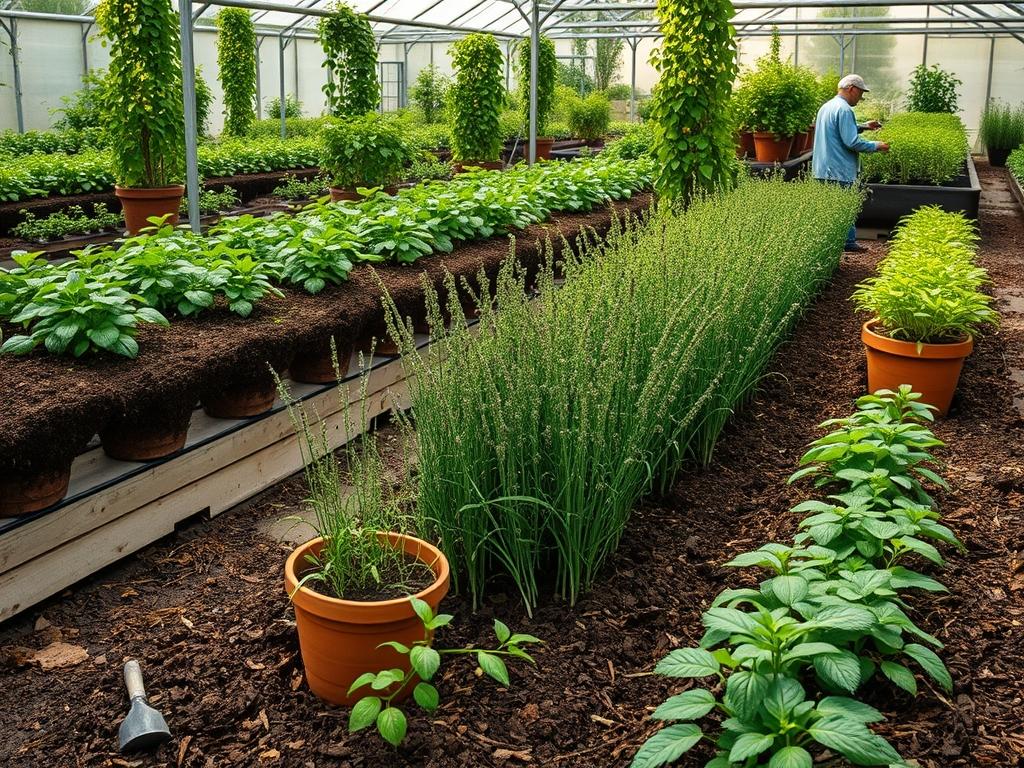
Integrating functional crops into a professional landscape design requires a delicate balance between aesthetic appeal and agricultural utility. Homeowners increasingly demand landscapes that provide more than just visual beauty; they want productive environments that offer nutritional value. Incorporating Salvia hispanica, commonly known as chia, presents a unique set of challenges and opportunities for the modern landscape architect. This tall, herbaceous perennial is often overlooked in traditional garden planning due to its somewhat unruly growth habit and late season flowering. However, when strategically placed within a cohesive site plan, it serves as a stunning vertical element that culminates in a rewarding harvest. Successful integration depends heavily on understanding the spatial requirements and microclimate needs of the plant. Because chia can reach heights of 5 feet, it must be positioned where it will not overshadow smaller ornamental species or obstruct essential sightlines. From a curb appeal perspective, the silvery green foliage provides a soft texture that complements modern architectural lines or rustic meadow themes. Achieving a professional finish requires more than just dropping seeds into a hole; it necessitates a comprehensive approach to soil preparation, moisture management, and structural support.
Landscape Design Principles
Professional landscape design relies on the core concepts of proportion, transition, and unity to create a space that feels intentional rather than accidental. When planning for a successful season of Harvesting Garden Chia, symmetry can be achieved by using the plant as a rhythmic backdrop along a formal boundary or fence line. Its upright stature makes it an ideal candidate for the rear layer of a tiered perennial bed. This creates a natural elevation gradient that draws the eye upward and provides a sense of enclosure for outdoor living areas. Focal points are essential in any garden; while chia itself is subtle during the early months, its spikes of blue or white flowers in late summer become a primary visual draw.
Designers must also account for the functional aspects of the layout, specifically walkways and access points. Because the process of Harvesting Garden Chia requires physical entry into the planting zone, the design should include hidden maintenance paths or Flagstone stepping stones to prevent soil compaction near the root zones. Irrigation planning is another critical pillar. Chia prefers well drained soil and can be prone to root rot if placed in low lying areas. Planning for a slight 2 percent grade away from the home ensures that excess rainwater moves toward a designated Bioswale or drainage area. Visual balance is maintained by pairing the airy, delicate texture of chia with bolder, structural plants such as Agave or large leafed Hostas to ground the composition.
Plant and Material Selection
| Plant Type | Sun Exposure | Soil Needs | Water Demand | Growth Speed | Maintenance Level |
| :— | :— | :— | :— | :— | :— |
| Salvia hispanica | Full Sun | Well Drained Sandy Loam | Low to Moderate | Fast | Medium |
| Lavandula | Full Sun | Gritty Calcarious | Low | Moderate | Moderate |
| Panicum virgatum | Full to Part Sun | Adaptable | Low | Fast | Low |
| Echinacea | Full Sun | Nutrient Rich Loam | Moderate | Moderate | Low |
| Rosmarinus officinalis | Full Sun | Sandy/Rocky | Very Low | Moderate | Low |
Implementation Strategy
The implementation phase begins with a site survey to determine the best location for high yield production. Start by clearing the area of all invasive turf and weeds. Grading is the first physical step; ensure the site has a subtle slope to prevent standing water. If the natural soil is heavy clay, incorporate 3 inches of Coarse Sand and Organic Compost to a depth of 12 inches to improve porosity. For a clean, professional look, install Steel Edging or Paver Borders to define the planting beds. This prevents the chia from encroaching into lawn areas and provides a crisp line that enhances curb appeal.
Once the soil is prepared, layout the planting grid. Salvia hispanica should be spaced approximately 18 to 24 inches apart to allow for maximum airflow; this is vital for preventing fungal issues in humid climates. When the seedlings reach 12 inches in height, apply a 2 inch layer of Hardwood Mulch or Pine Bark. This helps regulate soil temperature and suppress weed competition without retaining excessive moisture against the stems. For larger installations, a dedicated Drip Irrigation system with 0.5 GPH emitters is recommended. This allows for precise water delivery to the base of the plants, keeping the foliage dry and reducing the risk of powdery mildew. If the site is prone to wind, consider installing discrete Bamboo Stakes or a Jute Netting support system early in the growth cycle to prevent the tall stalks from lodging during summer storms.
Common Landscaping Failures
The most frequent mistake in designing a space for Harvesting Garden Chia is poor drainage planning. Chia is a desert native and its root system is highly sensitive to anaerobic conditions. Planting in a depression without a French Drain or Perforated Pipe system almost guarantees crop failure. Another common error is root overcrowding. While it is tempting to plant densely for an immediate “full” look, the lack of air circulation creates a microclimate ripe for pests. Improper spacing also makes the eventual harvest significantly more difficult as stalks become tangled and inaccessible.
Soil compaction is often overlooked during the construction phase. Heavy machinery used for hardscaping can compress the soil so severely that roots cannot penetrate the lower layers. Designers should specify “no go” zones for equipment or plan for deep mechanical aeration before planting. Finally, irrigation inefficiencies often plague these gardens. Overhead sprinklers are the enemy of a successful chia harvest; they can knock pollinating insects away and cause the heavy flower heads to droop or rot. Transitioning to a sub surface system avoids these issues and promotes a deeper, more resilient root structure.
Seasonal Maintenance
Spring is the season for preparation and installation. After the final frost, begin by testing the soil pH; a range between 6.0 and 8.5 is ideal. Apply a light application of Slow Release Fertilizer with a balanced N-P-K ratio. As the weather warms, monitor for early season weeds and maintain the integrity of your Mulch layers.
Summer management focuses on water regulation and structural integrity. During periods of extreme heat, ensure the Drip Irrigation system is functioning correctly, providing deep soakings rather than frequent shallow mists. This is also the time to “pinch back” the plants if a bushier habit is desired, though this may slightly delay the flowering period. Monitor for aphids or whiteflies, using Neem Oil or Insecticidal Soap if necessary to keep the plants healthy as they prepare to bloom.
Autumn is the climax of the project. The process of Harvesting Garden Chia begins when the majority of the flower petals have fallen and the calyxes turn a light brown. Use Sharpened Bypass Pruners to cut the flower spikes. To prevent seed loss, place the heads directly into a Burlap Sack or large bucket during the cutting process. Once the harvest is complete, the remaining stalks can be cut back to the ground. This is also the best time to refresh Stone Cobbles or Gravel Paths that may have shifted during the growing season.
Winter is the time for site protection and reflection. In colder hardiness zones, chia is treated as an annual, so the focus shifts to protecting the soil structure. Leave the root systems in place over winter to prevent erosion, or plant a cover crop like Winter Rye. Inspect all Retaining Walls and Hardscape elements for frost heave. Use this dormant period to clean and sharpen Pruning Saws and Garden Shears in preparation for the next cycle of planting and harvesting.
Professional Landscaping FAQ
What is the best way to integrate chia into a formal landscape?
Use chia as a textured backdrop behind structured low hedges like Boxwood. This creates a layered look where the wilder, airy nature of the chia is contained by the formal lines of the evergreen border.
How do I manage the height of chia without losing seeds?
Early season pruning, or “pinching,” when the plant is 12 inches tall encourages lateral branching. This results in a shorter, sturdier plant with more flower spikes, which actually increases the yield for Harvesting Garden Chia.
Can chia be grown in large planters or containers?
Yes, but they require a minimum 15 gallon container to accommodate their deep taproots. Ensure the pots have excellent drainage and use a high quality Potted Soil Mix amended with extra Perlite to prevent water retention.
What are the best companion plants for a chia garden?
Choose drought tolerant species that share its sun requirements. Perovskia atriplicifolia (Russian Sage) and Rudbeckia (Black-eyed Susan) offer complementary colors and textures while thriving in the same well drained, high light environments.
How does mulch type affect the harvest?
Avoid heavy, moisture retentive mulches like grass clippings. Instead, use Crushed Decorative Stone or Pine Straw. These materials provide the necessary weed suppression and thermal regulation while allowing the soil to breathe, preventing crown rot.