
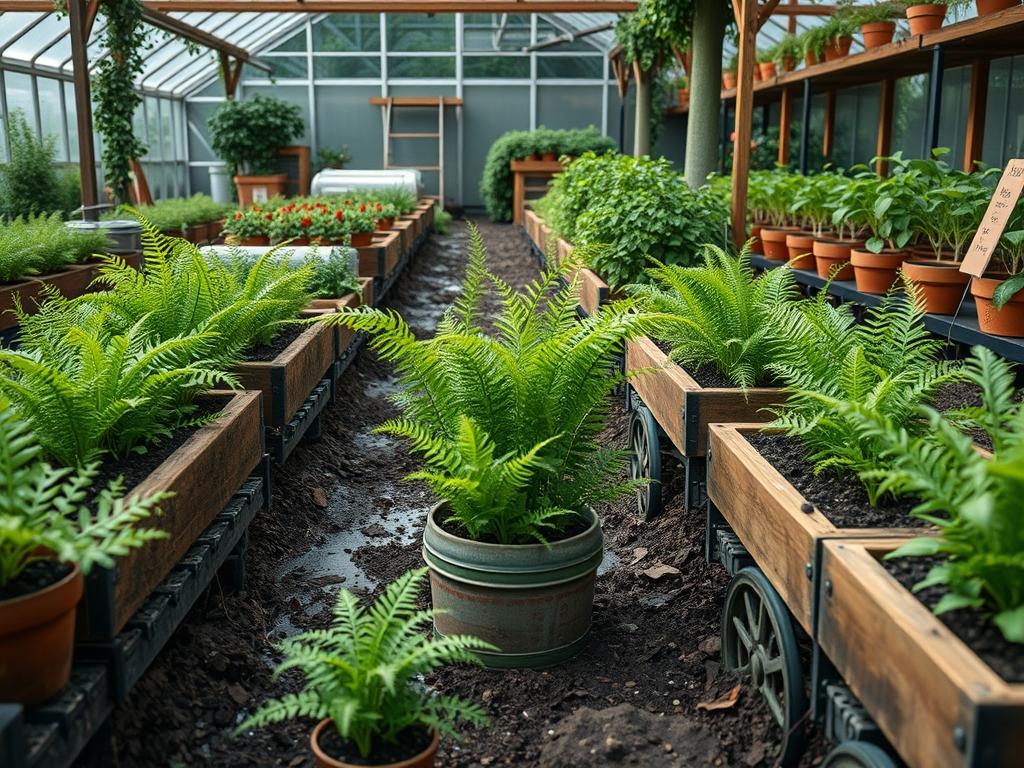
The integration of edible perennials into a residential landscape requires a sophisticated understanding of both aesthetic harmony and ecological safety. When homeowners express interest in Picking Fresh Fiddlehead Ferns from their own property, the design professional must pivot from standard ornamentalism toward a functional riparian or woodland garden model. The primary challenge lies in creating a microclimate that mimics a northern riverbank while ensuring the site remains accessible and architecturally sound. These landscapes often occupy the more humid, north-facing sectors of a property where high moisture levels and dappled shade predominate. From a curb appeal perspective, a well designed fernery offers lush, textural density that balances the rigid lines of hardscaping. However, the functionality of this space extends beyond visual appeal. It serves as a biological filtration zone and a seasonal harvest site. Proper identification and safety remain paramount, as the landscape architect must differentiate between edible species and toxic lookalikes during the initial plant procurement and site layout phases.
Landscape Design Principles
Achieving a professional finish in a woodland edible garden starts with the principle of elevation layers. In a natural forest, ferns occupy the understory. In a landscape, we replicate this by placing Matteuccia struthiopteris, commonly known as the Ostrich Fern, beneath a canopy of Red Maple or River Birch. This layering provides the necessary sun filtration to prevent frond scorch. Symmetry is often discarded in favor of organic clustering; however, focal points remain essential. A large Natural Granite Boulder or a tiered Stone Water Feature can serve as the anchor for the fern colony. This provides a sense of permanence and weight to an otherwise soft, feathery planting scheme.
Irrigation planning is perhaps the most critical technical principle for this type of installation. Drip Irrigation Lines should be buried at a depth of 3 inches to provide consistent hydration to the rhizomes without saturating the foliage. To ensure user safety and soil health, walkways are a non-negotiable element. Flagstone or Crushed Pea Stone paths prevent soil compaction around the delicate crowns of the ferns. These paths also provide a clean, stable surface for the homeowner during the early spring harvest, ensuring that the act of picking is done without trampling the emergent growth. Visual balance is maintained by mixing the fine texture of the ferns with broad-leafed perennials such as Hostas or European Ginger, creating a contrast in leaf morphology that sustains interest throughout the growing season.
Plant and Material Selection
| Plant Type | Sun Exposure | Soil Needs | Water Demand | Growth Speed | Maintenance Level |
| :— | :— | :— | :— | :— | :— |
| Ostrich Fern | Part/Full Shade | Organic, Acidic | High | Fast | Moderate |
| Cinnamon Fern | Part Shade | Boggy/Wet | Very High | Medium | Low |
| Western Sword Fern| Full Shade | Well-Drained Humus | Medium | Medium | Low |
| Lady Fern | Dappled Shade | Loamy/Moist | Moderate | Fast | Low |
| Japanese Painted | Part Shade | Rich/Moist | Moderate | Slow | Low |
| Wild Ginger | Full Shade | Acidic/Woodland | Moderate | Slow | Minimal |
Implementation Strategy
The process begins with a rigorous site analysis and grading plan. To support a healthy colony of ferns suitable for harvesting, the soil must be amended with 3 inches of Leaf Mold or Composted Manure. This increases the organic matter content, which is vital for moisture retention. If the site is prone to standing water, a French Drain may be necessary to move excess volume away from the crowns, as stagnant water can lead to rhizome rot. Once the grading is established, we implement a layout that follows the natural contours of the land.
Edging is installed using Core-Ten Steel or Pressure-Treated Timber to define the boundaries between the fernery and lawn areas. This prevents the aggressive rhizomes of the Ostrich Fern from invading turf zones. When planting, each crown should be spaced approximately 24 inches apart to allow for mature spread. After the plants are in the ground, a 2 inch layer of Bark Mulch is applied. This mulch serves multiple purposes: it regulates soil temperature, suppresses weeds, and keeps the emergent fiddleheads clean from soil backsplash during spring rains. Hardscaping elements, such as Sawn Bluestone Steps, should be installed with a 1 percent pitch to ensure proper drainage and prevent ice accumulation in the colder months.
Common Landscaping Failures
One of the most frequent errors in woodland garden design is improper drainage management. While ferns are often associated with wetlands, most edible species require a “moist but well-drained” environment. Soil compaction from heavy machinery during the construction phase often creates an impermeable layer that leads to “wet feet” and plant mortality. Another common failure is root overcrowding. Designers often overplant for immediate “fullness,” forgetting that a single Ostrich Fern crown can double in diameter over two seasons. This lack of spacing reduces airflow, increasing the risk of fungal pathogens.
Irrigation inefficiencies also plague these projects. Using overhead spray heads for ferns can lead to leaf spotting and fragile stems. Professionals should always opt for Sub-Surface Irrigation or Soaker Hoses. Perhaps the most dangerous failure is the accidental introduction of Pteridium aquilinum, or Bracken Fern, into the landscape. Bracken Ferns are toxic and carcinogenic if consumed. A professional must verify that every specimen delivered to the site is a true Ostrich Fern, characterized by its smooth green stem and the deep u-shaped groove on the interior of the stalk. Improper soil pH is another silent killer; if the soil is too alkaline, the ferns will exhibit chlorosis, a yellowing of the leaves that stunts the growth of the edible heads.
Seasonal Maintenance
The management of a fern-centric landscape changes drastically with the calendar. In the spring, the primary focus is the harvest and identification. This is the window for Picking Fresh Fiddlehead Ferns. Homeowners should be coached to only harvest the tightly coiled heads when they are no more than 2 inches tall. It is vital to leave at least half of the fiddleheads on each crown to ensure the plant has enough photosynthetic capacity to survive the summer. Debris removal should be done carefully with a Fine-Tine Rake to avoid damaging the emerging “croziers.”
During the summer, the focus shifts to moisture management and pest monitoring. As temperatures rise, the Drip Irrigation system may need to be adjusted to run for 45 minutes every other day. If the fronds begin to brown at the tips, it is a sign of low humidity or insufficient water. In the autumn, the ferns will naturally turn a golden brown. This spent foliage should be left in place until late winter to provide a natural insulating “blanket” for the crowns against the frost. Winter maintenance is minimal, primarily involving the protection of hardscape from salt damage. Avoid using chemical de-icers near the fernery, as the runoff can drastically alter soil chemistry and kill the dormant rhizomes.
Professional Landscaping FAQ
How do I distinguish an edible Ostrich Fern?
Check for a smooth, hairless stem with a deep, celery-like groove on the inside. The emergent coil will also feature a thin, brown, papery husk. Avoid any ferns with fuzzy or hairy stalks, as these are likely toxic.
What is the best mulch for edible fern beds?
A high-quality Leaf Mold or Shredded Hardwood Mulch is ideal. These materials break down into rich organic matter, mimicking the natural forest floor. Avoid dyed mulches, which may contain chemicals unsuitable for a site where you are harvesting food.
Can I grow fiddleheads in a small urban yard?
Yes, provided you have a shaded corner with consistent moisture. You can use Raised Cedar Planters to control soil quality and drainage. Ensure the planters are at least 12 inches deep to accommodate the specialized root systems of the ferns.
How much light do Ostrich Ferns actually need?
They thrive in dappled light or part shade. Specifically, they prefer about 2 to 4 hours of morning sun followed by afternoon shade. Total deep shade is acceptable, but it will result in slower growth and fewer harvestable fiddleheads.
Why are my ferns spreading into my lawn?
Ostrich Ferns spread via underground runners called rhizomes. To prevent this, install a Polyethylene Root Barrier to a depth of 10 inches around the perimeter of your fern bed. This physical barrier forces the roots to stay within their designated zone.