
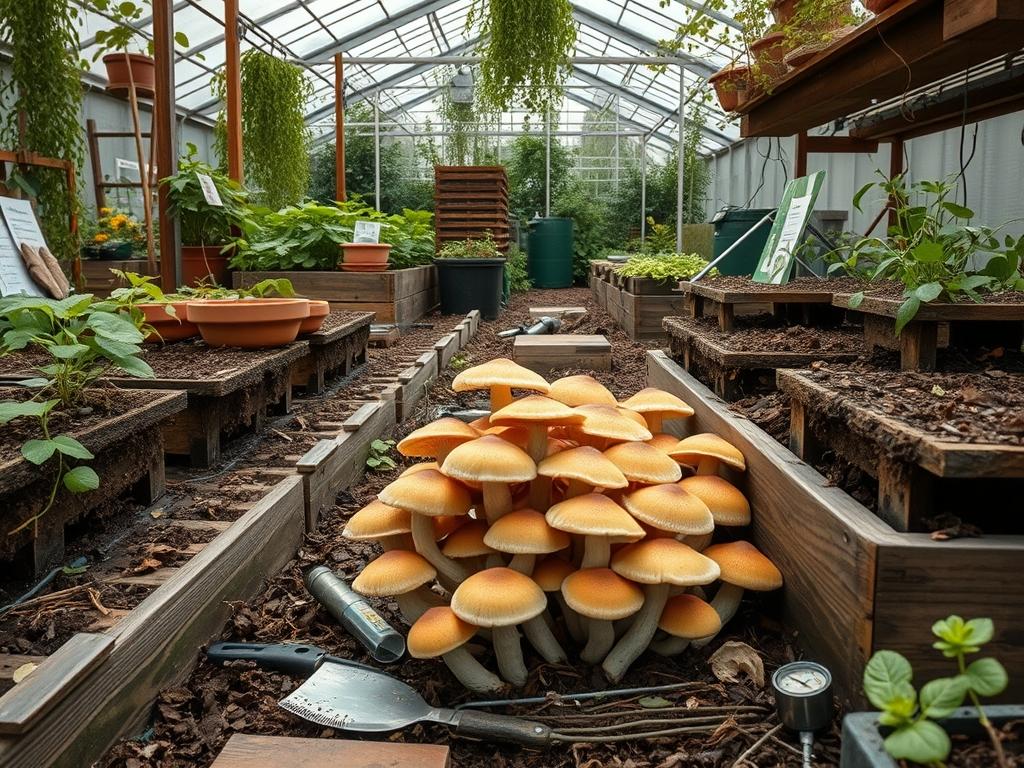
Integrating the aesthetic demands of a residential landscape with the specific ecological conditions required for harvesting garden wild mushrooms presents a unique challenge for the modern homeowner. Traditional curb appeal often prioritizes crisp lines, manicured turf, and sterile bark mulch, yet the most productive fungal environments thrive on organic maturity and controlled decay. Achieving a balance between a high end outdoor living space and a functional mycological habitat requires a deep understanding of site microclimates. We must consider how the movement of water across a property, the shadows cast by the architectural envelope, and the chemical composition of the soil all converge. A successful design ensures that the areas designated for fungal growth do not detract from the overall functionality or the market value of the estate. Instead, these zones should be treated as intentional “stumperies” or shade gardens that offer texture, depth, and a sense of seasonal rhythm.
Landscape Design Principles
Effective landscape design relies on the core pillars of symmetry and focal points to guide the eye through a space. In an environment geared toward harvesting garden wild mushrooms, we often utilize an organic symmetry that mimics the natural woodland edge. We establish focal points using high quality natural stone or weathered driftwood, which provide both visual interest and a moisture-wicking substrate for fungal spores. Elevation layering is vital; we place taller hardwood trees such as oak or beech at the rear to create a canopy, followed by mid story shrubs, and finally a ground layer of mosses and ferns. This vertical structure creates the “edge effect” where biodiversity flourishes.
Irrigation planning must be precise to avoid localized flooding while maintaining the high humidity these organisms require. We utilize drip irrigation lines buried beneath 2 inches of hardwood mulch to provide consistent moisture without drenching the foliage of ornamental plants. Walkways are another critical design element. Using flagstone or decomposed granite for paths ensures that human traffic remains off the delicate mycelial networks. By defining these boundaries, we protect the soil structure from compaction. Visual balance is maintained by tucking the “wilder” mushroom production zones into the peripheral shade areas, leaving the sunny central lawn or patio for traditional social functions. This strategic zoning ensures the property remains sophisticated and purposeful.
Plant and Material Selection
Selecting the right biological and structural components is the difference between a thriving ecosystem and a muddy corner. The following table outlines primary selections for a garden that supports fungal health while maintaining high design standards.
| Plant Type | Sun Exposure | Soil Needs | Water Demand | Growth Speed | Maintenance Level |
| :— | :— | :— | :— | :— | :— |
| Christmas Fern | Deep Shade | Humus Rich | Moderate | Moderate | Low |
| Hostas | Partial Shade | Loamy | High | Fast | Medium |
| White Oak | Full Sun | Well Drained | Moderate | Slow | Low |
| Wild Ginger | Shade | Acidic | High | Slow | Low |
| River Birch | Sun/Part Shade | Moist/Boggy | Very High | Fast | Medium |
| Wood Chips | N/A | Organic Base | N/A | N/A | Annual Refill |
Implementation Strategy
The transition from a design concept to a physical backyard layout begins with a technical assessment of the existing terrain. First, we address grading. The land must be sloped at a minimum of 2 percent away from the home foundation to prevent basement inundation, yet within the garden beds, we can create micro-depressions or “swales” to catch and hold rainwater for fungal development. Shovels and metal rakes are used to sculpt these subtle contours. Once the grade is established, we install edging made of weathered steel or treated timber to separate the lawn from the cultivation zones.
Next, we focus on soil preparation. We avoid tilling, which destroys existing fungal threads; instead, we layer compost, leaf mold, and shredded bark to a total depth of 4 to 6 inches. This mimics the natural forest floor accumulation. For hardscaping, we might install a retaining wall using fieldstone to create different elevation tiers. This adds architectural interest and creates cool, damp crevices. If the site suffers from poor drainage, we install a French drain consisting of a perforated pipe, landscape fabric, and 1 inch river rock. This system whisks excess water away from the root zones of expensive ornamentals while keeping the surrounding soil sufficiently hydrated for harvesting garden wild mushrooms. Finally, we plant the canopy species, ensuring that their root balls are set at the correct depth to avoid “volcano mulching,” which can suffocate the tree.
Common Landscaping Failures
The most frequent error in specialized landscaping is a failure to manage drainage. When water stagnates due to poor grading, it creates anaerobic conditions that kill beneficial fungi and cause root rot in ornamentals. Another common pitfall is root overcrowding. Designing with “instant impact” in mind often leads to planting shrubs too close together. As these plants mature, they compete for nutrients and airflow, leading to a stagnant environment where powdery mildew thrives instead of the desired mushroom species. Proper spacing, as dictated by the mature spread of the plant, is non-negotiable for long term health.
Soil compaction is another silent killer of a productive landscape. When heavy machinery or frequent foot traffic compresses the earth, the delicate air pockets required for mycelial respiration vanish. We often see this in new constructions where the topsoil has been stripped and the subsoil is packed as hard as concrete. Furthermore, irrigation inefficiencies, such as using oscillating sprinklers that wet the leaves of roses or peonies late in the evening, invite fungal diseases like black spot. A professional system should always target the soil, not the foliage. Lastly, the over-application of synthetic nitrogen fertilizers can chemically “burn” the native fungal networks, effectively sterilizing the soil of the very organisms you wish to harvest.
Seasonal Maintenance
Landscape management is a year round commitment that shifts with the solar cycle. In the spring, the focus is on cleanup and awakening. We use pruning shears to remove winter kill from perennials and apply a thin layer of fresh compost. This is also the time to check the irrigation system for leaks or clogged emitters before the heat of summer arrives. As we move into the summer months, the priority shifts to moisture retention. Maintaining a consistent 3 inch layer of mulch is essential to protect the soil from the intense sun. We monitor for pests and ensure that the deep shade zones remain humid during dry spells.
Autumn is perhaps the most critical season for those harvesting garden wild mushrooms. As the leaves fall, they should be shredded with a mulching mower or collected to create leaf mold. This organic debris is the primary fuel for the fungal lifecycle. We also use this time for “dormant pruning” of large trees to manage the light levels reaching the forest floor. In the winter, maintenance becomes structural. We protect sensitive shrubs from heavy snow loads and use the quiet season to plan hardscape additions. Testing the soil pH during the winter allows us to make amendments, such as adding lime or sulfur, well before the spring growth flush begins.
Professional Landscaping FAQ
How do I identify which areas are best for mushrooms?
Look for the north-facing side of your home or areas under dense tree canopies. These spots naturally retain more moisture and stay cooler during the day, creating the ideal shadowed microclimate for fungal growth and soil health.
Will mushrooms in my mulch damage my ornamental plants?
Generally, no. Most mushrooms found in mulch are saprobic, meaning they eat dead organic matter. They actually help break down the mulch into nutrients that your flowers and shrubs can more easily absorb through their root systems.
What is the best mulch for a mushroom-friendly garden?
Use a mix of hardwood chips and shredded leaves. Avoid aromatic woods like cedar or redwood, as they contain natural antifungal oils that can inhibit the growth of the wild species you are trying to encourage.
How can I improve drainage in a heavy clay yard?
Incorporate organic matter like compost and fine grit to break up the clay particles. If standing water persists, installing a French drain or a dry creek bed will help move water away from high traffic areas.
Should I remove mushrooms that pop up in my lawn?
If you are not harvesting them, you can leave them; they are a sign of healthy, organic soil. However, if you have pets or children, you might remove them with a trowel as a safety precaution until identified.