
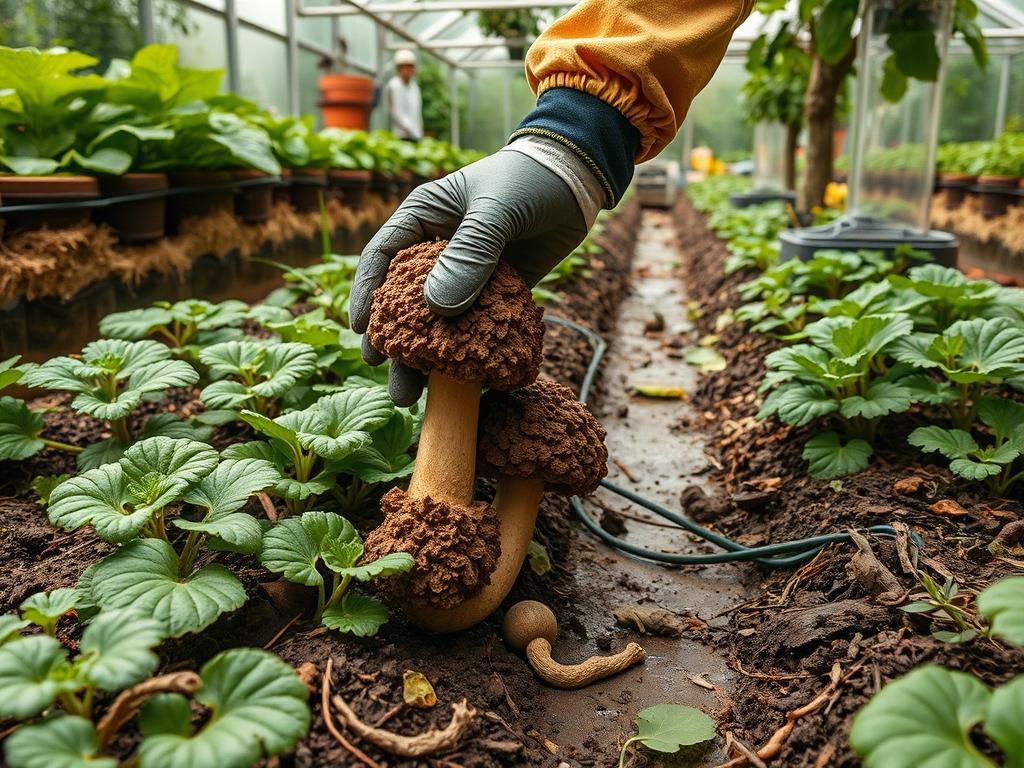
Integrating native ecology into high-end residential design represents the next frontier of sustainable outdoor environment consulting. For the discerning homeowner, a landscape should offer more than just static beauty; it should provide a functional, immersive experience that rewards the senses and the pantry alike. One of the most sophisticated challenges in modern site planning is the creation of a “foraging landscape” specifically optimized for Picking Fresh Morels. This process involves more than just planting a few trees. It requires a deep understanding of soil chemistry, microclimates, and the delicate symbiotic relationships between host plants and mycorrhizal fungi. By treating the property as a holistic ecosystem rather than a collection of ornamental plants, we can increase the curb appeal while fostering the unique conditions necessary for these elusive mushrooms to thrive.
The successful landscape architect views the property through the lens of verticality and hydrology. To create a backyard that facilitates the goal of Picking Fresh Morels, one must balance formal design elements with the raw, chaotic energy of a healthy forest floor. This means navigating the transition between managed lawn areas and the “wild” zones of the property. When these zones are planned with precision, they do not look like neglected corners; instead, they appear as intentional, curated woodland gardens. Proper site preparation, including the adjustment of soil pH and the careful selection of canopy species, ensures that the environment is hospitable to morels while maintaining the high-value aesthetic of a professional installation.
Landscape Design Principles
Symmetry and focal points are the cornerstones of traditional landscaping, but in an edible forest garden, we must adapt these rules. Focal points should consist of mature host trees like the American Elm or White Ash, which serve as the anchors for fungal networks. Surrounding these anchors, we utilize elevation layers to mimic a natural forest. A high canopy provides the necessary shade, an understory of smaller trees like Serviceberry adds seasonal interest, and a diverse ground layer of leaf litter and moss keeps the soil temperature stable.
Elevation and grading are critical when designing for moisture retention. Most morels appear in the spring when the soil is damp but not saturated. To achieve this, we design subtle swales and berms that slow the movement of rainwater across the property. A laser level is an essential tool for ensuring that water moves away from the foundation of the home while settling into the “retaining zones” where the mushrooms will eventually fruit. Walking paths should be constructed from natural materials like crushed limestone or wood chips, as these avoid the soil compaction associated with heavy stone pavers. Compacted soil is the enemy of any fungal network, as it limits the oxygen available to the roots and mycelium.
Plant and Material Selection
The following table outlines the primary species and materials used to create a landscape conducive to Picking Fresh Morels. Choosing the right host is the single most important decision in the planning phase.
| Plant Type | Sun Exposure | Soil Needs | Water Demand | Growth Speed | Maintenance Level |
| :— | :— | :— | :— | :— | :— |
| American Elm | Full Sun | Moist Loam | Moderate | Fast | Medium |
| White Ash | Full/Partial | Deep/Rich | High | Moderate | Low |
| Tulip Poplar | Full Sun | Well-drained | Moderate | Fast | Medium |
| Black Cherry | Full/Partial | Sandy/Loam | Moderate | Moderate | High |
| Sycamore | Full Sun | Wet/Alluvial | High | Very Fast | Medium |
| Apple (Heirloom) | Full Sun | Loamy/Neutral | Moderate | Slow | High |
| Hardwood Mulch | N/A | High Carbon | N/A | N/A | Low |
Implementation Strategy
The first step in backyard layout planning is conducting a comprehensive soil test. Morels prefer a slightly alkaline to neutral pH, typically between 6.8 and 7.2. If your soil is too acidic, applying a thin layer of pelletized lime across the planned foraging zone is a necessary corrective measure. Once the soil profile is established, start the grading process. Use a skid steer for major earthmoving, but ensure you are not operating it within the drip line of existing trees to prevent root damage.
After grading, install the hardscaping elements. Stone retaining walls built from natural fieldstone can create microclimates by absorbing heat during the day and releasing it at night. This helps regulate the soil temperature in early spring. Next, install your “primary hosts.” If you are planting new trees, choose specimens that are at least 2 to 3 inches in caliper to ensure they have enough root mass to support fungal colonization.
The finishing touch is the mulch. For a morel-friendly landscape, avoid dyed decorative mulches or cedar, which has antimicrobial properties. Instead, use a 2-inch layer of aged hardwood mulch mixed with shredded leaves. This provides the carbon source the fungi need to build strength before fruiting. Edging should be done with a half-moon edger to create a clean, crisp line between the formal lawn and the woodland zone, ensuring the landscape looks intentional and well-maintained.
Common Landscaping Failures
The most frequent mistake in landscape management is the overuse of chemical inputs. Synthetic fertilizers and fungicides will immediately halt any progress in Picking Fresh Morels by destroying the delicate underground ecosystem. Homeowners often try to “clean up” their woodland areas too much, removing the very leaf litter and fallen wood that provide nutrients to the soil. A “sterile” garden is a dead garden in terms of foraging productivity.
Drainage mistakes are also a common pitfall. While standing water kills most trees and fungi, a landscape that is too well-drained will dry out before the morels have a chance to fruit. Avoiding the use of landscape fabric is also vital. This plastic barrier prevents the natural exchange of gasses and prevents the mushrooms from pushing through the surface. Lastly, root overcrowding occurs when too many shrubs are planted at the base of host trees; this creates competition for nutrients and limits the space available for the fungal network to expand.
Seasonal Maintenance
Spring is the high season for any landscape designed for Picking Fresh Morels. Maintenance during this time involves monitoring soil temperatures. Once the ground reaches a consistent 50 degrees Fahrenheit, you should minimize foot traffic in the foraging zones to avoid crushing new growth. This is also the time to apply a light dressing of compost tea to boost the microbial activity in the soil.
Summer maintenance focuses on hydration. During periods of drought, use a soaker hose to provide deep, infrequent watering to the host trees. This keeps the root systems healthy and the mycelium hydrated for the following year. Avoid high-nitrogen fertilizers on the lawn nearby, as the runoff can disrupt the balance of the forest floor.
In autumn, the primary task is leaf management. Instead of raking and bagging all your leaves, use a mulching mower to shred some of them back into the lawn and manually spread others into the woodland zones. This mimics the natural “dropping” of nutrients. Winter is the time for structural pruning. Use bypass pruners or a pole saw to remove dead or diseased branches from your host trees, ensuring that light can reach the forest floor in the early spring thaw.
Professional Landscaping FAQ
What is the best way to start a morel patch?
Focus on soil health by adding hardwood mulch and leaf litter around established Elm or Ash trees. Maintain a neutral pH and avoid all chemical fungicides to allow natural spores or slurry to colonize the root zone.
Can I grow morels under any tree?
No, morels are highly selective. They form specific relationships with trees like Tulip Poplars, Apples, and Oaks. Planting these host species is non-negotiable if you want a successful foraging landscape with high yields for your kitchen.
How does irrigation affect morel growth?
Consistency is key. Use a drip irrigation system to keep the soil moist but not waterlogged. Sudden fluctuations in moisture can shock the mycelium and prevent the mushrooms from fruiting during the critical spring window.
Is hardwood mulch necessary for morels?
Yes, it acts as the primary carbon source. Use oak, hickory, or ash chips. Avoid aromatic woods like cedar or redwood, as their natural oils can inhibit fungal growth and ruin the local soil chemistry.
How long does it take for a landscape to produce?
Patience is required in landscape architecture. After planting host trees and prepping the soil, it may take 3 to 5 years for the fungal network to become established enough to produce consistent results for enthusiasts.