
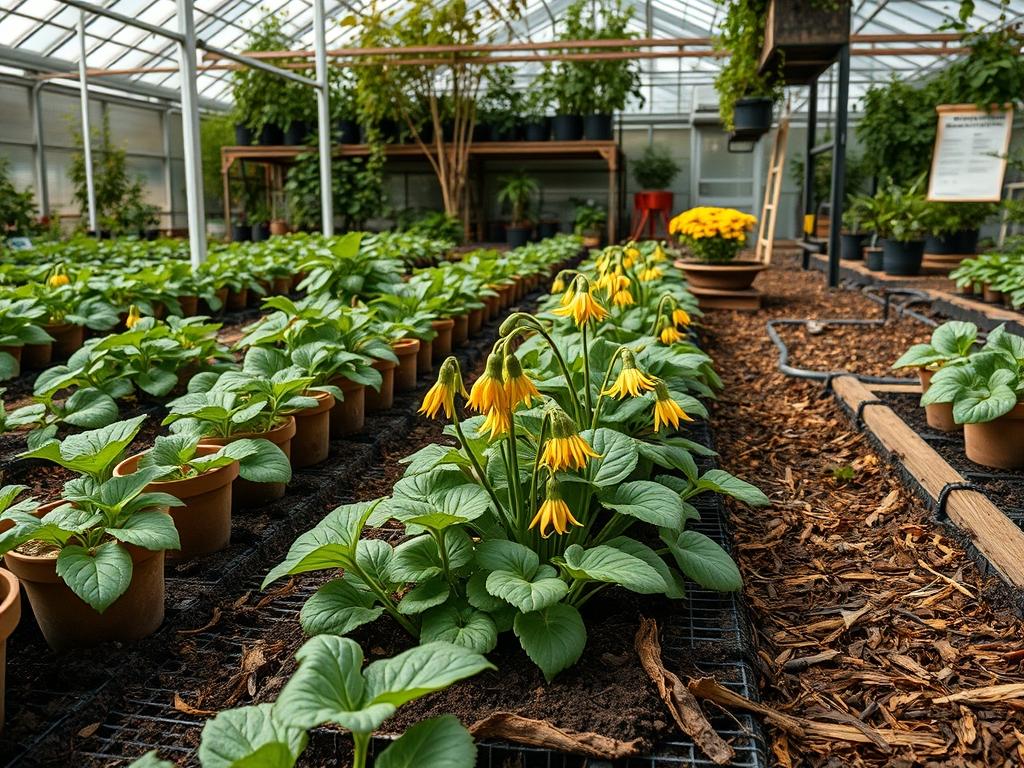
Integrating a productive fungal ecosystem into a high end residential landscape requires a sophisticated understanding of both aesthetics and subterranean biology. While many homeowners prioritize vibrant perennials or manicured turf, the inclusion of a foraging zone adds an element of “living land” that serves both the kitchen and the garden’s ecological health. Cultivating and eventually harvesting garden chantarelles is not a matter of simply scattering seeds; it is an exercise in managing a complex, mycorrhizal relationship between the soil, the root systems of specific trees, and the moisture levels of the forest floor. For the landscape architect, this means balancing the clean lines of modern design with the slightly wilder, more organic requirements of a fungal habitat. The challenge lies in creating a space that feels curated for curb appeal while remaining hospitable enough for the delicate golden caps of the chantarelle to emerge during the humid summer months.
Achieving this balance involves a deep dive into the microclimates of your property. We look at areas where natural shadows play across the ground and where the soil remains consistently damp but never waterlogged. Successful harvesting garden chantarelles begins with the site selection. This is often an understory location, tucked beneath a canopy of mature hardwoods or conifers where the sunlight is dappled rather than direct. A professional landscape plan considers these shaded zones not as wasted space, but as prime opportunities for functional foraging. By focusing on the health of the soil microbiome, a designer can turn a dark, damp corner into a focal point of seasonal interest and culinary reward.
Landscape Design Principles
A well designed foraging garden must adhere to the same principles of symmetry and balance as any formal landscape. When planning for a chantarelle habitat, we focus on the concept of elevation layers. The overstory canopy provides the necessary shade and biological partnership, while the understory layer consists of small shrubs or ferns that maintain humidity near the ground. Visual balance is achieved by framing these “wilder” patches with clean hardscaping elements like retaining walls or defined walkways. Using a natural stone path allows the gardener to move through the space without compacting the soil, which is critical since chantarelle mycelium is sensitive to heavy foot traffic.
Focal points in these areas can be subtle. A large moss covered boulder or a specimen fern acts as a visual anchor, drawing the eye toward the ground where the mushrooms will eventually fruit. Symmetry is often harder to achieve in a woodland setting, so we rely on proportional groupings of trees to create a sense of order. The drainage must be carefully graded to ensure water flows toward the foraging zone without pooling. If the site is too flat, we might introduce slight mounds or “berms” to create a varied topography that mimics a natural forest floor, ensuring that the irrigation planning delivers moisture precisely where it is needed without causing root rot in the companion trees.
Plant and Material Selection
The following table outlines the essential companion plants and materials required to foster a environment suitable for harvesting garden chantarelles.
| Plant Type | Sun Exposure | Soil Needs | Water Demand | Growth Speed | Maintenance Level |
| :— | :— | :— | :— | :— | :— |
| White Oak | Full to Partial | Well drained, acidic | Moderate | Slow | Low |
| American Beech | Partial to Shade | Rich, moist loam | High | Slow | Medium |
| Eastern White Pine| Full to Partial | Sandy, acidic | Moderate | Fast | Low |
| Christmas Fern | Full Shade | Humus rich, moist | Moderate | Medium | Low |
| Sheet Moss | Full Shade | Compacted, acidic | High | Slow | Low |
| Hardwood Mulch | N/A | Organic, coarse | N/A | N/A | Annual |
Implementation Strategy
Implementing a foraging friendly landscape starts with a detailed assessment of the existing soil structure and drainage. Most chantarelles are mycorrhizal, meaning they form a symbiotic bond with the roots of specific trees. If your yard lacks oaks, beeches, or pines, the first step is planting these species. Once the trees are established, the ground must be prepared. We avoid using heavy machinery near the drip line of the trees to prevent soil compaction. Instead, we manually clear invasive plants and weeds, taking care not to disturb the top four inches of soil where the delicate fungal networks reside.
Grading is the next priority. The land should slope gently, perhaps 2 percent to 5 percent, to allow for natural runoff. This prevents the “swamp effect” during heavy rains. We then install edging made of natural cedar or weathered steel to define the foraging area. Inside this boundary, we apply a 3 inch layer of hardwood mulch mixed with leaf litter. This mimics the detritus of a natural forest, providing the carbon sources the fungi require. For the irrigation system, we recommend a low flow drip line or micro sprayers set to activate in the early morning. This ensures the environment remains humid through the heat of the day, which is essential for the eventual fruiting of the mushrooms.
Common Landscaping Failures
The most frequent mistake in attempting to cultivate a foraging landscape is the over-application of synthetic fertilizers. High nitrogen pellets can disrupt the natural chemistry between the tree roots and the fungal mycelium, effectively killing the chance of ever harvesting garden chantarelles. Similarly, improper drainage is a common downfall. If the site is located at the bottom of a steep hill without a proper swale or French drain, the soil will become anaerobic, and the chantarelle networks will suffocate.
Another failure involves the choice of mulch. Many homeowners use “designer” mulches that are dyed or treated with chemicals to resist decomposition. These materials are toxic to many fungi. Professional designers always opt for untreated wood chips or leaf mold. Furthermore, root overcrowding occurs when too many shrubs are planted in the same zone as the mushroom habitat. This creates competition for water and nutrients, often leaving the fungal network depleted. Finally, excessive “tidying” of the garden. Removing every fallen leaf and twig strips away the organic matter that the ecosystem needs to thrive.
Seasonal Maintenance
Maintenance of a chantarelle garden changes with the rhythm of the year. In the spring, focus on soil health. This is the time to add a light top dressing of compost or aged leaf mold. Check the irrigation lines for leaks and ensure that the mulch depth is still sufficient to retain moisture. As the weather warms into summer, the primary task is moisture management. If you are aiming for a July or August harvest, the soil cannot be allowed to dry out completely. Regular, deep watering during dry spells will trigger the mycelium to produce the fruiting bodies.
When autumn arrives, the focus shifts to debris management. This is when the trees drop their leaves; do not rake them away. Instead, use a leaf mulcher to break them into smaller pieces and spread them back over the foraging bed. This identifies the area for next year and provides a fresh layer of nutrients. In winter, the goal is protection. Avoid walking on the designated foraging zones to prevent crushing the dormant mycelium under the frozen earth. Protect the area from heavy snow piling, which can lead to excessive compaction once the melt begins.
Professional Landscaping FAQ
How do I tell if a chantarelle is real or a lookalike?
Look for “false gills” which are ridges that are part of the mushroom body, not separate plates. They should smell faintly of apricots. Always consult a local mycologist if you are unsure before consuming anything from your landscape.
Can I grow chantarelles in a small urban backyard?
It is possible if you have at least one mature host tree like an oak or birch. You must maintain high humidity and avoid all chemical pesticides. Use raised beds only if they have open bottoms to the natural soil.
What is the best time of day to harvest?
Morning is ideal when the air is cool and the mushrooms are most turgid. Use a sharp knife to cut the stem at the base rather than pulling it. This protects the delicate mycelium below the surface for future growth.
Do I need a special irrigation system for mushrooms?
A micro spray system is preferred as it mimics light rainfall and keeps the atmospheric humidity high. Standard oscillating sprinklers often deliver too much water too quickly, which can lead to erosion of the mulch and organic matter.
How long does it take for a new garden to produce?
Fungi operate on a slow timeline. If you are planting host trees, it may take five to ten years for the mycorrhizal bond to mature. If the trees are already present, you may see results in two seasons of proper soil management.