
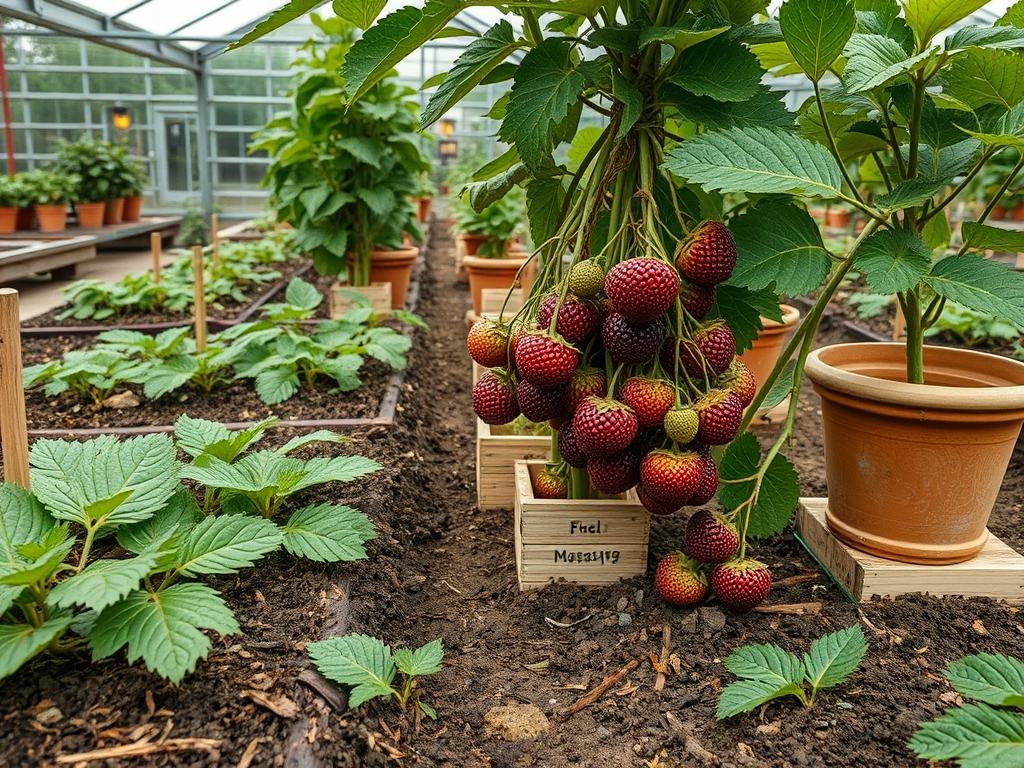
Designing a landscape that incorporates gooseberries requires a sophisticated understanding of spatial dynamics and botanical architecture. While the end goal might be a culinary tart, the groundwork lies in creating a functional, aesthetically pleasing environment that balances production with curb appeal. Gooseberries, particularly Ribes uva-crispa, are often overlooked in high end design because of their formidable thorns; however, their structural density makes them excellent for defining garden rooms or low level perimeter screening. Effective garden planning ensures that the act of harvesting garden gooseberries is not a painful chore but a calculated part of the outdoor experience. This requires careful consideration of climate, as these shrubs demand cool, circulating air and specific soil elevations to thrive without succumbing to fungal pathogens. When we integrate edible species into a master plan, we are not just planting bushes; we are architecting a sustainable ecosystem that enhances the property’s value and utility.
A successful layout considers the outdoor living experience from every angle. If the transition between the patio and the orchard lacks a clear pathway, the fruit often goes unpicked, rotting and attracting unwanted pests. Precision in the garden begins with grading and drainage, ensuring that water moves away from the foundation of the home while settling into the deep root zones of the fruiting shrubs. By placing these plants in locations where they receive morning sun but are shielded from the harshest afternoon heat, we preserve the delicate skin of the berries. This preservation is vital for tarts, where the fruit must remain intact and firm during the preparation process. The following guidelines provide a framework for creating a landscape that is as productive as it is beautiful.
Landscape Design Principles
Professional landscape design relies on the core concepts of symmetry and visual balance to guide the eye through the space. When positioning gooseberry bushes, one should treat them as architectural anchors rather than haphazard additions. Using them as a low hedge alongside a flagstone walkway provides a clear boundary and adds a layered canopy to the garden’s edge. Elevation layers are particularly important for accessibility. Planting on a slight 3 percent grade or inside 18 inch raised masonry beds elevates the fruit, making harvesting garden gooseberries significantly easier on the back and knees. This elevation also assists with soil drainage, which is a primary concern in regions with heavy clay content.
Irrigation planning is another pillar of high level design. For a fruticose border, a drip irrigation system is superior to overhead sprayers. This system delivers water directly to the base of the plant, keeping the foliage dry and reducing the risk of powdery mildew. Visual balance is achieved by mingling these shrubs with non edible perennials. For instance, the fine texture of nepeta or the silver foliage of artemisia can soften the rigid, upright growth habit of the gooseberry. By architecturing the space with a mix of evergreen backdrop plants and deciduous edible foreground plants, the designer ensures the garden looks structured even in the winter months.
Plant and Material Selection
The success of a landscape is predicated on selecting the right materials for the specific microclimate of the site. Below is a selection of plants and materials recommended for a high performing edible landscape.
| Plant or Material | Sun Exposure | Soil Needs | Water Demand | Growth Speed | Maintenance |
| :— | :— | :— | :— | :— | :— |
| Ribes uva-crispa | Full to Part Sun | Rich, Well-Drained | Moderate | Medium | Moderate |
| Ribes hirtellum | Full Sun | Loamy, Acidic | Moderate | Fast | Low |
| Lavandula angustifolia | Full Sun | Gritty, Alkaline | Low | Medium | Low |
| Salvia nemorosa | Full Sun | Any Well-Drained | Low | Fast | Low |
| Cedar Bark Mulch | N/A | N/A | N/A | N/A | Periodic |
| Steel Edging | N/A | N/A | N/A | N/A | Very Low |
Implementation Strategy
The implementation phase transforms a conceptual drawing into a physical reality. It begins with site preparation, specifically grading to manage surface runoff. A landscape professional uses a transit level to ensure the ground slopes away from fixed structures. Once the grade is established, define the garden beds using 12 gauge steel edging. This creates a crisp, professional line that prevents lawn grass from encroaching into the edible zones.
Next, prepare the soil by incorporating 3 inches of organic compost into the top 8 inches of native soil. This creates a loamy texture that facilitates root expansion. When planting the gooseberries, space each shrub at least 4 feet apart to allow for adequate airflow. This spacing is a critical component of harvesting garden gooseberries with precision; if the bushes are too crowded, the interior fruit will be small and prone to rot. Dig a hole twice the width of the root ball and backfill with a mix of native soil and bone meal. After planting, apply a 3 inch layer of wood chip mulch to retain moisture and suppress weeds. Finally, install the polyethylene drip tubing under the mulch, placing emitters near the root zones of each plant to ensure efficient water delivery.
Common Landscaping Failures
Failure in the garden often stems from a lack of attention to unseen stressors. One of the most prevalent mistakes is improper drainage. If the site sits in a depression, the roots will become waterlogged, leading to anaerobic conditions that kill the plant within a single season. Installing a French drain or a perforated 4 inch drain pipe can mitigate this risk. Another common issue is soil compaction. During construction, heavy machinery compresses the earth, destroying the pore spaces required for oxygen and water movement. Using a broadfork to aerate the soil before planting can reverse this damage.
Improper spacing is also a major pitfall. Homeowners often plant for immediate impact, forgetting how large the shrubs will grow in five years. This leads to root overcrowding and a lack of sunlight reaching the lower branches. Additionally, “volcano mulching,” which is the practice of piling mulch against the trunk or stems of a plant, should be strictly avoided. This trap for moisture causes the bark to rot and provides a bridge for boring insects to enter the plant. Lastly, failing to account for the irrigation needs of different species can result in one plant drowning while another withers. Always group plants with similar water requirements in the same irrigation zone.
Seasonal Maintenance
Landscape management is a year round commitment that changes with the seasons. In the spring, the focus is on fertilization and revitalizing the mulch layer. Apply a balanced 10-10-10 granular fertilizer before the first buds open. This provides the nutrient surge needed for flower and fruit development. Check the irrigation timers to ensure they are functioning after the winter freeze.
During the summer, the priority shifts to moisture monitoring and the actual harvesting garden gooseberries project. Precision harvesting requires picking the berries when they are slightly under ripe for tarts, as the pectin levels are higher. Use leather gauntlet gloves to navigate the thorns and bypass pruners to clip clusters if necessary. In the autumn, clear away fallen leaves and debris to prevent pests from overwintering in the soil. Finalize the season by applying a fresh 2 inch layer of compost to the base of the shrubs. In the winter, perform structural pruning. Professionals focus on removing the “three Ds,” which are dead, damaged, and diseased wood. Thinning out the center of the canopy allows for better light penetration in the following spring, ensuring the fruit develops the perfect sweetness and acidity for the kitchen.
Professional Landscaping FAQ
How much space do gooseberry bushes need for easy harvesting?
For professional results, provide at least 4 to 5 feet of clearance between shrubs. This spacing prevents thorn related injuries and allows for essential airflow, ensuring that fruit in the center of the bush ripens at the same rate as the exterior.
What is the best material for garden paths near thorny shrubs?
Use decomposed granite or large flagstones for walkways. These materials provide a stable, wide surface that allows you to stand comfortably during the harvesting garden gooseberries process without worrying about slipping or snagging your clothing on the sharp spines.
Can I grow gooseberries in a small urban courtyard?
Yes, but they should be trained as standards or espaliers. By pruning the plant into a tree-like shape with a single trunk, you move the thorny canopy away from the ground, saving horizontal space and making the fruit easier to reach.
What are the signs of poor drainage in my fruit garden?
Look for yellowing leaves, a sour smell from the soil, or standing water after a light rain. If you notice these signs, install a retaining wall or trench drain to redirect water away from the root zones of your plants.
Does mulch type affect the flavor of the berries?
While mulch does not change the flavor directly, cedar or pine bark mulch helps maintain the acidic soil pH that gooseberries prefer. Proper pH levels allow the plant to absorb nutrients efficiently, which results in more flavorful fruit for your tarts.