
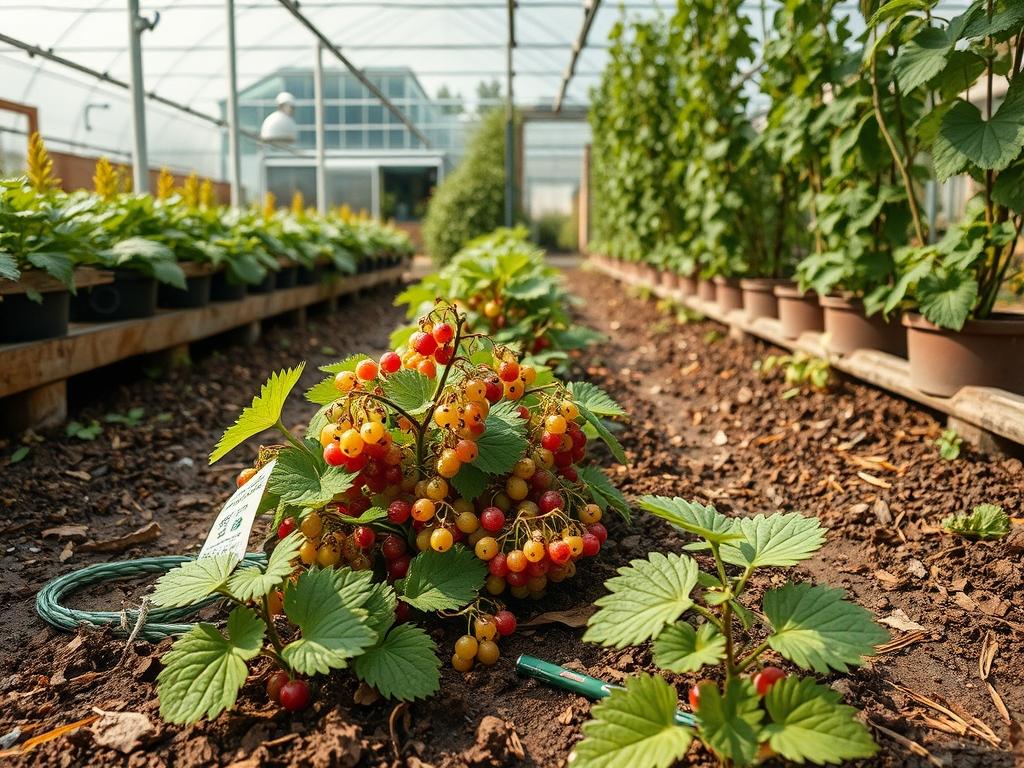
Integrating edible perennials into a sophisticated residential master plan requires a delicate balance between high yield agricultural practices and refined aesthetic appeal. Harvesting Garden Currants represents more than a mere chore; it is the culmination of seasonal landscape management where the architectural form of the shrub meets the functional requirements of the kitchen garden. When we design these spaces, we consider the Ribes genus not just for its translucent clusters of fruit, but for its role as a mid-level structural element in a layered planting scheme. These shrubs offer a deep, lobed leaf texture that provides a cooling visual effect during the height of summer, bridging the gap between low-lying herbaceous borders and taller canopy trees.
The primary challenge in modern landscape design is ensuring that productive plants do not detract from the overall curb appeal of the estate. All too often, fruiting shrubs are relegated to messy corners where they become sprawling and unmanageable. By treating Red Currants and Black Currants as formal specimens or structured hedgerows, we elevate the functionality of the backyard. Strategic placement near the transition zones between hardscaped patios and softscaped lawns allows for easy access while maintaining a clean, organized silhouette. Proper harvesting becomes a key part of this maintenance cycle, as the methodical removal of fruit bunches prevents rot and minimizes the attraction of unwanted pests, thereby preserving the outdoor environment’s integrity.
Landscape Design Principles
Successful integration of currants into a professional landscape depends on the application of symmetry and focal points. We often utilize Red Currants as a living border or low-level hedge to define the perimeter of a formal parterre garden. Because these shrubs can be trained as standards or cordons, they offer a verticality that is rare in small fruit production. This elevation allows the designer to create layers, placing smaller perennials like Thyme or Creeping Phunky at the base to act as a living mulch.
Irrigation planning is another critical pillar of the design process. Currants have relatively shallow root systems and require consistent moisture to produce plump, vibrant fruit clusters. We recommend installing an automated drip irrigation system with emitters spaced every 12 inches to ensure deep hydration without wetting the foliage. This architectural decision reduces the risk of powdery mildew while maintaining the visual crispness of the leaves. Walkways are equally vital; using permeable pavers or decomposed granite ensures that the soil near the harvesting zone does not become compacted during the frequent foot traffic of the mid summer Picking season.
Visual balance is achieved by contrasting the delicate, pendulous bunches of the fruit with the sturdy, dark wood of the older canes. When a landscape is designed with harvesting in mind, we provide enough spacing, typically 4 feet to 5 feet between plants, to allow for 360 degree access. This prevents the shrubs from merging into an impenetrable thicket and ensures that every bunch is visible and reachable, turning the act of Harvesting Garden Currants into a meditative stroll rather than a difficult task.
Plant and Material Selection
| Plant Type | Sun Exposure | Soil Needs | Water Demand | Growth Speed | Maintenance Level |
| :— | :— | :— | :— | :— | :— |
| Red Currant | Full Sun to Partial Shade | Loamy, Well-drained | Moderate | Medium | Moderate |
| Black Currant | Full Sun | Rich, Organic | High | Fast | High |
| White Currant | Partial Shade | Slightly Acidic | Moderate | Medium | Low |
| Bypass Pruners | N/A | Steel Construction | N/A | N/A | Essential |
| Cedar Mulch | N/A | Shredded Texture | N/A | N/A | Annual Application |
| Corten Steel | N/A | Edging Material | N/A | N/A | Low |
Implementation Strategy
The transition from a design on paper to a flourishing edible landscape starts with precise site grading. We begin by ensuring the site has a slight 2 percent slope away from the primary residence to facilitate drainage. Currants cannot tolerate standing water, which leads to root rot and poor fruit quality. Once the grade is established, we map out the planting pits, making them twice as wide as the root ball but no deeper. Incorporating organic compost into the backfill provides the initial nutrient boost required for vigorous early growth.
To achieve a professional finish, we utilize corten steel edging to create a sharp, permanent line between the lawn and the planting beds. Inside these beds, a 3 inch layer of hardwood mulch or arborist wood chips is applied. This mulch suppresses weeds and regulates soil temperature, which is crucial for the cool-temperate preferences of the Ribes species. When the shrubs reach maturity and begin to fruit, the focus shifts to the specialized technique of Harvesting Garden Currants.
Professional harvesting is done by clipping the entire bunch, also known as a strig, rather than pulling individual berries. This process requires a pair of sharp bypass pruners or micro-tip floral snips. By holding the base of the wood and clipping the thin green stem at the very top of the bunch, the harvester prevents the delicate skins of the fruit from tearing. This method preserves the juice within the berry and extends the shelf life of the harvest significantly. From a maintenance perspective, clipping the bunches cleanly ensures that no fruit is left to mummify on the branch, which is a primary cause of fungal infections in subsequent seasons.
Common Landscaping Failures
The most frequent mistake in edible landscaping is improper spacing, leading to root overcrowding and poor air circulation. When currants are packed too tightly for the sake of an immediate “full” look, the interior of the plant becomes a humid microclimate. This lack of airflow invites aphids and fungal pathogens, which can decimate the aesthetic value of the shrub in weeks. A professional architect always designs for the plant’s mature width, resisting the urge to overplant during the initial installation.
Another common failure involves the misuse of overhead irrigation. Using traditional pop-up spray heads for shrubs like Black Currants is an inefficient strategy that promotes foliar disease. Furthermore, soil compaction is a recurring issue in high-traffic kitchen gardens. If a dedicated walkway is not provided, the weight of the harvester compresses the soil pores, reducing the oxygen available to the roots. We solve this by implementing flagstone stepping stones or timber boardwalks that distribute the weight evenly and protect the delicate rhizosphere.
Seasonal Maintenance
In the spring, management focuses on rejuvenation. We apply a slow-release organic fertilizer and refresh the mulch to ensure the soil remains moist as the plants break dormancy. This is also the time to inspect the irrigation lines for any leaks or clogs caused by winter frost. As the blossoms appear, we monitor for late spring frosts, which can damage the delicate flowers and ruin the season’s fruit potential.
Summer is the peak season for Harvesting Garden Currants. During this time, the primary goal is moisture management and harvesting at the moment of peak ripeness. Once the harvest is complete, we perform a light thinning of the current year’s growth to keep the center of the shrub open. Autumn marks the transition to soil health; we top-dress with well-rotted manure or leaf mold to feed the soil biology over the winter.
Winter is the most critical time for structural pruning. As a landscape architect, I recommend a three year rotation system. One-third of the oldest wood is removed at the base every year using loppers. This encourages the growth of vigorous new canes that will produce the best fruit in future seasons. Removing dead or crossing branches during the winter dormancy ensures the plant retains a sculptural, intentional form that looks beautiful even when the leaves have fallen.
Professional Landscaping FAQ
What is the best time of day for Harvesting Garden Currants?
Harvest in the early morning after the dew has evaporated but before the heat of the midday sun. This ensures the fruit is turgid and cool, which maximizes its flavor profile and prevents the berries from softening too quickly after being clipped.
How do I prevent birds from stealing the fruit before the harvest?
Professional designers often integrate fine-mesh bird netting or architectural fruit cages into the landscape plan. These structures can be made of black powder-coated steel to remain visually unobtrusive while providing a permanent barrier against local wildlife during the ripening stage.
Can currants be grown in large containers for patio landscaping?
Yes, currants thrive in 20 gallon containers provided they have excellent drainage. Use a high-quality potting mix and ensure the containers are placed in a location that receives afternoon shade in warmer climates to prevent the roots from overheating.
Why are my currant leaves turning yellow and dropping in mid-summer?
This is often a sign of water stress or nitrogen deficiency. Ensure your drip irrigation is delivering at least 1 inch of water per week. If the soil is moist, a liquid seaweed extract can provide the necessary nutrients.
How far back should I prune my currants for the best aesthetic shape?
Focus on removing the oldest, darkest canes at ground level during winter. Avoid “heading back” or shearing the tops of the branches, as this creates a “witch’s broom” effect that ruins the natural architectural silhouette and reduces fruit production.