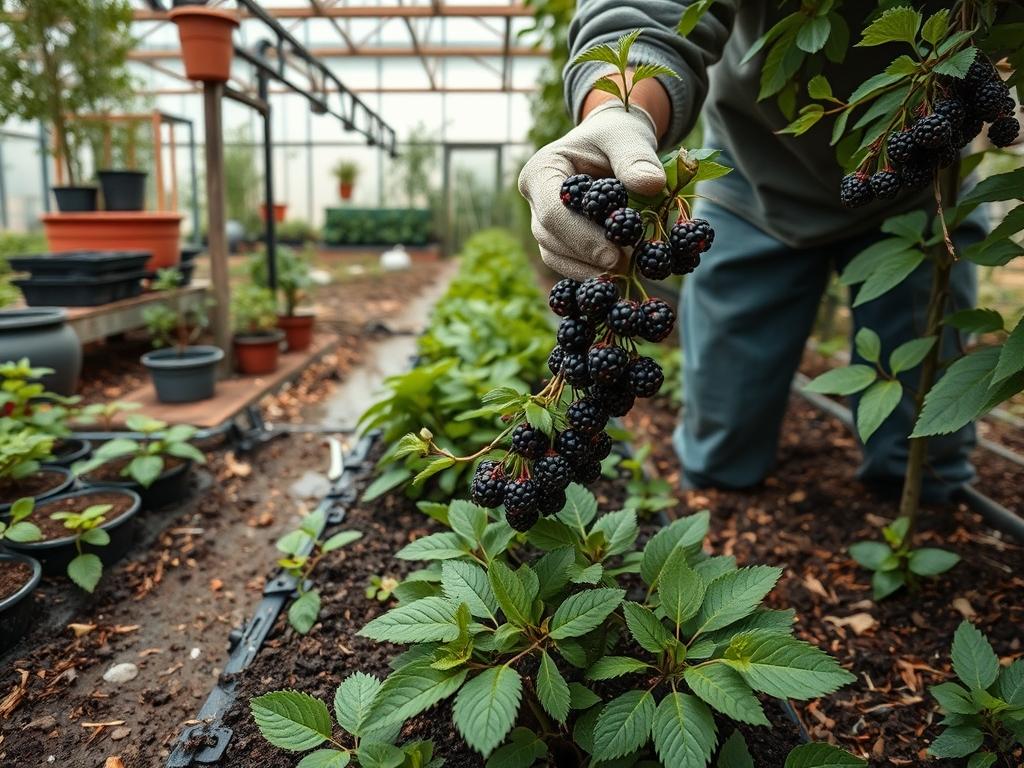
Integrating edible shrubs like the American elderberry into a residential or commercial landscape requires a delicate balance between peak aesthetic appeal and functional harvest utility. While many property owners view elderberries primarily as a wild foraging opportunity, the modern landscape architect sees them as a structural powerhouse capable of providing dense screening, lush texture, and significant ecological value. The challenge often lies in the transition from a manicured garden to a productive orchard space. Proper placement ensures that the fruit does not stain expensive porous pavers or limestone walkways, while strategic planning allows for the safe and efficient process of picking ripe elderberries without compromising the plant’s health or the surrounding design.
In many climate zones, elderberries thrive in moist, well drained soils, making them ideal candidates for rain gardens or the lower elevations of a tiered backyard. They bridge the gap between ornamental beauty and utility, yet they require a specific site management strategy to prevent them from appearing unkempt. A successful installation considers the mature spread of the shrub, which can reach 12 feet, ensuring that harvesting remains accessible rather than a struggle through dense, overlapping foliage. By treating the elderberry as a focal point within a biophilic design, we can maximize its cooling effects and carbon sequestration while providing a high yield of nutrient dense berries.
Landscape Design Principles
Effective garden planning for elderberries begins with the principle of elevation layers. As these shrubs naturally occupy the midstory layer, they should be positioned behind lower perennials but in front of taller canopy trees like Oak or Maple. This creates a natural gradient that mimics forest edges. Symmetry can be achieved by using elderberries as hedging along a property line, though the architect must account for their suckering habit. Specimen planting is another viable option, where a single, well pruned shrub acts as a focal point near a water feature or a stone retaining wall.
Visual balance is critical when integrating edible species. Because elderberries can become heavy and droop when loaded with fruit, the surrounding hardscaping must provide a neutral, stable backdrop. Using natural fieldstone or dark slate offers a sophisticated contrast to the vibrant green foliage and deep purple fruit clusters. Furthermore, irrigation planning must be precise. Subsurface drip irrigation is preferred over overhead spraying, as maintaining dry foliage reduces the risk of fungal pathogens and ensures that the fruit remains clean and easy to inspect during harvest. Walkways should be wide enough, at least 4 feet, to allow for harvest bins and maintenance equipment without trampling the delicate root zones or the surrounding mulch.
Plant and Material Selection
Selecting the right cultivars and companion materials is the cornerstone of a low maintenance, high reward edible landscape. The following table identifies key components for an elderberry centric design.
| Plant Type | Sun Exposure | Soil Needs | Water Demand | Growth Speed | Maintenance Level |
| :— | :— | :— | :— | :— | :— |
| Sambucus canadensis | Full Sun to Part Shade | Rich, Moist, Loamy | High | Fast | Moderate |
| Sambucus nigra | Full Sun | Well Drained | Moderate | Medium | Moderate |
| Viburnum dentatum | Full Sun to Part Shade | Adaptable | Moderate | Medium | Low |
| Panicum virgatum | Full Sun | Dry to Moist | Low | Fast | Low |
| Cornus sericea | Part Shade | Wet, Boggy | High | Fast | Moderate |
For the hardscaping elements, use shredded cedar mulch at a depth of 3 inches to suppress weeds and retain the high moisture levels these shrubs require. Avoid inorganic mulches like rubber or dyed wood chips, as these can alter soil chemistry and negatively impact fruit flavor and safety.
Implementation Strategy
The installation process begins with subgrade preparation. Before any planting occurs, the site must be graded to ensure that water moves toward the elderberry clusters without pooling excessively at the crown. If the soil is heavy clay, incorporate organic compost and expanded shale to improve aeration. Dig the planting holes twice as wide as the root ball but no deeper, ensuring the flare of the trunk remains slightly above the finished grade.
Once the plants are in the ground, establish clear edging. Using steel landscape edging or Belgian block helps contain the vigorous root systems and prevents the shrubs from encroaching on manicured lawn areas. Lay out your primary walkways using crushed granite or decomposed granite, which provides a stable, non slip surface for harvesters. When picking ripe elderberries, the footing must be secure, especially if using a small step ladder to reach the higher branches. Finally, install a dedicated irrigation controller with zones specifically calibrated for the higher water needs of the fruiting season.
Common Landscaping Failures
One of the most frequent errors in garden planning is improper spacing. Homeowners often plant elderberries too close together, leading to a lack of airflow. This stagnation creates a breeding ground for pests and makes picking ripe elderberries difficult, as the clusters become entangled and hidden. Ensure a minimum of 6 to 8 feet between plants to allow for full lateral expansion.
Another failure involves poor drainage management. While elderberries love moisture, stagnant water leads to root rot, which manifests as wilting leaves and shriveled fruit. This is often caused by soil compaction during the construction phase of a landscape. If heavy machinery was used, the soil must be core aerated before planting. Additionally, failing to account for the toxicity of the stems and unripe berries is a design oversight. In family friendly landscapes, elderberry bushes should be clearly demarcated with signage or physical barriers to ensure that children do not consume the raw, green berries or the alkaloid rich stems.
Seasonal Maintenance
Maintenance is divided into four distinct phases to ensure both the longevity of the plant and the safety of the harvest. In the spring, focus on structural pruning. Remove any dead, damaged, or diseased wood using bypass pruners. Thinning out the oldest canes, those over three years old, encourages the growth of vigorous new stems that will produce larger fruit clusters. Apply a balanced, slow release organic fertilizer just as the first buds appear.
During the summer, the priority shifts to hydration and monitoring for ripeness. Elderberries typically ripen from late August through September. Safety is paramount during this window. Always use garden shears to snip entire cymes (clusters) rather than pulling individual berries, which can bruise the fruit and lead to rapid fermentation. Ensure that no stems are included in the final processing, as the stems contain cyanogenic glycosides which are toxic if ingested.
Autumn involves a thorough cleanup. Once the harvest is complete, remove any fallen fruit or debris from the base of the plant to prevent overwintering pests. Winter is the time for dormant pruning and renewing the mulch layer. In colder climates, a thicker layer of mulch helps protect the shallow root system from the freeze thaw cycle.
Professional Landscaping FAQ
How do I know the elderberries are safe to pick?
Only harvest berries that are deep purple or black and slightly soft to the touch. Avoid any clusters with green or red berries, as unripe fruit is toxic and can cause digestive distress. Always cook elderberries before consumption.
Can I grow elderberries near a swimming pool?
It is not recommended. The dark juice of the ripe berries can cause permanent staining on pool liners, concrete decking, and outdoor furniture. Position them at least 20 feet away from high traffic recreational water areas to maintain curb appeal.
What tools are best for harvesting without damaging the plant?
Use sharp floral snips or pruning shears to cut the heavy clusters where the main stem meets the branch. Avoid pulling or tearing the branches, as this creates jagged wounds that are susceptible to disease and insect infestation.
How do I manage the spread of elderberry suckers?
Install a vertical root barrier made of high density polyethylene at a depth of 18 inches around the planting zone. Alternatively, regular mowing around the perimeter of the shrub will keep unwanted new shoots from establishing in the lawn.
Is it necessary to have two different varieties for fruit?
While many elderberries are self fertile, planting two different cultivars within 50 feet of each other significantly increases fruit production through cross pollination. This results in larger clusters and a more consistent harvest for the homeowner.