
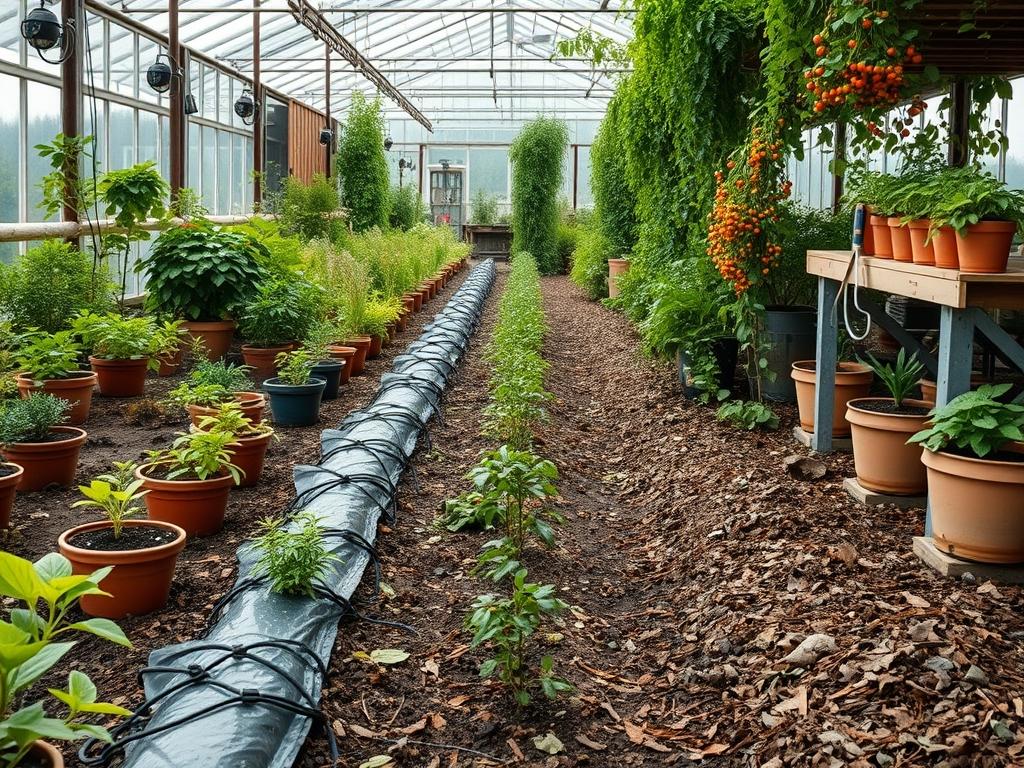
Integrating sea buckthorn, known botanically as Hippophae rhamnoides, into a residential or commercial landscape presents a unique set of opportunities and challenges. As a senior landscape architect, I view this species not merely as a fruit-producing shrub, but as a structural powerhouse capable of providing exceptional silver foliage texture and erosion control. However, the true utility of this plant is often realized during the late summer and autumn months when the harvest begins. Designing a space that accommodates Harvesting Garden Sea Buckthorn requires a deep understanding of the plant’s growth habits, its dioecious nature, and the physical logistics of navigating its formidable thorns. To maximize both the aesthetic curb appeal and the functional yield, the landscape must be engineered for accessibility. This involves careful consideration of soil drainage, wind patterns, and the spatial requirements for the specialized tools used to extract these nutrient-dense berries without damaging the shrub’s architectural integrity.
Landscape Design Principles
When planning a garden that features sea buckthorn, symmetry and focal points must be balanced with the practical needs of the harvest. Because sea buckthorn is dioecious, meaning male and female flowers grow on separate plants, the landscape must be designed with a specific sex ratio. For a visually balanced and productive hedge, I recommend a ratio of one male plant for every six to eight female plants. The male plants should be positioned upwind to ensure wind-driven pollination reaches the female berries. From an elevation perspective, use sea buckthorn as a mid-story layer in a landscape. Its height, which ranges from 8 to 15 feet, makes it an excellent backdrop for low-growing perennials or a transition element against taller deciduous trees.
Visual balance is achieved by pairing the silver-grey, willow-like leaves of the sea buckthorn with plants that offer contrasting textures and colors. Deep green boxwoods or dark purple salvias create a sophisticated palette that highlights the bright orange berries. Walkways are critical in this design phase. Because the branches are thorny, paths should be at least 4 feet wide to allow a gardener to comfortably move harvesting equipment, such as crates and shears, without being snagged. Irrigation planning should favor Drip systems rather than overhead sprinklers. Wetting the foliage frequently can increase the risk of fungal issues and may interfere with the berry quality during the ripening phase.
Plant and Material Selection
The following table outlines the technical requirements for sea buckthorn and its ideal landscape companions to ensure a thrive-ready environment.
| Plant Type | Sun Exposure | Soil Needs | Water Demand | Growth Speed | Maintenance Level |
| :— | :— | :— | :— | :— | :— |
| Sea Buckthorn | Full Sun | Sandy, well-drained | Low to Moderate | Fast | Moderate |
| Russian Sage | Full Sun | Dry, alkaline | Low | Fast | Low |
| Blue Fescue | Full Sun/Part Shade | Well-drained | Moderate | Medium | Low |
| Lavender | Full Sun | Gritty, lean soil | Low | Medium | High (Pruning) |
| Echinacea | Full Sun | Loamy/Sandy | Moderate | Fast | Low |
For hardscaping materials, I suggest using crushed granite or pea gravel for the mulch layer around sea buckthorn. Organic mulches like wood chips can sometimes retain too much moisture against the crown, leading to collar rot. A mineral mulch reflects light upward into the interior of the shrub, which can help even out the ripening of the berries in the center of the plant.
Implementation Strategy
The successful implementation of a garden designed for Harvesting Garden Sea Buckthorn starts with site grading. These shrubs require exceptional drainage. If your site has heavy clay, you must install a French drain or create a raised berm at least 12 to 18 inches high to ensure the root zone stays aerated. Once the grade is established, use a heavy-duty metal edging to contain the root system. Sea buckthorn is known for sending out vigorous suckers that can quickly travel into a lawn or neighboring flower bed. A deep edging strip, driven 8 inches into the ground, is a professional-grade solution to this problem.
When laying out the plants, space them approximately 3 to 5 feet apart if you desire a dense, defensive hedge. For individual specimen planting where harvesting ease is the priority, increase the spacing to 7 feet. This allows the plant to develop a full, rounded canopy, making it easier to reach the interior branches. During the planting process, incorporate a slow-release, low-nitrogen fertilizer. Sea buckthorn is a nitrogen-fixing plant, meaning it works with soil bacteria to produce its own nitrogen. Over-fertilizing with high-nitrogen mixes will result in excessive leaf growth at the expense of berry production.
The harvesting technique itself influences the layout. The most professional method for Harvesting Garden Sea Buckthorn is the “cut-and-freeze” technique. This involves pruning the fruit-bearing branches and placing them in a commercial freezer, which allows the berries to be easily shaken off without mashing them. Consequently, the garden layout must allow for annual rejuvenation pruning. Designing the garden with enough space to handle long reach loppers and transport bins is essential for this workflow.
Common Landscaping Failures
The most frequent mistake I see in sea buckthorn installations is poor drainage management. These plants will thrive in poor, sandy soils, but they will die quickly in “wet feet” conditions. If water pools for more than two hours after a heavy rain, the location is unsuitable without significant remediation. Another common failure is root overcrowding. Because the plants grow so rapidly, many homeowners plant them too close to permanent structures like retaining walls or foundations. The aggressive root system can put pressure on hardscaping over time.
Irrigation inefficiency is also a major hurdle. Many automated systems are set for shallow, frequent watering, which encourages surface rooting. Sea buckthorn needs deep, infrequent watering to establish a resilient taproot. Finally, many gardeners fail to account for the “harvesting zone.” If you plant sea buckthorn against a fence, you lose 50 percent of your access to the fruit. Always leave a buffer zone of at least 3 feet between the shrub and any vertical obstacle.
Seasonal Maintenance
Seasonal management is the key to a long-lived and productive landscape. In the Spring, focus on removing suckers and deadwood. This is also the time to check the integrity of your irrigation lines. Apply a fresh layer of coarse sand or gravel mulch to maintain the soil temperature and suppress weeds.
Summer maintenance involves monitoring for pests and ensuring the fruit set is developing. If you notice a Lack of berries on a female plant, it may indicate a lack of male pollinators nearby or a timing issue with the wind. Autumn is the primary season for Harvesting Garden Sea Buckthorn. You must time the harvest based on the acidity and sugar levels of the berries. For juice, harvest earlier in the season; for jams or fresh eating, wait until after the first light frost, which often mellows the tartness.
Winter care is about protection. While sea buckthorn is incredibly cold-hardy, reaching down to USDA Zone 3, the heavy snow loads can split the brittle branches. Professional landscapers will often perform structural pruning in late winter to reduce the height and width, ensuring the shrub can withstand wind and snow without structural failure.
Professional Landscaping FAQ
What is the best soil pH for sea buckthorn?
Sea buckthorn prefers slightly alkaline to neutral soil, ideally between pH 6.0 and 8.0. If your soil is highly acidic, incorporate dolomitic lime into the planting site to raise the pH level and provide necessary calcium and magnesium.
How do I stop the plant from spreading too far?
The most effective way to control sea buckthorn is through physical barriers. Install a root barrier or deep metal edging at least 8 inches deep. Alternatively, regular mowing around the base of the shrub will keep suckers from maturing.
When is the best time to prune for fruit production?
Perform major structural pruning in late winter while the plant is dormant. However, if you are using the “cut-and-freeze” harvest method, your autumn berry harvest serves as your pruning. Always leave enough two-year-old wood to ensure a crop for the following year.
Do these plants require a lot of water?
Once established, sea buckthorn is exceptionally drought-tolerant. During the first two years, provide 1 inch of water per week. Afterward, supplemental irrigation is only necessary during extended dry spells or to improve the juiciness of the berries before harvest.
Can sea buckthorn grow in coastal environments?
Yes, they are highly salt-tolerant. They are frequently used in coastal landscaping for dune stabilization. The silvery scales on the leaves reflect harsh sunlight and protect the plant from salt spray, making them ideal for seaside curb appeal.