
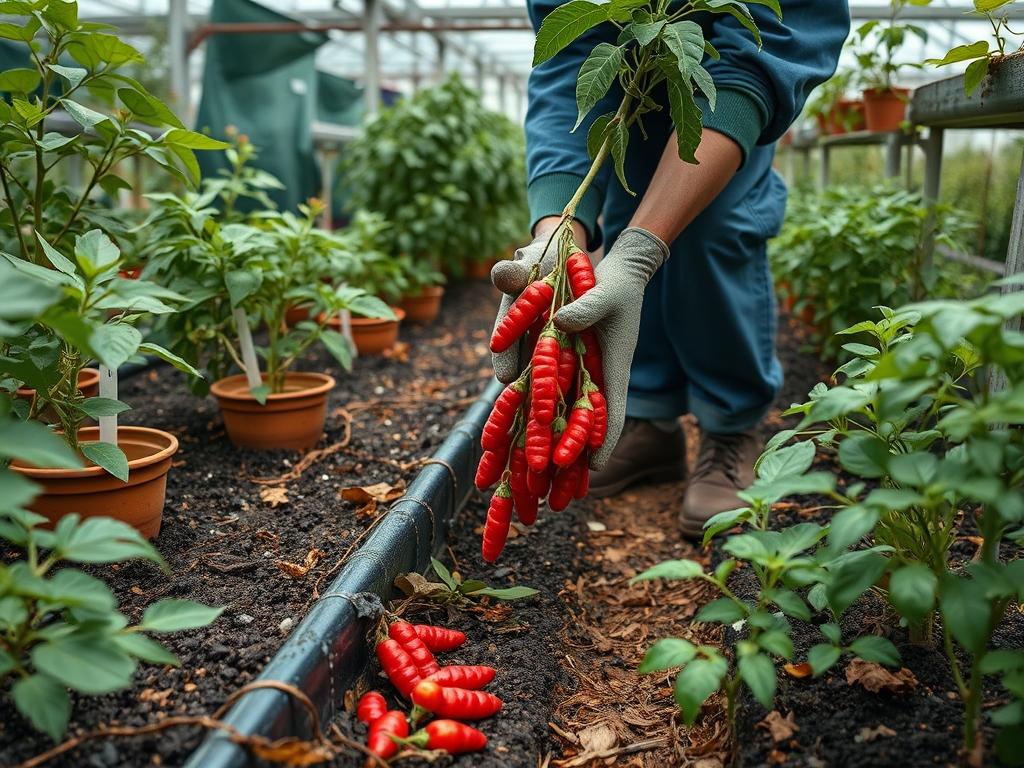
Integrating functional edible components into a modern residential landscape requires a sophisticated balance between aesthetic appeal and horticultural utility. For many property owners, the motivation to include Lycium barbarum, more commonly known as the goji berry, stems from a desire for high-antioxidant yields. However, from a landscape architect’s perspective, these plants often present a structural challenge due to their sprawling, vine-like growth habit. To maximize both the curb appeal of the property and the nutrient density of the harvest, one must consider the microclimate, soil drainage, and the physical accessibility of the fruit. Picking fresh goji berries is not merely a harvest task; it is the culmination of a well-executed site plan that prioritizes sunlight penetration and ease of movement within the garden’s layout.
The primary landscaping challenge with goji berries lies in their tendency toward a chaotic silhouette. Without a clear design framework, what began as a sleek, modern garden can quickly transition into an overgrown thicket. This affects the quality of the fruit because shaded internal branches produce berries with significantly lower anthocyanin levels. By implementing structured pathways and specialized irrigation, a designer ensures that every branch receives the 8 to 10 hours of sunlight required for maximum antioxidant development. Furthermore, the selection of companion plantings and hardscape materials plays a critical role in temperature regulation. High-thermal-mass materials like Concrete Pavers or Natural Stone Retaining Walls can help stabilize localized temperatures, extending the ripening window and allowing the berries to develop their full chemical profile before they are harvested.
Landscape Design Principles
Successful integration of edible shrubs into a professional landscape relies on the application of symmetry and layering. In a formal backyard setting, goji berries should be treated as structural mid-layer plants. By placing them behind lower-growing perennials and in front of taller privacy screens, the architect creates a sense of depth that draws the eye. Symmetry is achieved by flanking an entryway or a Pergola with matched pairs of shrubs, trained onto T-posts or Wire Trellises. This vertical orientation is vital; by lifting the fruit-bearing canes off the ground, we prevent soil-borne pathogens from degrading the berries and ensure that picking fresh goji berries remains a clean, ergonomic process.
Focal points are another essential element in the layout. A well-placed goji shrub, pruned into a weeping standard shape, can serve as a stunning visual anchor at the end of a Crushed Granite Walkway. The vibrant red of the berries provides a natural contrast against the silvery-green foliage, offering a pop of color that shifts through the late summer and autumn. To maintain this visual balance, the surrounding landscape must be kept tidy. This is achieved through the use of clean edging and a consistent mulch layer. Utilizing Dark Double-Shredded Bark Mulch not only suppresses weeds but also provides a professional finish that highlights the bright fruit, making it easier for the homeowner to identify the berries that have reached the deep crimson hue indicative of peak antioxidant levels.
Plant and Material Selection
The following table outlines the essential selections for a high-performing edible landscape that supports maximum fruit quality.
| Plant or Material | Sun Exposure | Soil Needs | Water Demand | Growth Speed | Maintenance Level |
| :— | :— | :— | :— | :— | :— |
| Lycium barbarum | Full Sun | Well-drained, pH 6.8-8.1 | Moderate | Fast | Moderate |
| Lavandula angustifolia| Full Sun | Sandy, Lean | Low | Medium | Low |
| Rosmarinus officinalis| Full Sun | Rocky, Dry | Low | Medium | Low |
| Pea Gravel | N/A | High Permeability | N/A | N/A | Low |
| Drip Irrigation Tubing| N/A | Sub-surface | N/A | N/A | Medium |
| Steel Landscape Edging| N/A | N/A | N/A | N/A | Low |
Implementation Strategy
The transition from a design concept to a functional backyard requires a systematic approach to site preparation. First, the site must be graded to ensure that water moves away from the root zones of the goji shrubs. These plants are highly susceptible to root rot in anaerobic soil conditions, which can lead to bitter, nutrient-deficient fruit. Once the grading is established, a Laser Level should be used to mark the placement of any Retaining Walls or raised beds. Creating an elevation of 12 to 18 Inches above the natural grade is often the most effective way to manage drainage while also making the harvest more accessible.
After the structural elements are in place, the irrigation system must be installed. For high-antioxidant production, consistent moisture is more important than heavy watering. A Drip Irrigation System with Emitter Lines spaced 12 inches apart ensures that the root system develops evenly. Once the plants are installed, apply a 3 Inch Layer of organic mulch. This maintains soil temperature and prevents the fruit from touching the soil if branches droop under the weight of the harvest. Finally, the installation of Flagstone Walkways allows for picking fresh goji berries without compacting the soil around the delicate feeder roots of the plant.
Common Landscaping Failures
One of the most frequent errors in edible landscaping is improper spacing. When goji shrubs are planted too close together, the resulting lack of airflow creates a humid microclimate. This environment encourages powdery mildew, which can significantly reduce the nutritional value of the berries. A landscape architect must insist on a minimum spacing of 5 to 7 Feet between plants to facilitate light penetration. Another common failure is the use of overly rich soil. While it may seem counterintuitive, goji berries often produce more antioxidants when grown in slightly stressed, lean soil conditions rather than in highly fertilized, nitrogen-rich environments that promote excessive leaf growth at the expense of fruit quality.
Irrigation inefficiencies also plague many garden designs. Overhead sprinklers should be avoided at all costs when the goal is picking fresh goji berries for health benefits. Water sitting on the surface of the fruit can cause splitting and fungal growth, which rapidly depletes the antioxidant content through oxidation. Furthermore, soil compaction from foot traffic can stifle root respiration. By failing to designate clear walking paths using Pavers or Timber Steps, homeowners often inadvertently damage the very plants they are trying to nurture. Addressing these failures during the planning phase ensures a sustainable and productive landscape for years to come.
Seasonal Maintenance
Maintaining a professional landscape requires a chronological management plan. In the spring, the focus is on structural pruning. Use bypass pruners to remove any dead wood and to thin out the center of the shrub. This promotes the “open vase” shape that allows maximum sunlight to reach the inner branches where the most nutrient-dense berries will form. As the summer progresses, the task shifts to moisture management and monitoring for pests. Ensure that the irrigation controller is adjusted for rising temperatures, but do not overwater as the fruit begins to sets.
Autumn is the peak season for picking fresh goji berries. At this stage, the maintenance involves careful harvesting and the preparation for dormancy. To maximize antioxidants, berries should be harvested in the early morning after the dew has evaporated but before the heat of the noon sun. Avoid picking the fruit if it is wet, as this leads to rapid degradation. In winter, the landscape architect should oversee the application of a fresh layer of Wood Chips to protect the crown from frost heaving. High-tensile Galvanized Wire may also be used to secure dormant canes, preventing wind damage and ensuring the structural integrity of the plant for the following season.
Professional Landscaping FAQ
How does soil pH affect antioxidant levels in goji berries?
Goji berries thrive in alkaline soils. A pH between 7.0 and 8.0 optimizes the uptake of minerals, which directly supports the synthesis of complex polysaccharides and antioxidants within the fruit. Use Garden Lime to adjust acidic soils accordingly.
Why is drainage so critical for fruit quality?
Saturated roots lead to physiological stress that can cause fruit drop or flavor dilution. Proper drainage, achieved through French Drains or elevated planting mounds, ensures the plant can maintain the metabolic rates necessary for high nutrient density.
Can I grow goji berries in large containers?
Yes, a 20 Gallon Pot with adequate drainage holes can support a productive shrub. This allows for precise control over the soil medium and enables the grower to move the plant to the sunniest areas of the patio for peak ripening.
What is the best tool for harvesting to prevent oxidation?
Using a small pair of Snips or Precision Scissors is superior to hand-pulling. By cutting the stem rather than pulling the fruit, you avoid bruising the skin, which preserves the antioxidants by preventing oxygen from entering the berry.
How often should I refresh the mulch in an edible landscape?
Apply a fresh 2 to 3 Inch layer of mulch every spring. This maintains the moisture barrier and adds organic matter to the soil as it decomposes, which supports the long-term health and consistent yield of the Lycium barbarum shrubs.