
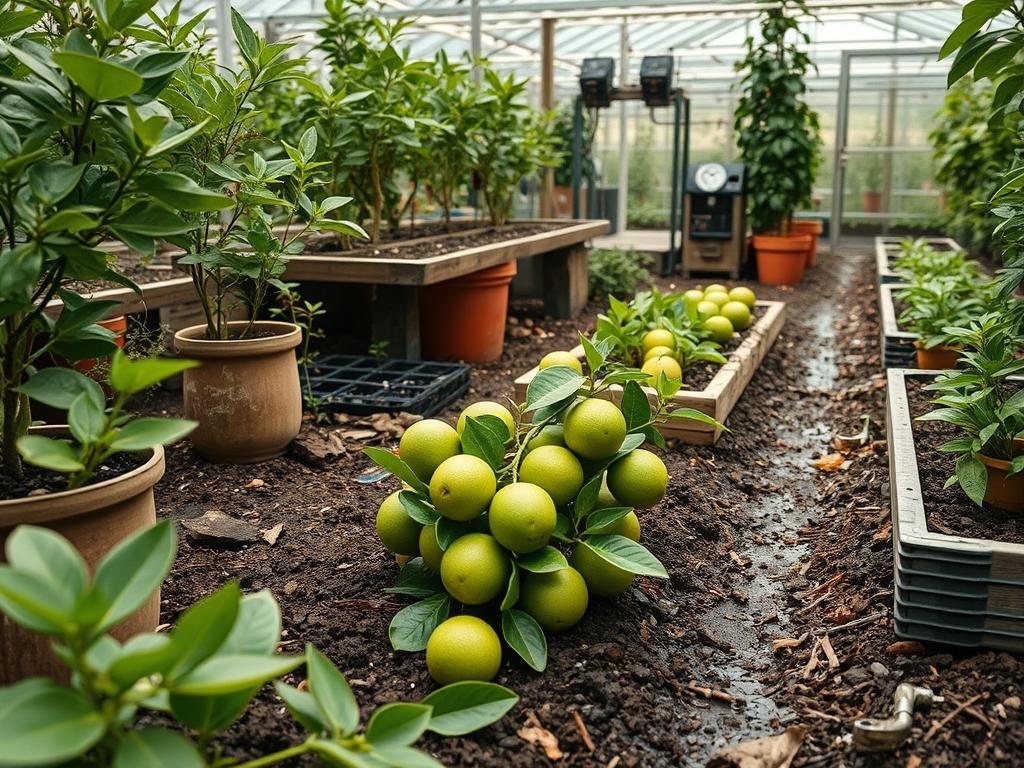
Integrating a productive citrus grove into a residential landscape requires a sophisticated balance between aesthetic appeal and functional sustainability. For many homeowners in sub-tropical climates, the goal of harvesting garden key limes serves as a primary motivator for high-end garden design. However, the architectural challenge involves more than just planting a tree; it requires creating a microclimate that supports fruit production while enhancing the overall curb appeal of the property. A Key Lime tree, known scientifically as Citrus aurantiifolia, offers unique textures and fragrances that can define the character of an outdoor living space. When these trees are positioned correctly, they provide a structural focal point that bridges the gap between ornamental beauty and agricultural utility. The timing of the harvest is not merely a culinary concern but a reflection of the health and maintenance cycle of the entire landscape. To achieve the best flavor profiles for professional-grade pies, the fruit must reach a specific physiological maturity that is often signaled by a subtle shift in the garden’s visual palette.
Effective landscape planning for citrus must account for the spatial footprint and the long-term growth habit of the trees. Unlike generic ornamental shrubs, a Key Lime tree is a permanent structural element that influences drainage patterns and light distribution across the lawn. In modern landscape architecture, we often utilize these trees within a “Zonal Design” framework. This places the productive elements in areas with high visibility and accessibility, ensuring that harvesting garden key limes does not become a laborious chore but a seamless part of the outdoor experience. By considering the elevation of the planting site and the proximity to hardscaped areas like patios or outdoor kitchens, we can ensure that the tree benefits from reflected heat during the winter months while providing a lush, evergreen backdrop for summer gatherings.
Landscape Design Principles
A successful landscape design incorporating citrus relies heavily on the principle of visual hierarchy. The Key Lime tree, with its dense foliage and thorny branches, functions best as a mid-story element. We use it to create transition layers between low-lying ground covers and taller canopy trees. Symmetry is often employed in formal Mediterranean-style gardens where matched pairs of citrus trees flank a stone walkway or a central fountain. This creates a sense of order and pulls the eye toward a specific destination. In more contemporary, asymmetrical designs, a lone citrus tree might be used to balance a heavy structural feature like a retaining wall or a large boulder.
Elevation and layering are critical for both health and aesthetics. We recommend planting on a slight mound or a raised terrace to facilitate the rapid drainage that citrus requires. This prevents water from pooling around the root flare, a common cause of fungal issues that can ruin a harvest. Furthermore, the selection of companion plants should follow a logic of ecological synergy. By surrounding the base of the tree with Lavender or Marigolds, we create a textural contrast that also serves to deter pests. The placement of flagstone walkways or decomposed granite paths around the planting area ensures that the gardener has a stable, clean surface when harvesting garden key limes, preventing soil compaction and protecting the integrity of the root system.
Plant and Material Selection
| Plant Type | Sun Exposure | Soil Needs | Water Demand | Growth Speed | Maintenance Level |
| :— | :— | :— | :— | :— | :— |
| Key Lime Tree | Full Sun (8+ hours) | Well-drained, sandy loam | Moderate/High | Moderate | High |
| Star Jasmine | Full to Partial Sun | Fertile, well-draining | Moderate | Fast | Low |
| Rosemary | Full Sun | Poor to average, dry | Low | Moderate | Low |
| Blue Fescue | Full Sun | Well-drained | Low | Moderate | Low |
| Society Garlic | Full Sun | Adaptable | Low | Fast | Minimal |
Implementation Strategy
The construction of a citrus-centric garden begins with precise site grading. Before the first tree arrives, the land must be shaped to ensure that runoff moves away from the foundation and toward appropriate drainage channels like French drains or dry creek beds. Once the grade is established, we delineate the planting beds using heavy-duty steel edging or natural stone borders. This creates a crisp line that separates the manicured turf from the mulched environment of the citrus.
When planting, the hole should be excavated to twice the width of the root ball but no deeper than its height. It is a professional standard to leave the top 1 inch of the root ball slightly above the surrounding soil level to allow for settling. We fill the void with a mixture of native soil and organic compost, avoiding heavy fertilizers that might burn young roots. Irrigation systems must be designed with dedicated zones; we typically install drip irrigation emitters that deliver water directly to the root zone without wetting the trunk, which reduces the risk of bark rot. Finally, a 3-inch layer of cedar mulch is applied to the surface, keeping it several inches away from the trunk to maintain airflow. This mulch layer preserves moisture and regulates soil temperature, which is essential for the tree to produce the consistent crops required for harvesting garden key limes at their peak.
Common Landscaping Failures
One of the most frequent mistakes in professional landscaping is the over-compaction of soil during the hardscaping phase. Heavy machinery can crush the delicate pore spaces in the soil, leading to poor aeration and stunted tree growth. If the soil is compacted, the Key Lime tree will struggle to establish a robust root system, and the fruit yield will be significantly diminished. Another common failure is the installation of high-output sprinkler heads near citrus trees. Frequent, shallow watering encourages surface roots and makes the tree susceptible to drought stress.
Improper spacing is another professional pitfall. While a young Key Lime looks small in a 15-gallon container, it can eventually reach a width of 10 to 15 feet. Planting it too close to a house or a fence restricts air circulation and makes harvesting garden key limes a difficult task. We also see frequent issues with “volcano mulching,” where mulch is piled high against the bark. This traps moisture and provides a habitat for borers and rot. Professionals must always ensure the root flare is visible to maintain the long-term health of the wood.
Seasonal Maintenance
Maintenance in a citrus-integrated landscape shifts with the seasons to maximize both beauty and fruit quality. During the spring, the focus is on structural pruning. We remove any suckers growing from below the graft union and thin out the interior of the canopy to allow sunlight to reach the center of the tree. This is also the time for a balanced application of citrus-specific fertilizer containing micronutrients like zinc and manganese.
Summer requires diligent water management. In extreme heat, we monitor the soil moisture using tensiometers to ensure the tree does not enter a state of stress that could cause it to drop its fruit prematurely. Autumn is the critical window for harvesting garden key limes. Contrary to popular belief, the best limes for pie are not dark green; they are a pale, translucent yellow. This indicates that the acidity has mellowed and the juice content is at its maximum. If the fruit falls into your hand with a gentle touch, it is ready. Winter maintenance involves frost protection. If temperatures are forecasted to drop below 32 degrees Fahrenheit, we recommend using frost blankets or stringing C9 incandescent lights through the branches to provide a few degrees of warmth, protecting the delicate fruit and evergreen leaves from damage.
Professional Landscaping FAQ
What is the best soil for a Key Lime tree?
A well-draining, sandy loam with a pH between 6.0 and 7.0 is ideal. Ensuring proper drainage is more important than nutrient density, as citrus roots are highly sensitive to standing water and anaerobic conditions.
How do I know when the limes are ready for pie?
For the best culinary results, wait until the fruit turns from vibrant green to a pale, yellowish-green or full yellow. The fruit should feel slightly heavy for its size and release easily from the stem with a light tug.
Can I grow Key Limes in a large planter?
Yes, but you must use a container at least 20 inches in diameter with ample drainage holes. Use a high-quality potting mix and be prepared to fertilize more frequently, as nutrients leach faster from containers than from the ground.
How much sun does my citrus grove need?
To ensure a successful harvest, the trees require at least 8 hours of direct sunlight daily. Insufficient light results in leggy growth, poor flower production, and fruit that lacks the necessary sugar content for high-quality pies.
Are thorns a problem for harvesting garden key limes?
Native Key Limes are notoriously thorny. When planning your landscape, keep these trees away from high-traffic paths where children or pets play. Always wear thick leather gloves and long sleeves during the harvest to prevent scratches.