
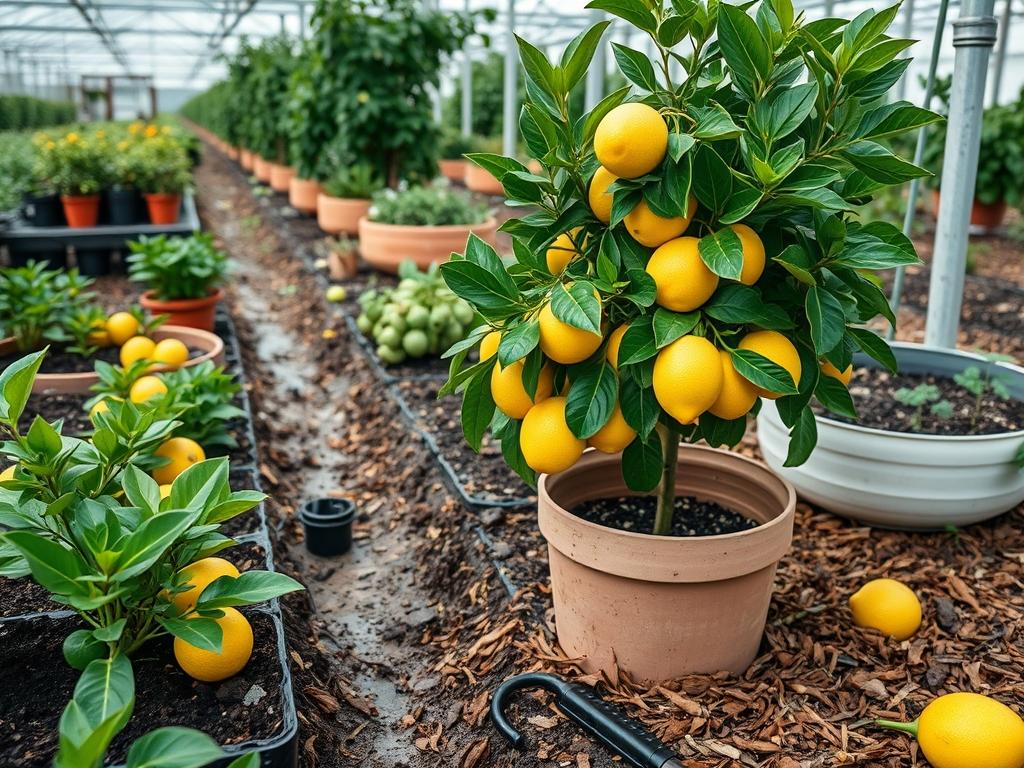
Integrating a fruit-bearing specimen into a high-end residential landscape requires a delicate balance between aesthetic architectural form and agricultural productivity. The act of picking fresh Meyer lemons is the reward of a well-executed outdoor environment, yet this goal faces significant challenges in many climates. As a landscape architect, I view the Meyer Lemon Tree not just as a source of citrus, but as a structural pillar that offers evergreen foliage and fragrant blossoms throughout the year. To succeed, one must consider the microclimate of the site, identifying heat sinks such as south-facing brick walls or stone patios that can radiate warmth during cooler nights. Curb appeal is significantly enhanced when these trees are used as symmetrical anchors or focal points in a courtyard. Functionally, the placement must allow for easy harvesting access while maintaining a clean, professional appearance that does not detract from the overall property value.
Landscape Design Principles
In professional garden planning, symmetry often dictates the placement of citrus. A pair of topiary-style Meyer Lemons flanking a grand entryway creates an immediate sense of formality and luxury. When we design for focal points, we look at the tree’s height and spread. A mature Meyer Lemon can reach ten feet in height, making it an ideal mid-layer element in an multi-tiered garden bed. We often utilize elevation layers by planting the tree on a slight mound or within a raised stone planter. This elevation serves a dual purpose: it creates visual interest and ensures the superior drainage required for citrus health.
Irrigation planning is another pillar of sustainable design. We typically install a dedicated drip irrigation zone for citrus, using pressure-compensating emitters to deliver water directly to the root zone without wetting the trunk. This prevents fungal diseases and conserves water. Walkways are equally important; a path made of decomposed granite or flagstone should lead directly to the harvest area. This ensures that the process of picking fresh Meyer lemons remains a clean, mud-free experience, even after a heavy rain. Finally, visual balance is achieved by underplanting with low-profile textural plants that do not compete with the tree’s nutrient requirements.
Plant and Material Selection
| Plant Type | Sun Exposure | Soil Needs | Water Demand | Growth Speed | Maintenance Level |
| :— | :— | :— | :— | :— | :— |
| Meyer Lemon Tree | Full Sun (8+ hrs) | Well-drained Sandy Loam | Moderate | Moderate | Moderate |
| Creeping Rosemary | Full Sun | Poor to Average Soil | Low | Fast | Low |
| Dwarf Mondo Grass | Part Shade to Sun | Rich, Loamy | Moderate | Slow | Very Low |
| French Lavender | Full Sun | Gritty, Alkaline | Low | Moderate | Moderate |
| Blue Oat Grass | Full Sun | Well-drained | Low | Moderate | Low |
| Star Jasmine | Full to Part Sun | Fertile, Well-drained | Moderate | Fast | Moderate |
Implementation Strategy
The process begins with meticulous site preparation and grading. We start by analyzing the current slope of the backyard to ensure a minimum 2% grade away from any building foundations. If the soil is heavy clay, we implement an engineered soil mix containing 40% coarse sand, 40% organic compost, and 20% native topsoil. Proper drainage is the difference between a thriving harvest and root rot. In many luxury installations, we install a French drain system beneath the planting area to bypass poor-draining subsoil.
Once the grading is established, we mark the layout for the hardscaping. Edging is critical for a clean look; we prefer 1/4-inch powder-coated steel edging to define the transition between turf and garden beds. For the planting process, the hole is dug twice as wide as the root ball but no deeper. This prevents the tree from sinking over time, which can lead to trunk decay. After the tree is set, we apply a 3-inch layer of organic cedar mulch, being careful to keep the mulch six inches away from the tree base. This depth regulates soil temperature and retains moisture during the peak of summer. If the design includes a Mediterranean theme, we might incorporate retaining walls built from natural limestone to create tiered levels, which optimizes sun exposure for the fruit.
Common Landscaping Failures
The most frequent mistake in citrus landscaping is poor drainage management. When a homeowner treats a lemon tree like a standard ornamental shrub, they often overlook the sensitivity of the roots to “wet feet.” Soil compaction is another silent killer. Heavy foot traffic or the use of heavy machinery during construction can crush the soil structure, removing the oxygen pockets that Meyer Lemon roots depend on. We mitigate this by clearly defining paths and using permeable pavers where necessary.
Improper spacing is also a major concern. A young tree in a 5-gallon container looks small, but without accounting for its eventual 8-foot to 10-foot spread, it will soon overcrowd neighboring plants. This competition for light and nutrients results in sparse foliage and a disappointing harvest. Furthermore, irrigation inefficiencies, such as using high-impact spray heads designed for grass, can lead to uneven watering and increased pest pressure from scale and aphids. We always recommend a Smart Irrigation Controller that adjusts based on local weather data to prevent overwatering during humid or rainy periods.
Seasonal Maintenance
Spring is the most active season for landscape management. This is when we apply a high-nitrogen citrus-specific fertilizer with a 13-7-13 ratio to support new growth and bloom production. Pruning should be light, focused on removing “water sprouts” or crossing branches to improve airflow through the canopy. As we move into summer, the focus shifts to deep watering. A mature tree may require 20 to 30 gallons of water per week, delivered in two deep soakings rather than daily light mists.
Autumn requires a reduction in nitrogen to allow the tree to harden off before any potential cold snaps. This is the ideal time to check the mulch depth and replenish areas where it has decomposed. Winter maintenance is largely about protection and harvest optimization. In regions where temperatures may dip below 30 degrees Fahrenheit, we recommend installing frost blankets or stringing old-fashioned deeply-colored incandescent lights through the branches to provide a few degrees of radiant heat. Picking fresh Meyer lemons typically peaks in winter, so keep the walkways clear and the area around the base of the tree free of fallen fruit to discourage rodents.
Professional Landscaping FAQ
How much sun does a Meyer Lemon really need?
For optimal fruit production, these trees require at least eight hours of direct sunlight. While they can survive in partial shade, the fruit will be less sweet and the canopy will become leggy and sparse rather than dense and ornamental.
Can I grow Meyer Lemons in large containers?
Yes, they thrive in large terracotta or glazed ceramic pots. Ensure the container is at least 24 inches in diameter and has multiple drainage holes. Use a high-quality potting mix designed for cactus or citrus to ensure rapid drainage.
What is the best way to prevent root rot?
The primary defense is planting in a raised bed or mound. Ensure the soil is not overly saturated by checking the moisture level four inches below the surface before watering. Always avoid letting the trunk sit in standing water.
Why are the leaves on my tree turning yellow?
Yellowing, or chlorosis, usually indicates a nitrogen deficiency or an iron lockout caused by high soil pH. Test your soil to ensure a pH between 5.5 and 6.5. Apply a chelated iron supplement if the veins remain green while the leaf turns yellow.
When is the best time to prune for fruit production?
The ideal window is late winter or early spring after the risk of frost has passed but before the heavy spring growth begins. Focus on thinning the interior branches to allow sunlight to reach the center of the tree.