
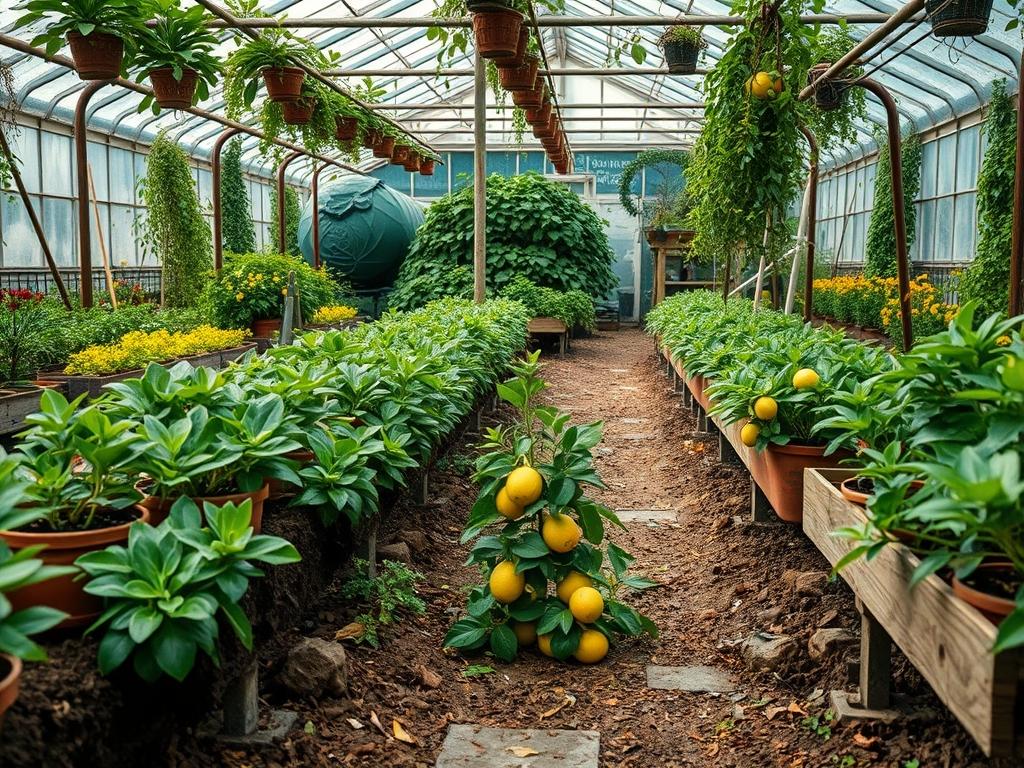
Integrating aromatic perennials into a functional landscape requires a delicate balance between aesthetic appeal and agricultural utility. Harvesting garden bergamot for essential oils is not merely a task of collection; it is the culmination of a well-orchestrated site plan that accounts for soil topography, airflow, and light exposure. In professional landscape architecture, we view the bergamot plant, specifically Monarda fistulosa or Monarda didyma, as a high-performance element that provides vibrant color and pollinator support while serving as a valuable raw material for distillation. The primary challenge involves managing its tendency to spread via rhizomes while ensuring the plants occupy a space where they can be easily accessed for a high-yield harvest. If the site is poorly planned, you risk a patch that is riddled with powdery mildew or one that lacks the terpene concentration necessary for high-quality oil.
To achieve a professional-grade harvest, the landscape must be designed to maximize the essential oil content within the leaves and flowers. This involves more than just planting in a sunny spot. We must consider the microclimates of the property, the drainage capacity of the planting beds, and the proximity to irrigation sources. A well-designed aromatic garden enhances curb appeal by using the plant’s structure to create soft, textured borders that contrast against hardscape elements like paver walkways or natural stone retaining walls. The goal is to transform a utility crop into a visual centerpiece that serves the dual purpose of outdoor living enhancement and botanical production.
Landscape Design Principles
Successful aromatic landscapes rely on the core principle of symmetry and massing. For bergamot to look intentional rather than weedy, it should be planted in large, sweeping drifts. This technique, often used in meadow-style designs, creates a powerful focal point that draws the eye across the yard. By grouping plants by water needs and harvest timing, we create a specialized zone that simplifies maintenance. Symmetry can be achieved by flanking a flagstone path with identical bergamot cultivars, providing a sensory experience as people walk through the garden and brush against the foliage, releasing the citrus-like scent.
Elevation layers are equally critical in a professional layout. Monarda typically grows to a height of 3 to 4 feet, making it an ideal mid-to-back layer plant. We place these behind lower-growing species like Thymus or Lavandula to create a tiered effect that mimics natural ecosystems. This layering is not just for beauty; it also protects the soil from direct sun exposure, which can evaporate the volatile oils we want to preserve in the plant. Furthermore, visual balance is maintained by mixing the fine texture of bergamot leaves with broader-leafed structural plants like Hydrangea or the sharp lines of Ornamental Grasses.
Irrigation planning must be integrated into the design phase. For oil-producing plants, moisture stress should be minimized, yet overwatering can dilute the essential oil chemical profile. We utilize drip irrigation systems hidden beneath a layer of hardwood mulch to deliver water directly to the root zone. This prevents water from sitting on the foliage, which is the primary cause of fungal issues in Monarda species. Proper spacing within the design allows for adequate airflow, which is the most effective preventative measure against the pathogens that thrive in dense, stagnant herbaceous borders.
Plant and Material Selection
Choosing the right variety of bergamot is essential for a high-quality oil yield. While many cultivars exist for ornamental use, the wild types often possess the highest concentrations of thymol and carvacrol.
| Plant Type | Sun Exposure | Soil Needs | Water Demand | Growth Speed | Maintenance Level |
| :— | :— | :— | :— | :— | :— |
| Monarda fistulosa | Full Sun | Well-drained, Loamy | Moderate | Fast | Medium |
| Monarda didyma | Full Sun to Part Shade | Rich, Moist | High | Fast | Medium |
| Citrus bergamia | Full Sun | Sandy, Acidic | Low to Moderate | Slow | High (Climate Dependent) |
| Lavandula angustifolia | Full Sun | Sandy, Alkaline | Low | Moderate | Low |
| Rosmarinus officinalis | Full Sun | Well-drained, Poor | Low | Moderate | Low |
Implementation Strategy
The physical implementation begins with grading and drainage. Before any plants go into the ground, the site must be assessed for water runoff. Bergamot does not tolerate standing water; therefore, we often recommend installing a French drain or adjusting the slope to ensure a 2% grade away from the planting beds. If the soil is heavy clay, the addition of compost and expanded shale is necessary to increase porosity.
Once the grading is complete, we mark the layout using landscaping spray paint or string lines. The beds should be edged with a clean, deep cut or a physical barrier like steel edging to prevent the bergamot rhizomes from encroaching on the lawn or other sensitive garden areas. We space the plants 24 inches apart, measured from the center of each root ball. This might look sparse during the first year, but by year two, the plants will fill in the gaps to create a solid mass of color and fragrance.
After planting, a 3-inch layer of organic mulch is applied. We prefer pine bark nuggets or shredded cedar because they break down slowly and provide a clean backdrop for the vibrant purple and red blooms. For the essential oil enthusiast, a dedicated path made of decomposed granite or pea gravel should be installed through the middle of the patch. This allows the harvester to reach the center of the plants without compactable foot traffic damaging the root systems or the irrigation lines.
Common Landscaping Failures
The most frequent mistake in bergamot cultivation is root overcrowding. Because these plants are vigorous spreaders, they can quickly choke themselves out, leading to a decline in bloom size and oil potency. Typically, every 3 years, the center of the clump will die out, and the plant must be lifted and divided. Ignoring this maintenance task leads to a messy aesthetic and a significant drop in harvestable biomass.
Another critical failure is improper irrigation placement. Many homeowners use overhead oscillating sprinklers, which are disastrous for bergamot. Wet foliage in the presence of heat and humidity leads to powdery mildew, a white fungus that coats the leaves. Not only does this look unsightly in a high-traffic landscape, but it also ruins the leaves for oil extraction. Soil compaction from heavy machinery or frequent walking near the root zone also restricts oxygen flow to the plant, resulting in stunted growth. We solve this by planning clear access paths and using retaining walls to create raised beds where soil remains light and airy.
Seasonal Maintenance
Spring is the season of renewal and structural adjustment. Once the threat of frost has passed, we remove the dead stalks from the previous year using bypass pruners. This is also the time to apply a balanced, slow release fertilizer to kickstart the growth. If the patch has become too dense, spring is the window for dividing the plants and expanding the landscape or sharing with neighbors.
Summer is the peak of the harvest. For the highest essential oil concentration, bergamot should be harvested just as the flowers begin to open. This is usually in mid-to-late summer, depending on the local climate. Using a scythe or sharp garden shears, we cut the top third of the plant. If the harvest is done correctly, the plant will often produce a second, smaller flush of flowers later in the season. During this time, monitoring the drip system is vital to ensure the plants do not wilt in the heat.
In autumn, the focus shifts to aesthetics and winter preparation. After the final harvest, we leave some seed heads for the birds, but most of the foliage can be cut back to 4 inches above the ground. This keeps the garden looking tidy through the dormant months. Applying a fresh layer of mulch in late autumn protects the rhizomes from the freeze-thaw cycles of winter.
Winter maintenance is minimal, focused largely on the hardscape. We inspect retaining walls and walkways for movement and ensure that drainage outlets remain clear of debris. In regions with heavy snow, the structural stems of bergamot can be left standing to provide winter interest, though most landscape architects prefer a clean cut to prevent the spread of dormant fungal spores into the next growing season.
Professional Landscaping FAQ
What is the best time of day to harvest bergamot for oil?
Harvest in the early morning after the dew has evaporated but before the sun reaches its peak. This is when the volatile oil concentration is highest in the foliage and flowers, ensuring a more potent yield for distillation.
How do I prevent bergamot from taking over my entire yard?
Install a physical root barrier or use steel edging sunk 6 inches into the ground. Alternatively, plant them in raised beds or large containers to contain the rhizomes while still allowing the plants to create a lush, massed effect.
Can I grow garden bergamot in a shaded landscape?
While it can survive in partial shade, it will become leggy and produce fewer flowers. For essential oil production, full sun is required to stimulate the production of the aromatic compounds and to keep the foliage dry and fungus-free.
What are the best companion plants for bergamot in a formal garden?
Pair it with Echinacea for color contrast or Salvia for similar water requirements. The structural spikes of Liatris also complement the shaggy flowers of bergamot, creating a visually balanced and ecologically diverse planting zone.
Does mulch affect the quality of the essential oil?
Organic mulches like cedar or pine help maintain consistent soil moisture and temperature, which reduces plant stress. Reduced stress leads to a more stable chemical profile in the plant, ultimately improving the quality of the harvested essential oil.