
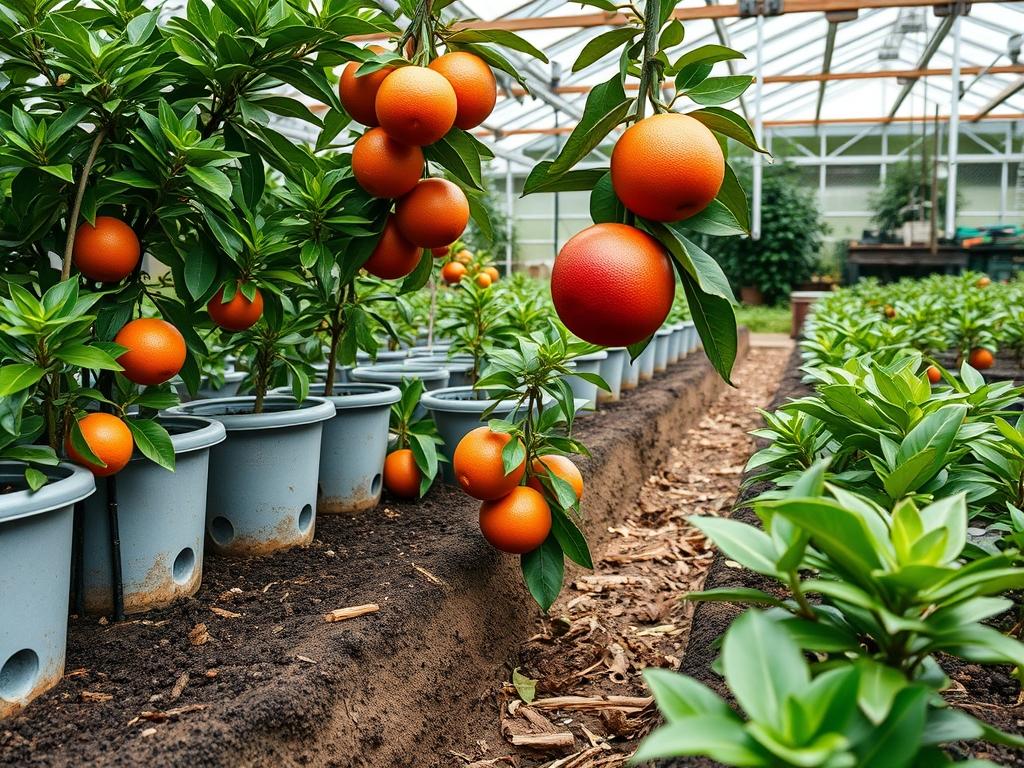
Integrating a specimen such as the Moro Blood Orange or Sanguinelli Blood Orange into a residential landscape requires a sophisticated understanding of both aesthetic balance and microclimate management. These trees serve as more than just fruit producers; they are structural anchors that define the seasonal rhythm of an outdoor space. From a professional architectural perspective, the challenge lies in positioning the tree within a site plan that maximizes sun exposure while maintaining the integrity of the overall garden hierarchy. A blood orange tree offers glossy evergreen foliage and fragrant blossoms, contributing significantly to curb appeal and property value. However, the true complexity of designing with these cultivars involves the physiological requirements for fruit maturation. Unlike standard citrus, the internal pigmentation of a blood orange depends on specific thermal fluctuations. Therefore, the landscaping must be engineered to retain heat during the day and allow for cooler temperatures at night, a process that relies on the strategic placement of Hardscaping materials and air circulation paths.
Designing an outdoor environment that supports the harvesting process begins with the intentional use of space. When Picking Ripe Blood Oranges, the landscape must allow for easy access without compromising the health of the surrounding understory. A well-planned site considers the ultimate canopy spread, which can reach 12 feet to 15 feet in diameter. By establishing clear Walkways and managing Elevation changes, a designer ensures that the tree remains a accessible focal point rather than an overgrown obstacle. The functionality of the garden depends on the harmony between the organic elements and the built infrastructure. Every Retaining Wall and Drainage Surface should serve the health of the root zone, as citrus trees are notoriously sensitive to soil saturation. A professional landscape consultant looks at the site as a holistic system where the harvest is the final reward for precise environmental engineering.
Landscape Design Principles
Symmetry and visual balance are the foundations of a high-end Mediterranean or Tuscan-style landscape design. When using blood orange trees, we often utilize them as axial markers to draw the eye toward an entry or a secondary garden room. If the site is expansive, a duo of Citrus sinensis specimens can frame a transition point between a manicured lawn and a more rugged Native Plant zone. Focal points should be supported by Elevation Layers, using lower-profile shrubs and groundcovers to create a tiered effect that prevents the landscape from feeling flat.
Irrigation planning is perhaps the most critical technical principle for blood orange health and subsequent fruit quality. We implement zoned Drip Irrigation systems that deliver water directly to the root ball without wetting the trunk, which prevents fungal pathogens. Visual balance is achieved by pairing the deep green of the citrus leaves with silver-toned foliage or vibrant perennials that thrive in the same pH 6.0 to 7.0 soil range. Walkways should be constructed using permeable materials like Decomposed Granite or Flagstone to allow water infiltration and avoid creating heat islands that could prematurely stress the trees.
Plant and Material Selection
The following table outlines the essential flora and materials required to build a resilient and productive landscape focused on citrus cultivation.
| Plant Type | Sun Exposure | Soil Needs | Water Demand | Growth Speed | Maintenance Level |
| :— | :— | :— | :— | :— | :— |
| Moro Blood Orange | Full Sun (8+ hours) | Well-drained Loam | Moderate/Consistent | Moderate | High (Pruning) |
| French Lavender | Full Sun | Sandy/Gritty | Low | Fast | Low |
| Creeping Rosemary | Full Sun | Poor to Average | Low | Medium | Low |
| Dwarf Olive Tree | Full Sun | Well-drained | Very Low | Slow | Medium |
| Blue Fescue | Full/Partial Sun | Well-drained | Low | Medium | Low |
| River Rock | N/A (Drainage) | N/A | N/A | N/A | Very Low |
Choice of mulch is equally important. We recommend a 3-inch layer of Arborist Wood Chips or Organic Cedar Mulch to regulate soil temperature. This layer must be kept at least 6 inches away from the tree base to prevent collar rot.
Implementation Strategy
The successful installation of a blood orange focal point requires a systematic approach to site preparation. First, we perform a Soil Perc Test to determine the drainage capacity of the land. If the water does not drain at a rate of at least 1 inch per hour, the implementation must include Grading or the installation of a French Drain. The soil should be amended with high-quality Compost and Organic Bio-stimulants to ensure the young tree has the nutrients required for its first three years of establishment.
When laying out the garden, the Edging should be crisp and permanent, using materials like Corten Steel or Pressure-treated Timbers to separate the citrus basins from the surrounding turf or ornamental beds. This physical barrier prevents competition for nitrogen. During the planting phase, the hole should be twice as wide as the root ball but no deeper. We emphasize that the top of the root flare must remain visible above the final soil line. Once the tree is in the ground, a 5-gallon initial watering is necessary to collapse air pockets. This phase is also the ideal time to install manual Support Stakes if the site is prone to high winds, although these should be removed within 12 months to allow the trunk to strengthen naturally.
Common Landscaping Failures
One of the primary reasons for poor harvest results is improper drainage. Citrus trees in coastal or heavy-clay regions often suffer from root overcrowding and anaerobic soil conditions when planted in low-lying areas. Without proper Grading, water pools around the roots, leading to Phytophthora. Another common mistake is improper spacing. Designers often underestimate the mature width of the tree, leading to the canopy encroaching on Walkways or shading out sun-loving companion plants.
Irrigation inefficiencies also rank high among common failures. Overwatering during the winter months, when the tree is physiologically less active, can dilute the sugars in the fruit and prevent the deep red internal color from developing. Conversely, soil compaction from heavy foot traffic or construction equipment can restrict oxygen flow to the roots. To mitigate this, we recommend installing Aura Pavers or Stepping Stones in high-access areas. Finally, failing to monitor the Nitrogen and Potassium levels in the soil can result in thick rinds and pale internal flesh, ruining the aesthetic and culinary value of the crop.
Seasonal Maintenance
Managing a blood orange landscape is a year-round commitment. In the spring, the focus is on Nutrient Management. We apply a balanced Citrus Fertilizer with a 3-1-1 NPK Ratio to support the flush of new growth and blossom set. Summer maintenance involves moisture monitoring using a Soil Moisture Meter to ensure the tree does not experience drought stress, which can cause the fruit to drop prematurely.
As we move into autumn and winter, the strategy shifts toward the goal of Picking Ripe Blood Oranges. Identifying the internal color is a nuanced process. Because the red pigmentation, known as anthocyanin, is triggered by cold nights followed by warm days, the harvest usually occurs between December and May depending on the variety. To check for ripeness without wasting fruit, a professional look for a slight softening of the rind and a heavy weight for the size of the orange. If there is a light blush of red on the exterior skin, it often indicates a higher concentration of color inside, though this is not a universal rule. The most reliable method is to harvest one fruit from the southern side of the tree, where sugar accumulation is highest, and check the internal juice color. If the juice is a deep burgundy, the tree is ready.
Winter maintenance also includes frost protection. If temperatures are forecasted to drop below 28 degrees Fahrenheit, the use of Frost Blankets or Burlap Wraps is essential. Proper Pruning should be reserved for late winter or early spring after the danger of frost has passed. Using sterilized Pruning Shears, remove any “suckers” growing from below the graft union and thin the interior of the canopy to allow sunlight to reach the trunk, which further aids in the development of the characteristic internal color.
Professional Landscaping FAQ
How do I know when to pick a blood orange?
The most effective way is to sample one fruit. Look for heavy, firm oranges with a slight give. The internal color develops best after several weeks of nighttime temperatures below 45 degrees Fahrenheit.
What is the best mulch for citrus trees?
Use a Coarse Wood Chip or Shredded Bark mulch. Apply it 3 inches deep while keeping it away from the trunk. This regulates soil temperature and moisture, which is vital for consistent fruit quality and tree health.
Can I grow blood oranges in a small garden?
Yes, use a Semi-Dwarf Rootstock. These trees reach approximately 8 feet to 10 feet in height. They fit well into small urban courtyards when provided with at least 8 hours of direct sunlight and well-drained soil.
How do I improve drainage in heavy clay soil?
Construct Raised Planting Mounds or Berms at least 12 inches above the existing grade. Incorporate Organic Matter and ensure the surrounding landscape is graded to direct excess surface water away from the root zone of the tree.
Why does my fruit lack internal red color?
Anthocyanin production requires a significant temperature differential between day and night. If your local climate is consistently warm, the fruit may remain orange internally. Ensure the tree is not over-fertilized with Nitrogen late in the season.