
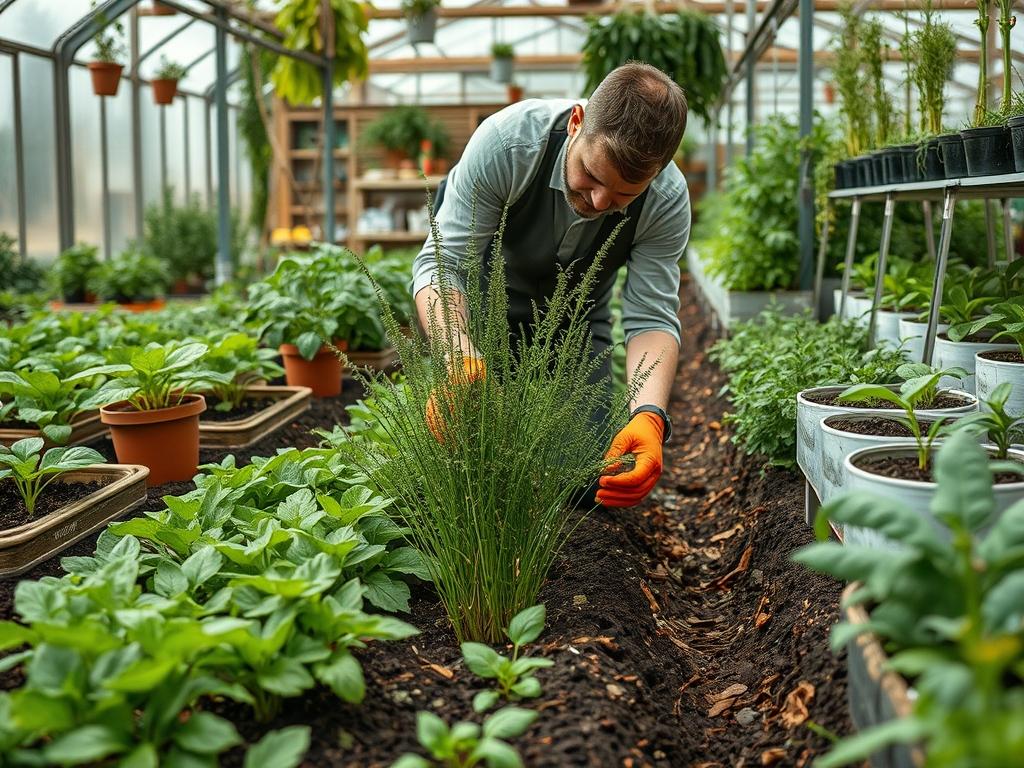
Integrating heritage grains into a residential or estate landscape requires a sophisticated balance between agrarian productivity and architectural elegance. When we approach a project involving the cultivation of ancient cereals, we are not merely planting a crop; we are designing a seasonal tapestry that evolves from vibrant emerald greens in the spring to rich, gilded ambers by late summer. The architectural challenge lies in the transition of these spaces. Unlike a static lawn or a perennial border, a grain field is a living, breathing entity that demands specific site conditions and careful structural planning to maintain curb appeal. A successful design ensures that the process of picking fresh spelt becomes a fluid part of the outdoor living experience rather than a hidden agricultural chore. To achieve this, a consultant must balance the verticality of the stalks with the horizontal planes of walkways and patios. We must also consider the microclimate of the site. Spelt and other ancient grains require exceptional air circulation to prevent fungal issues, making the elevation and orientation of the planting beds a primary concern for any landscape professional.
The functionality of the space is determined by how well the landscape handles the weight of the harvest. Logistically, a harvestable landscape must accommodate the movement of tools and the transport of raw materials without compromising the integrity of the soil or the surrounding ornamentals. By treating the grain as a structural plant, we can utilize its natural height to create soft screening or to define different “rooms” within a sprawling backyard. The aesthetic impact is undeniable. When the wind moves through a stand of Spelt, the sound and motion add a sensory layer that traditional turf cannot replicate. However, this beauty is contingent on rigorous planning. One must account for the life cycle of the grain, ensuring that once the harvest is complete, the landscape does not appear hollow or neglected. This is where the principles of layered planting and succession planning become indispensable for the modern outdoor environment.
Landscape Design Principles
In high end landscape architecture, symmetry and focal points serve as the anchors for the eye. When incorporating ancient grains, we often use the “Rule of Thirds” to divide the space. A central promenade flanked by symmetrical plots of Einkorn or Spelt creates a formal, rhythmic transition through the property. We utilize Elevation Layers to ensure that the grains, which can reach heights of 36 inches to 48 inches, do not obstruct views of lower lying features like water fountains or stone fire pits. By placing the grain beds on a slight rise or behind a low Retaining Wall, we emphasize their stature while providing a clean, finished edge that separates the “wild” look of the grain from the manicured areas of the home.
Irrigation planning is perhaps the most technical aspect of the design phase. Unlike standard turf, which may require frequent shallow watering, grains thrive on deep, infrequent hydration that encourages strong root systems. We install Drip Irrigation Lines hidden beneath a thin layer of fine Cedar Mulch to maintain moisture levels without wetting the foliage, which is critical during the flowering stage. Walkways are another essential element. We recommend using Crushed Decomposed Granite or Stabilized Gravel for paths. These materials provide a firm surface for heavy foot traffic during the harvest while allowing for superior drainage. Visual balance is maintained by surrounding the tall, monolithic grain blocks with fine textured companion plants, such as Lavender or Creeping Thyme, which soften the transition between the grain heads and the hardscaping.
Plant and Material Selection
| Plant Type | Sun Exposure | Soil Needs | Water Demand | Growth Speed | Maintenance Level |
| :— | :— | :— | :— | :— | :— |
| Spelt (Triticum spelta) | Full Sun | Well-Drained Loam | Moderate | Medium | Medium |
| Einkorn (Triticum monococcum) | Full Sun | Rocky/Lean Soil | Low | Slow | Low |
| Emmer (Triticum dicoccum) | Full Sun | High Organic Matter | Moderate | Medium | High |
| Common Barley | Full/Partial Sun | Sandy Soil | Low | Fast | Low |
| Native Prairie Grass | Full Sun | Variable | Very Low | Slow | Very Low |
| Hard Red Wheat | Full Sun | Clay Loam | Moderate | Fast | Medium |
Implementation Strategy
The execution of a grain forward landscape begins with professional Grading. We ensure a slope of at least 2 percent away from any residential structures to prevent water from pooling near the foundations or drowning the delicate root systems of the grains. Once the site is graded, we define the boundaries using Steel Edging or Belgium Block. This creates a permanent, crisp line that contains the grain and prevents it from encroaching on manicured lawn areas. Soil preparation involves tilling in 3 inches of Organic Compost to a depth of 8 inches using a heavy duty Rototiller. This increases the cation exchange capacity of the soil, ensuring the ancient grains have access to the micronutrients they need for nutrient dense seed production.
When planting, we utilize a Seed Drill for larger estates or a manual Broadcast Spreader for smaller garden plots. The goal is even distribution to prevent over crowding, which can lead to “lodging,” where the stems collapse under their own weight. After seeding, we apply a light dusting of Straw Mulch to protect the seeds from birds and to retain surface moisture. As the grain matures, the focus shifts to hardware. We integrate Stone Stepping Stones within the beds themselves. These stones allow the homeowner to access the center of the plot for picking fresh spelt without compacting the soil. Drainage is further managed through the installation of French Drains if the property has a naturally high water table. This prevents the “wet feet” syndrome that often ruins a grain crop before it can be harvested.
Common Landscaping Failures
The most frequent mistake in grain landscaping is improper drainage. If the subsoil is compacted clay, water will sit in the root zone, causing anaerobic conditions that rot the grain from the bottom up. We often see estates where the Irrigation Inefficiency is high because the homeowner is using standard pop-up spray heads designed for grass. These heads coat the grain heads in water, leading to mildew and preventing the grain from drying properly for harvest. Another common failure is Root Overcrowding. If the seeds are sown too densely, the plants compete for light and nutrients, resulting in spindly, weak stalks that cannot support the heavy grain heads during a summer storm.
Improper spacing between the grain beds and large wooden structures or fences can also be problematic. Grains need significant airflow to harden off. If they are tucked into a corner with poor circulation, they will remain damp and susceptible to pests. Furthermore, many owners neglect the Soil Compaction issues caused by heavy machinery during the initial build phase. Without deep aeration, the ancient grains cannot penetrate the soil mantle, leading to stunted growth. Finally, a lack of Edging often results in a “messy” appearance. Without a hard border, the transition from the golden grain to the green lawn looks unintentional and unkempt, which can negatively impact the property’s overall market value.
Seasonal Maintenance
Spring is the season of foundation. This is when we test the soil pH, aiming for a range between 6.0 and 7.5. We apply a balanced Slow Release Fertilizer and begin the first round of weeding. As the grain emerges, consistent monitoring for moisture is required. In the Summer, maintenance shifts to monitoring the color and moisture content of the grain. This is the peak period for picking fresh spelt. The stalks will turn from green to a pale gold. We test the hardness of the kernel with a Grain Moisture Meter to ensure it is under 14 percent for long term storage. During this time, we also prune back any surrounding ornamentals that may be overshadowing the grain.
Autumn is the period of transition and rejuvenation. Once the harvest is complete, the stubble is mowed and either tilled back into the earth or removed to make way for a Winter Cover Crop like Crimson Clover. This protects the soil from erosion and adds nitrogen for the following year. We also perform a deep clean of all Sub-surface Drainage Systems to ensure they are clear of debris before the winter rains or snows arrive. In Winter, the landscape is in a dormant state. We use this time for Hardscape Repair. We inspect Retaining Walls, re-level any shifted Flagstones, and sharpen the blades of the Hand Sickles and Pruning Shears in preparation for the next cycle of growth and harvest.
Professional Landscaping FAQ
How much sun does spelt require?
Spelt requires at least 6 to 8 hours of direct sunlight daily to reach full maturity. Insufficient light results in weak stems and poor grain development, making the harvest difficult and reducing the overall aesthetic quality of the landscape.
Can I grow grains in a small backyard?
Yes, grains can be used as Textural Accents in small spaces. By using Large Planters or raised beds, you can control the soil and drainage perfectly, allowing for a concentrated harvest of fresh grains even on a suburban lot.
What is the best way to prevent grain lodging?
Prevent lodging by avoiding excessive Nitrogen Fertilizers and ensuring proper spacing. Strong airflow and choosing shorter, modern varieties of ancient grains can also help the stalks remain upright during heavy winds or rain events.
Does spelt require a specific irrigation system?
While not mandatory, a Drip Irrigation System is highly recommended. It delivers water directly to the roots, keeping the foliage and grain heads dry, which significantly reduces the risk of fungal diseases and ensures a cleaner harvest.
How do I manage pests in a grain landscape?
Utilize Integrated Pest Management by encouraging beneficial insects and birds. Maintaining a clean perimeter with Steel Edging and removing fallen debris keeps many common grain pests at bay without the need for heavy chemical intervention.