
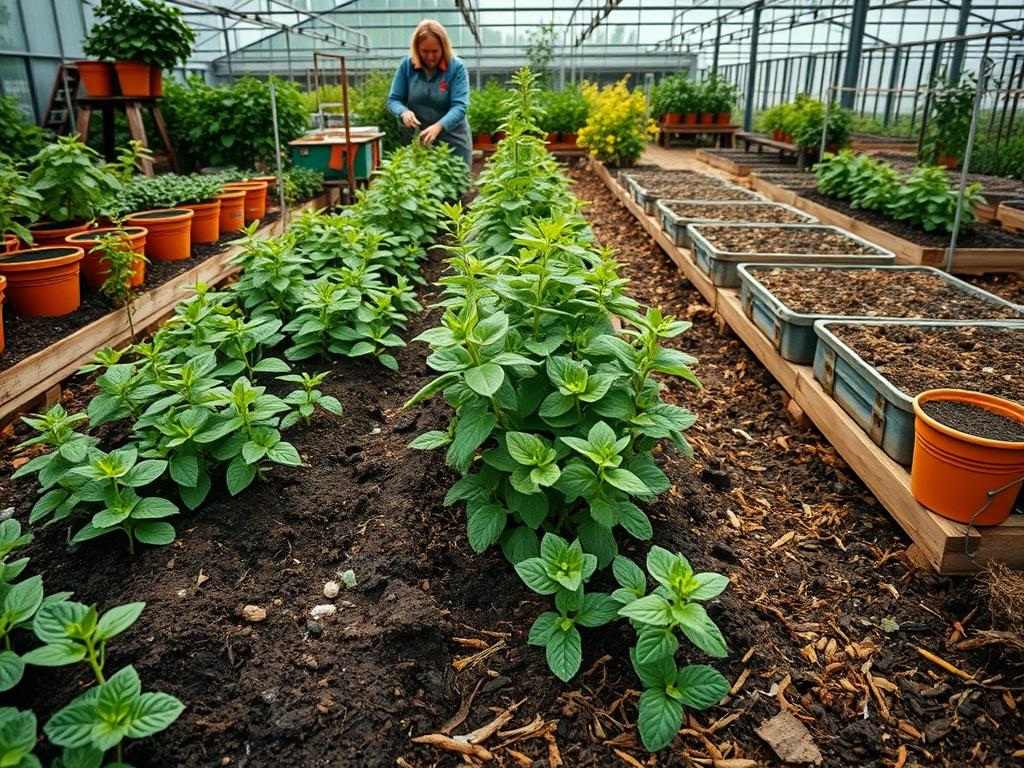
The integration of culinary herbs into a high-end residential landscape requires a delicate balance between aesthetic form and functional utility. When a homeowner requests a dedicated space for picking fresh spearmint, the architect must look beyond the simple planter box. The challenge lies in the aggressive nature of the Spearmint plant, which is known for its rhizomatous growth pattern that can quickly overwhelm a curated garden bed if not professionally managed. From a design perspective, the goal is to create a sensory station that enhances curb appeal while remaining tucked within an accessible reach of the outdoor kitchen or entertainment suite. This involves careful consideration of microclimates, as mint thrives in temperate conditions but requires consistent soil moisture to produce the high essential oil content necessary for a premium mojito. By treating the herb garden as a deliberate architectural feature, we can elevate the act of harvesting from a chore to a ritual. The positioning of these plants affects the visual flow of the landscape, acting as a soft, verdant filler that contrasts against the rigid lines of basalt pavers or limestone retaining walls.
Landscape Design Principles
Successful landscape design relies on the core principles of symmetry, focal points, and elevation layers to create a cohesive environment. When planning a space centered around herbaceous perennials like Spearmint, symmetry is often achieved by mirroring plant beds on either side of a walkway or using identical stone vessels to house the mint. This provides a sense of order in what could otherwise become an unruly growth area. Focal points are essential for drawing the eye; a tiered fountain or a sculptural weathering steel planter can serve as the centerpiece of a mojito garden, providing both a visual anchor and a structural boundary for the invasive roots.
Elevation layers are particularly important for accessibility and drainage. Raising the planting site by 18 to 24 inches using masonry walls allows the gardener to engage in picking fresh spearmint without excessive bending, which is a key consideration in ergonomic landscape design. These vertical elements also allow for sub-irrigation systems to be tucked away out of sight, ensuring that the water demand is met without unsightly hoses. Furthermore, visual balance is maintained by pairing the fine texture of mint leaves with broader-leafed companion plants or architectural hardscaping. Transitioning from a stone patio to a soft herb border requires careful grading to ensure that runoff does not pool at the base of the masonry, which could lead to efflorescence or structural degradation over time. By incorporating logical walkways made of decomposed granite or flagstone, the architect ensures that the path to the harvest is clean and well-defined, protecting both the lawn and the user’s footwear.
Plant and Material Selection
Selecting the right cultivars and hardscape materials is the foundation of a long-lasting outdoor environment. While Spearmint is the primary focus, it must be supported by materials that handle high moisture levels and plants that share similar cultural requirements.
| Plant Type | Sun Exposure | Soil Needs | Water Demand | Growth Speed | Maintenance Level |
| :— | :— | :— | :— | :— | :— |
| Spearmint | Full to Partial | Rich, Loamy | High | Aggressive | Moderate |
| Key Lime | Full Sun | Well-drained | Medium | Slow | High |
| Lemongrass | Full Sun | Sandy, Moist | High | Fast | Low |
| Sweet Basil | Full Sun | Well-drained | Medium | Moderate | Moderate |
| Lavender | Full Sun | Gritty, Alkaline| Low | Moderate | Low |
For the hardscaping, we recommend specifying non-porous stone or high-density concrete for any containers. If the mint is to be planted in-ground, a HDPE root barrier should be installed to a depth of at least 12 inches to prevent the rhizomes from migrating into the surrounding turf or ornamental beds.
Implementation Strategy
The implementation of a culinary landscape begins with precise site grading. The area must be sloped at a minimum of 2 percent away from any building foundations to prevent water ingress. Once the grade is established, the layout of the herb zones should be marked using surveyor’s tape. If you are building a raised mojito garden, the first course of retaining wall block must be set on a compacted base of Class 5 gravel to ensure long-term stability.
For the planting phase, start by digging a trench for the edging. Professional grade steel edging or heavy-duty plastic should rise approximately 2 inches above the soil line to deflect surface runners. The soil within the mint zone should be amended with organic compost and vermiculite to retain moisture while allowing for adequate aeration. When picking fresh spearmint becomes the primary use case, spacing is vital. Install the young plants 15 inches apart. This may seem sparse initially, but the aggressive growth will fill the gaps within a single season.
After planting, apply a 2-part mulch strategy. A bottom layer of fine-textured compost provides nutrients, while a top layer of shredded cedar helps regulate soil temperature and suppress weeds. Finally, the irrigation system should be calibrated. We recommend a pressure-compensated drip line snaked through the bed, which delivers water directly to the root zone, reducing the risk of fungal leaf spots that can occur with overhead spraying.
Common Landscaping Failures
The most frequent mistake in culinary landscaping is failing to contain invasive species. Without a physical barrier, mint will quickly transition from a garden herb to a lawn weed, choking out high-value turf like Kentucky Bluegrass. Another common failure is poor drainage planning. While mint loves water, stagnant water leads to root rot and attracts unwanted insects like fungus gnats. Architects must ensure that every planter or raised bed has adequate weep holes and a drainage layer consisting of one-inch river rock.
Improper spacing and overcrowding are also prevalent issues. In an attempt to achieve an instant lush look, many installers plant mint too densely. This leads to poor air circulation, which is a primary driver for powdery mildew. Furthermore, soil compaction is a silent killer in high-traffic areas. When people frequent a specific spot for picking fresh spearmint, the soil becomes packed down, preventing oxygen from reaching the roots. To combat this, the design should always include a dedicated standing area or stepping stones within the herb bed to distribute the weight of the harvester.
Seasonal Maintenance
A professional landscape requires a proactive maintenance schedule to preserve its aesthetic and productive value. In the spring, the focus is on rejuvenation. Once the soil thaws, prune back any dead woody stems from the previous year to make room for new growth. This is also the ideal time to apply a slow-release 10-10-10 fertilizer to jump-start the foliage production.
During the summer, the priority shifts to moisture management and harvest techniques. Picking fresh spearmint should be done regularly to prevent the plant from flowering. Once it bolts to seed, the flavor of the leaves changes, becoming more bitter and less suitable for cocktails. The best technique is to pinch off the top three inches of the stems just above a leaf node, which encourages the plant to grow bushier rather than taller.
In autumn, the landscape should be prepared for dormancy. Reduce irrigation frequency as temperatures drop. If you live in a region with harsh winters, apply an extra 3 inches of mulch to protect the root crown from freeze-thaw cycles. Winter maintenance is minimal, but it is the perfect time for the architect to review the structural integrity of hardscape elements and plan for any necessary soil amendments or plant divisions in the coming spring.
Professional Landscaping FAQ
How do I prevent mint from taking over my yard?
Install a physical root barrier of at least 12 inches in depth using professional-grade plastic or steel. Alternatively, keep the mint in a submerged container with the rim protruding above the soil to block runners from escaping.
What is the best time of day to harvest mint?
Harvest your herbs in the early morning after the dew has evaporated but before the sun is at its peak. This is when the essential oils are most concentrated, providing the most potent flavor for beverages and garnishes.
Does mint require a specific type of irrigation?
Drip irrigation is superior for mint as it maintains consistent soil moisture without wetting the foliage. This prevents common fungal issues like rust and mildew while ensuring the plant has the high water volume it requires to thrive.
Can I grow spearmint and peppermint in the same bed?
It is not recommended because they will likely cross-pollinate or their runners will tangle, making it difficult to distinguish them. For a clean landscape design, separate different mint varieties with at least five feet of space or individual containers.
How often should I replace my mint plants?
Mint is a vigorous perennial, but it can become woody and less productive over time. Every three years, dig up the root ball, divide it, and replant the healthiest sections in fresh, amended soil to maintain high-quality foliage for harvesting.