
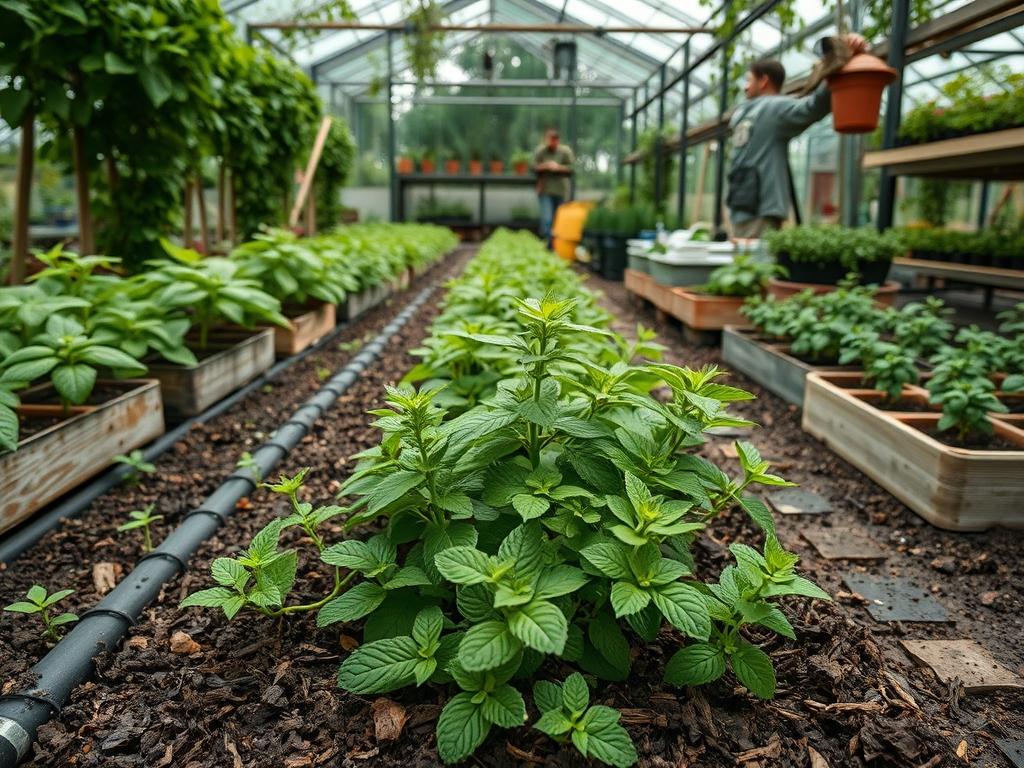
Integrating a fragrant herb such as Mentha x piperita into a sophisticated residential landscape requires more than just a dedicated patch of soil. It demands an understanding of microclimates, daily biological rhythms, and the structural integrity of the garden layout. When we discuss harvesting garden peppermint, timing is paramount. For the professional designer or outdoor consultant, this timing dictates the placement of the plant relative to morning sun exposure and accessibility. The peak concentration of menthol and other essential oils occurs just as the morning dew evaporates but before the intense midday heat begins its extraction process. If a practitioner waits until the afternoon, the sun draws these volatile compounds out, leaving the foliage less potent and the plant more susceptible to transplant or harvest shock. This metabolic peak aligns with the ideal aesthetic state of the garden, where moisture levels are balanced and the plant tissues are at their most turgid.
From a landscape architecture perspective, the functionality of a garden is measured by how well its components serve the inhabitants. A sensory garden or a chef’s kitchen extension relies on the vitality of its botanical specimens. Harvesting garden peppermint in the morning ensures that the oils responsible for its signature aroma are trapped within the leaf structure. This provides the highest quality yield for culinary or medicinal use while maintaining the plant’s health within its designated zone. In professional site planning, we often place these aromatic herbs near transitions between hardscape and softscape, such as along a flagstone walkway or tucked into a raised limestone planter. This placement allows the fragrance to be released when the foliage is brushed, but the ritual of the morning harvest is what truly maximizes the plant’s value.
The outdoor environment is a living laboratory where elevation, drainage, and light work in concert. Peppermint is a vigorous grower that can quickly cross the line from a lush groundcover to an invasive nuisance. Therefore, the implementation of a professional harvesting schedule is a form of maintenance that doubles as a growth control mechanism. By harvesting in the morning, the gardener works with the plant’s natural hydraulic pressure. The stems are crisp, the cuts are cleaner, and the risk of introducing pathogens through jagged wounds is significantly reduced. This attention to detail reflects a broader commitment to horticultural excellence and the long-term sustainability of the landscape design.
Landscape Design Principles
In the realm of high-end landscape architecture, we prioritize the concept of zonation. Peppermint should be located in what we call Zone 1, an area closest to the primary residence or outdoor kitchen, to facilitate easy access during those critical morning hours. Symmetry and focal points play a vital role here. A pair of mirrored terracotta containers at the entrance of a terrace can house peppermint, providing a visual anchor that is both functional and aesthetically pleasing. Using peppermint as a focal point in a small-scale garden requires containment to manage its aggressive rhizomes, which can be achieved through subterranean barriers or elevated planters.
Elevation layers are equally important. We often design gardens with tiered levels to create depth and visual interest. Placing mint at a mid-level elevation, perhaps supported by a dry-stack stone wall, puts the plant at a comfortable height for harvesting without requiring the gardener to squat or bend excessively. This ergonomic consideration is a hallmark of thoughtful design. Furthermore, the inclusion of peppermint contributes to the visual balance of a garden by providing a dense, vibrant green texture that contrasts beautifully against the coarse grain of decomposed granite or the smooth finish of poured concrete pavers.
Irrigation planning must also be integrated into the design principle. Peppermint thrives in consistently moist environments. We typically specify a subsurface drip irrigation system for these areas to ensure deep root hydration without wetting the leaves, which can lead to fungal issues. By maintaining a steady moisture profile, the plant is ready for a morning harvest everyday, as the cells are fully hydrated and the essential oils are protected from the evaporative stress found in poorly irrigated landscapes.
Plant and Material Selection
The following table outlines the components necessary for a successful aromatic herb integration within a professional landscape. Choosing the right companions and materials is essential for maintaining the health of the primary species.
| Plant Type | Sun Exposure | Soil Needs | Water Demand | Growth Speed | Maintenance Level |
| :— | :— | :— | :— | :— | :— |
| Peppermint | Partial to Full Sun | Rich, Loamy | High | Aggressive | Moderate |
| Spearmint | Partial Sun | Moist, Fertile | High | Fast | Moderate |
| Lavender | Full Sun | Well-drained | Low | Moderate | Low |
| Rosemary | Full Sun | Sandy, Dry | Low | Moderate | Low |
| Creeping Thyme | Full Sun | Well-drained | Medium | Moderate | Low |
| Lemon Balm | Partial Sun | Rich Soil | Medium | Fast | Moderate |
For the hardscape elements, we recommend using powder-coated aluminum edging to contain the mint’s root system. If the goal is a more rustic aesthetic, cedar boards or basalt blocks can be used, provided they are installed with a root barrier that extends at least 12 inches below the soil surface. Selecting a high-quality organic mulch, such as shredded hardwood or pine bark, helps retain moisture and provides a clean backdrop for the vibrant green foliage.
Implementation Strategy
The successful deployment of a peppermint zone begins with grading and soil preparation. Ensure the site has a 2 percent slope away from any structural foundations to prevent stagnant water. Once the grade is established, the soil should be amended with organic compost to improve the cation exchange capacity, which is vital for the nutrient-heavy peppermint plant. When laying out the garden, use a measuring tape to mark intervals of 18 inches between each peppermint starter. This spacing allows for adequate airflow, which is critical for preventing powdery mildew in the humid morning air.
For the hardscaping, install a compacted gravel base beneath any walkways to ensure stability. If the mint is to be planted in-ground, use a trenching spade to install a heavy-duty plastic root guard. This prevents the peppermint from colonizing the rest of the landscape. After planting, add a 3 inch layer of mulch around the base of the plants, keeping the mulch away from the direct stems to avoid rot. Finally, calibrate the irrigation timer to deliver water in the pre-dawn hours. This ensures the plant is fully hydrated before the morning harvest, allowing you to reap the benefits of the highest oil concentration.
Common Landscaping Failures
One of the most frequent mistakes in herb gardening is improper drainage. While peppermint likes moisture, it will not survive in compacted soil that lacks oxygen. Soil compaction prevents proper root respiration and can lead to a stunted, yellowing plant that produces poor quality oils. Another failure is the lack of structural containment. Without steel edging or a similar barrier, peppermint will invade lawns and flower beds, turning a controlled design into a maintenance nightmare.
Root overcrowding is also a concern. As the plant spreads within its container or designated zone, the center can become woody and unproductive. Professional landscapers avoid this by scheduling a rejuvenation pruning every two to three years. Irrigation inefficiencies, such as overhead spraying, can damage the delicate leaves and wash away the very oils you are trying to preserve for a morning harvest. Always opt for ground-level delivery systems to protect the foliage.
Seasonal Maintenance
Seasonal care is the backbone of a thriving landscape. In the spring, apply a balanced liquid fertilizer to jumpstart growth. This is the time to thin out any dead wood and ensure the irrigation emitters are free of debris. As summer arrives, the focus shifts to harvesting. Regular harvesting in the morning encourages the plant to branch out, creating a fuller and more robust aesthetic. If the plant begins to flower, pinch the buds back to keep the energy focused on leaf and oil production.
In autumn, the growth speed will slow. This is the time to cut the peppermint back to within 2 inches of the ground. This helps the plant conserve energy during the dormant months and prevents pests from overwintering in the foliage. For winter protection, especially in colder climates, add an extra 2 inches of mulch to insulate the root ball. If established in containers, consider moving them to a sheltered location to prevent the soil from freezing solid and cracking the pots.
Professional Landscaping FAQ
How does harvesting in the morning benefit the plant’s recovery?
Morning temperatures are lower, which minimizes moisture loss from the cut stems. This allows the plant to seal the wound quickly using its natural hydraulic pressure, reducing the overall stress on the specimen during the heat of the day.
What is the best tool for harvesting garden peppermint?
A sharp pair of bypass pruners or stainless steel garden shears is best. Clean, sharp blades ensure a precise cut without crushing the vascular tissue, which preserves the essential oils and promotes healthier regrowth for the next cycle.
Can peppermint be planted directly next to a foundation?
It is not recommended. Peppermint’s high water requirement can lead to moisture buildup near the foundation, potentially causing structural issues. Maintain a distance of at least 3 feet and use a waterproof liner or container to protect the building.
Why is organic mulch better than rock mulch for mint?
Organic mulch breaks down over time, adding vital nutrients back into the soil that peppermint needs for its rapid growth. Rock mulch can retain too much heat during the afternoon, which stresses the plant and evaporates the essential oils.
How often should I replace my peppermint plants?
With proper maintenance and morning harvesting, peppermint can thrive for many years. However, every 3 to 4 years, it is beneficial to lift, divide, and replant the strongest sections to prevent the bed from becoming overly woody and unproductive.