
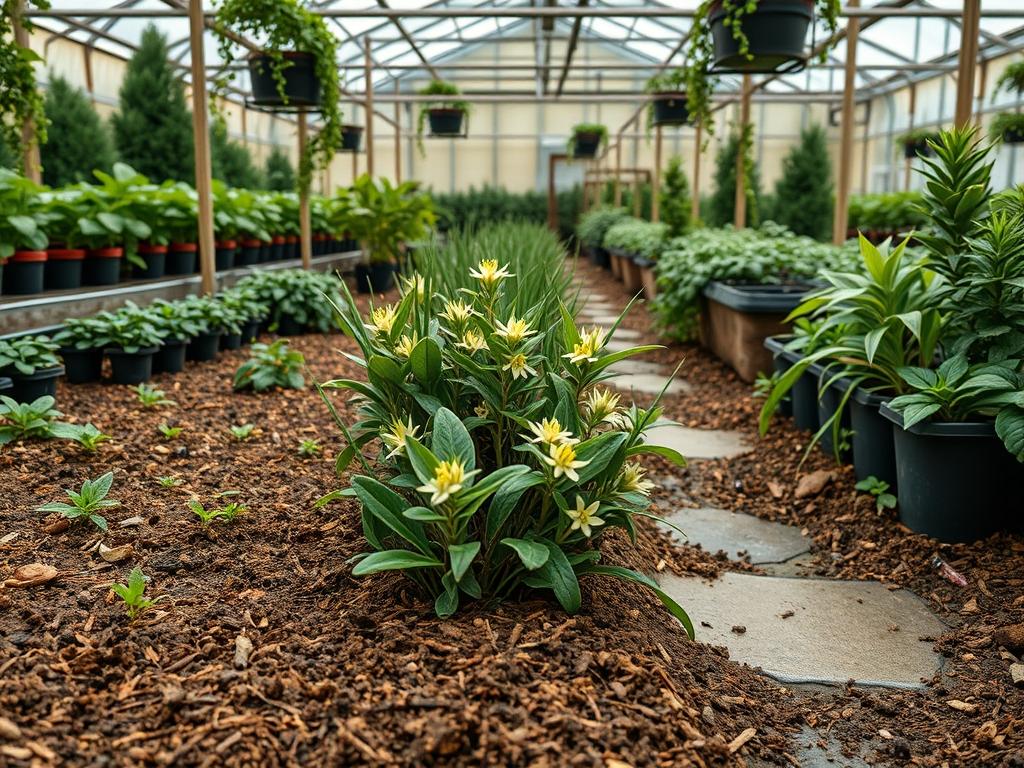
Incorporating medicinal herbs into a master landscape plan requires a nuanced understanding of both aesthetic structure and botanical utility. Many homeowners view their gardens strictly through the lens of curb appeal, yet the modern trend toward functional landscapes emphasizes the dual-purpose value of plants like Hypericum perforatum. This species, commonly known as St. John’s Wort, serves as a hardy groundcover that stabilizes soil on steep elevations while providing a rich harvest of bright yellow blooms. Integrating these specimens into a professional design involves overcoming certain challenges, such as managing their aggressive spreading nature and ensuring they are positioned for optimal sunlight. A well-designed landscape that prioritizes Picking Fresh St. Johns Wort must account for the plant’s lifecycle, ensuring that the harvest does not leave the garden looking sparse or neglected during the peak of summer.
A successful outdoor environment bridges the gap between wild ecology and curated architecture. When we design a therapeutic garden, we evaluate the site’s microclimate, focusing on drainage patterns and sun exposure to maximize the chemical potency of the flora. St. John’s Wort thrives in well-drained, sandy loam, making it an ideal candidate for retaining walls or rock gardens. From a consultant’s perspective, the goal is to create a space that feels intentional. This means placing these herbs where their golden flowers can serve as a visual focal point against darker evergreens or structural hardscaping. The functionality of the site increases when pathways are wide enough for maintenance and extraction. By strategically planning the layout, the act of Picking Fresh St. Johns Wort becomes a seamless part of the outdoor living experience rather than a chore performed in a cluttered corner of the yard.
Landscape Design Principles
Symmetry and balance are the hallmarks of a professional outdoor environment. In larger residential estates, we often use Hypericum as a transitional element between formal lawn areas and wilder, native zones. This creates a visual gradient that softens the harsh lines of a home’s foundation. To achieve this, landscape architects employ the principle of layering. The shortest varieties are placed near walkways using flagstone or pavers, while taller woody shrubs offer vertical interest behind them. This layering ensures that every plant receives sufficient airflow, which is critical for preventing the fungal issues that can plague dense herbal mats.
Elevation play is another vital principle. Using St. Johns Wort on a slope provides excellent erosion control due to its extensive root system. When planning the irrigation zones, it is essential to group this plant with other drought-tolerant species to prevent over-saturation. A professional plan will also include specific “access nodes.” These are designated spots along a gravel path or stepping stone trail where the resident can reach the center of a planting bed for Picking Fresh St. Johns Wort without compacting the soil or damaging the surrounding foliage. Visual balance is maintained by ensuring that the golden-yellow blooms of the mid-summer harvest are countered by plants that flower later in the season, such as Purple Coneflower or Sedum Autumn Joy.
Plant and Material Selection
The following table provides a professional overview of the species used in therapeutic landscape designs and their specific site requirements.
| Plant Type | Sun Exposure | Soil Needs | Water Demand | Growth Speed | Maintenance Level |
| :— | :— | :— | :— | :— | :— |
| Common St. Johns Wort | Full Sun | Sandy/Well-drained | Low to Medium | Fast | Moderate |
| Bushy St. Johns Wort | Full/Partial Sun | Loamy/Moist | Medium | Moderate | Low |
| Creeping Hypericum | Full Sun | Any/Well-drained | Low | Very Fast | Easy |
| English Lavender | Full Sun | Gritty/Alkaline | Very Low | Slow | Moderate |
| Creeping Thyme | Full Sun | Thin/Rock-heavy | Low | Moderate | Easy |
Selecting the right materials for the surrounding environment is just as important as the plants themselves. For the beds, we recommend a high-quality cedar mulch or pine bark nuggets at a depth of 3 inches to regulate soil temperature. Landscape fabric should generally be avoided in these areas, as it can interfere with the self-seeding tendencies and root expansion of certain Hypericum cultivars. Instead, a thick layer of organic mulch combined with high-density planting will naturally suppress weeds over time.
Implementation Strategy
Planning a backyard layout for both beauty and harvest requires a phased implementation strategy. First, we address the grading of the site. Any area intended for St. John’s Wort must have a positive slope away from the home’s foundation to ensure water does not pool around the roots. Once the grade is established, we use steel edging or cobblestone borders to define the planting beds. This creates a clean “curb” look that prevents the herbs from migrating into the turf grass.
The next step is soil preparation. We often incorporate compost and coarse sand to a depth of 10 inches to improve the aeration of heavy clay soils. After the soil is prepped, we install a drip irrigation system with emitters spaced 12 inches apart. This system delivers water directly to the roots, keeping the foliage dry and reducing the risk of rust or leaf spot diseases. When the actual planting begins, we space the Hypericum plugs based on their mature spread. For a groundcover effect, a triangular spacing pattern is most effective. This ensures full coverage by the second growing season.
When it comes to the harvest, timing is everything. Picking Fresh St. Johns Wort should coincide with the Summer Solstice, when the yellow flowers are fully open and the oil-producing glands are most visible. We recommend using focused bypass pruners or floral snips to take only the top 4 to 6 inches of the flowering stems. This method acts as a mid-season pruning, encouraging the plant to flush with new green growth and maintaining the structural integrity of the landscape bed.
Common Landscaping Failures
The most frequent mistake seen in amateur installations is improper drainage. St. John’s Wort will suffer from root rot in less than 48 hours if it sits in standing water. If your site has a high water table, consider building raised beds or a French drain to divert excess moisture. Another common failure is root overcrowding. While massing plants creates immediate impact, failing to account for the mature width of the species leads to poor air circulation and a “leggy” appearance where the bottom of the plant loses its leaves.
Soil compaction is a silent killer in many urban landscapes. If the area where you are Picking Fresh St. Johns Wort is frequently walked upon without designated paths, the soil will become dense, preventing oxygen from reaching the roots. To fix this, always include a functional hardscape element like slate stepping stones. Finally, irrigation inefficiency often stems from using overhead sprinklers. Watering at night or during high humidity without a drip system can ruin the harvest by introducing mold to the flower heads, rendering them useless for infusion.
Seasonal Maintenance
Seasonal management begins in early spring with a rigorous cleanup. Using a rake, remove any winter debris or fallen leaves that have collected in the base of the shrubs. This is also the time to apply a balanced 10-10-10 fertilizer to jumpstart the spring growth. As summer approaches, the focus shifts to monitoring water needs and preparing for the harvest. Picking Fresh St. Johns Wort should be done on a dry morning after the dew has evaporated but before the heat of the afternoon sun begins to wilt the petals.
In the autumn, we recommend a light shearing of the plants to maintain their shape, though you should avoid heavy pruning until the plant has fully entered its dormant state. During winter, the structure of the plant remains as a textured element in the garden, particularly if you have chosen the woodier Shrubby St. Johns Wort variety. In regions with heavy snow, the dried seed pods provide visual interest and food for local bird populations. A final layer of shredded hardwood mulch applied in late November will protect the root crown from the freeze-thaw cycles of winter.
Professional Landscaping FAQ
What is the best time of day for picking fresh blossoms?
The ideal window for picking occurs in the mid-morning after dew has dried. Sunlight helps the flowers open fully, ensuring the highest concentration of hypericin, the active compound within the foliage and yellow petals.
Can St. Johns Wort grow in full shade?
While it can survive in partial shade, it will produce significantly fewer flowers and become leggy. Full sun is required for the dense growth habit and the abundant bloom production necessary for a successful landscape harvest.
How do I prevent the plant from becoming invasive?
Use professional root barriers or metal edging to contain the spread. Regular pruning and removing spent flower heads before they go to seed will also help limit the plant’s spread to specific areas of your garden.
Does this plant require high-nitrogen fertilizer?
No, excessive nitrogen promotes foliage at the expense of flowers. Use a balanced, slow-release fertilizer in early spring. Over-fertilizing can lead to weak stems that flop over, ruining the symmetrical look of your landscape design.
What should I do if my plants show rust spots?
Improve air circulation by thinning out the center of the plants with shears. Ensure you are using drip irrigation rather than overhead watering. Affected foliage should be removed and disposed of to prevent the spores from spreading.