
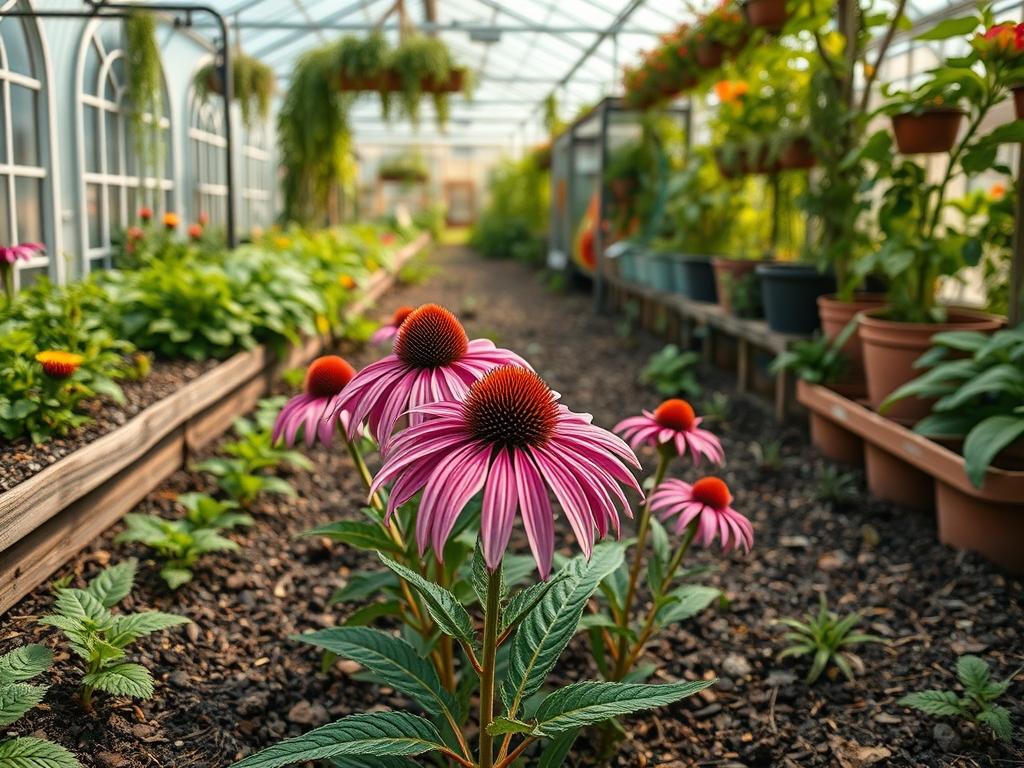
Transitioning a residential backyard into a functional, aesthetic meadow requires more than just scattering seeds; it demands a purposeful architectural approach. Echinacea, commonly known as Purple Coneflower, serves as a structural backbone for sun-drenched landscapes due to its rigid stems and persistent blooms. When the primary goal involves harvesting garden echinacea for home use, the landscape design must prioritize accessibility, plant health, and visual continuity. A well-planned garden ensures that removing stems for tinctures or floral arrangements does not leave unsightly gaps in the curb appeal. Successful integration relies on understanding the plant lifecycle within the local climate, typically thriving in USDA zones 3 to 9, where it provides both drought resistance and nectar for native pollinators. By treating these perennials as both a crop and a design element, homeowners can achieve a balance between a productive medicinal garden and a high-end outdoor living space.
The landscaping challenge often lies in the aggressive nature of certain cultivars and the potential for a “weedy” appearance if the garden is not properly framed. From a professional perspective, the functionality of the harvest should never compromise the outdoor functionality goals of the property. For instance, creating harvest-ready zones requires the use of Gravel Paths or Flagstone Walkways that allow the gardener to reach the center of a bed without compacting the soil around the delicate root systems. Furthermore, the climate considerations for echinacea involve managing humidity levels, as poor airflow can lead to fungal issues that ruin the harvest. A strategic plan incorporates proper spacing, grading for drainage, and the selection of companion plants that complement the aesthetic while supporting the health of the echinacea.
Landscape Design Principles
Professional landscape design for a harvest-focused garden relies on symmetry and the creation of clear focal points to guide the eye. When harvesting garden echinacea, the gardener often removes the most prominent flowers, which can temporarily disrupt the visual balance of the site. To mitigate this, I recommend a layered approach to elevation. By placing Echinacea purpurea in the mid-layer of a perennial border, you can hide the cut stems behind shorter, denser foreground plants like Salvia or Sedum. This ensures that the landscape remains lush even after a significant harvest. Symmetry can be maintained by planting echinacea in clusters rather than single rows, which mimics natural meadow patterns and provides a dense pop of color that remains impactful even when partially thinned.
Visual balance is also achieved through the use of hardscaping. A Low Retaining Wall built from Natural Limestone or Stacked Slate can provide a clean edge to a wilder echinacea planting, signaling that the garden is intentional rather than neglected. Irrigation planning is another critical design principle. While echinacea is drought-tolerant once established, a medicinal garden requires consistent moisture to produce high-quality blooms and roots. I suggest installing a Drip Irrigation System buried beneath two inches of Hardwood Mulch. This keeps the foliage dry, reducing the risk of powdery mildew, while delivering water directly to the root zone, ensuring the plants have the vigor required to recover from harvesting.
Plant and Material Selection
Selecting the right materials is the difference between a garden that flourishes and one that requires constant intervention. The following table outlines the requirements for various echinacea species and the materials needed to support their growth in a professional landscape setting.
| Plant or Material | Sun Exposure | Soil Needs | Water Demand | Growth Speed | Maintenance Level |
| :— | :— | :— | :— | :— | :— |
| Echinacea purpurea | Full Sun | Well-Drained | Moderate | Fast | Low |
| Echinacea pallida | Full Sun | Sandy/Loam | Low | Medium | Low |
| Echinacea angustifolia | Full Sun | Rocky/Dry | Very Low | Slow | Moderate |
| Organic Compost | N/A | Nutritious | N/A | N/A | Annual |
| Crushed Granite | N/A | Drainage Layer | N/A | N/A | Permanent |
| Hardwood Mulch | N/A | Moisture Retention| N/A | N/A | Seasonal |
Implementation Strategy
The implementation of a harvestable landscape begins with a thorough site survey and grading plan. You must ensure that the area has a slight slope, approximately two percent, to direct water away from the plant crowns. Once the site is graded, use a Steel Edger to define the boundaries between the turf and the planting beds. This prevents grass from encroaching on the echinacea, which would compete for nutrients and make harvesting roots much more difficult. Before planting, incorporate three inches of Organic Compost into the top six inches of the soil to improve tilth and drainage.
When laying out the plants, space them approximately 18 inches to 24 inches apart. This spacing is vital for air circulation, which prevents the foliage from staying damp. If you are planning on harvesting garden echinacea roots, designate a specific section of the bed where the soil is particularly loose, perhaps amended with Coarse Sand. This makes the extraction process easier and less damaging to neighboring plants. For the hardscaping, install Stepping Stones at regular intervals. These stones provide a firm place to stand while using Pruning Shears to take flower cuttings, preventing the soil compaction that occurs when you step directly into the flower bed. Finally, apply a two-inch layer of Bark Mulch to suppress weeds and maintain a clean appearance.
Common Landscaping Failures
One of the most frequent failures in echinacea landscapes is improper drainage. If the soil remains saturated, the roots will rot, rendering the plant useless for medicinal harvest and causing it to die back in the winter. This is often caused by planting in heavy Clay Soil without sufficient amendments or failing to address low spots in the yard. Another common mistake is root overcrowding. Over time, echinacea clumps expand and become dense; if they are not divided every three to four years, the center of the plant will die out, and the flower quality will diminish significantly.
Improper spacing also leads to irrigation inefficiencies. When plants are packed too tightly, overhead sprinklers cannot reach the soil, and the water becomes trapped on the leaves, inviting disease. Furthermore, soil compaction from heavy foot traffic can crush the delicate feeder roots. Professional landscapes avoid this by clearly defining paths and using materials like Geotextile Fabric under walkways to distribute weight. Lastly, many homeowners fail to account for the height of different cultivars. Planting a tall variety like Echinacea pallida in front of a shorter shrub will result in a messy, unbalanced look that obscures the garden’s focal points.
Seasonal Maintenance
Spring management focuses on preparation and growth. As the soil warms, remove the dead stems from the previous year using Hand Loppers. Be careful not to damage the new crowns emerging from the soil. This is the ideal time to apply a balanced, Slow-Release Fertilizer and refresh the mulch layer. If your goal is harvesting garden echinacea flowers in the summer, spring is also the time to ensure your Drip Irrigation timers are set correctly to support the rapid growth of the flower stalks.
Summer is the primary season for flower harvesting. For the best medicinal potency or floral longevity, harvest the flowers just as the petals begin to expand. If you wait until the central cone is fully brown, the petals will likely drop shortly after cutting. Throughout the summer, deadhead any spent blooms that you do not intend to harvest for seeds; this encourages the plant to produce a second flush of flowers.
Autumn is the season for seed and root harvesting. If you wish to collect seeds, leave several large flower heads to dry on the stalk until they turn dark brown and prickly. For root harvesting, wait until the plant has gone dormant after the first frost. Use a Garden Spade to carefully lift a three year old plant, taking only a portion of the root mass if you wish for the plant to survive, or the entire root if you are rotating your crops.
Winter maintenance is minimal but important for the landscape’s aesthetic. Leave some of the sturdy seed heads standing to provide architectural interest in the snow and food for local birds. The dark silhouettes of the cones against a winter sky provide a striking focal point. In late winter, before the new growth starts, you can cut everything back to ground level to prepare for the cycle to begin again.
Professional Landscaping FAQ
When is the best time for harvesting garden echinacea flowers?
Harvest flowers in the early morning when the moisture content is highest. Select blooms where the petals are just beginning to open and the central cone is still tight and colorful for the best quality and appearance.
Can I harvest roots from a first-year echinacea plant?
It is not recommended to harvest roots until the plant is at least three years old. The root system needs time to accumulate the necessary compounds and size to survive the harvest or provide significant medicinal volume.
How do I prevent my echinacea from looking messy after a harvest?
Utilize the principle of layering by planting echinacea behind shorter, mounding perennials. As you cut the tall stems, the lower foliage of companion plants like Coreopsis hides the remaining stalks, maintaining a full and lush appearance.
What is the best way to dry harvested echinacea at home?
Bundle the stems with Twine and hang them upside down in a dark, well-ventilated area. Avoid direct sunlight during the drying process, as UV rays can degrade the color of the petals and the potency of the medicinal oils.
Does harvesting seeds prevent the plant from returning next year?
No, harvesting seeds does not harm the parent plant. In fact, collecting seeds can prevent excessive self-sowing, which helps you maintain the original design and spacing of your landscape layout without it becoming overcrowded over time.