
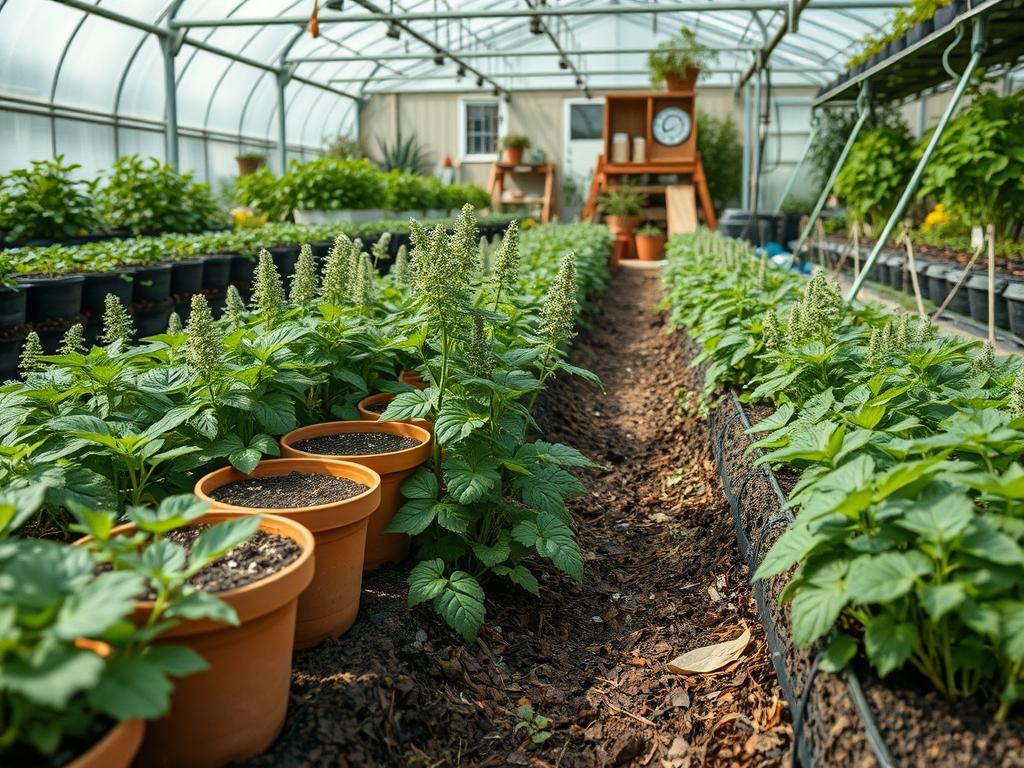
Integrating functional herbal zones into a residential landscape requires a sophisticated balance between horticultural utility and aesthetic cohesion. Harvesting garden catnip is often seen as a casual hobby for pet owners, but within a professional landscape design, these plants serve as vital structural elements that contribute to both domestic functionality and curb appeal. The primary challenge for the outdoor environment consultant is managing the vigorous growth habits of the Lamiaceae family. If left unchecked, these species can overwhelm a curated garden bed, yet when properly integrated into the topography, they offer lush texture and aromatic benefits. Strategic placement ensures that the garden remains a high performing environment where feline safety and architectural beauty coexist.
Climate considerations play a pivotal role in the success of a catnip-focused landscape. Nepeta cataria thrives in temperate zones but requires specific microclimates to produce the high concentrations of nepetalactone that make harvesting so rewarding. In arid regions, the landscape architect must prioritize moisture retention through subsurface irrigation systems and high quality organic mulch. Conversely, in humid coastal environments, the focus shifts to maximizing airflow and ensuring site permeability to prevent fungal pathogens. By treating the catnip patch as a formal design feature rather than an afterthought, a property owner enhances the outdoor living experience while providing a sustainable domestic resource for their pets.
Landscape Design Principles
Successful garden planning begins with the application of formal design principles: symmetry, focal points, and elevation layering. To incorporate catnip effectively, one should view the plant as a mid-tier perennial. It typically reaches heights of 24 to 36 inches, making it an ideal candidate for the middle ground of a tiered border. Placing it behind lower-growing ground covers like creeping thyme or sedum creates a visual anchor. Symmetry can be achieved by flanking a garden entrance or a flagstone walkway with identical terracotta containers or raised masonry planters. This approach contains the root systems of the catnip, which can be somewhat aggressive, while maintaining a clean, architectural line.
Focal points are essential in maintaining visual interest throughout the growing season. While catnip is prized for its utility, its small white or lavender flowers are subtle. To elevate the aesthetic, the landscape architect might pair it with more dramatic structural elements such as a wrought iron trellis or a modern stone monolith. These hardscape features provide a permanent skeleton for the garden when the catnip is cut back for harvest. Furthermore, elevation layering through the use of retaining walls or terraced garden beds allows for better drainage control. Catnip prefers “dry feet,” and elevated planting prevents water from pooling around the crown, which is the most common cause of plant failure in professional installations.
Walkways should be designed for both human and feline traffic. Using permeable pavers or decomposed granite pathways allows easy access for the frequent maintenance required when harvesting garden catnip. It also prevents soil compaction in the root zones. By defining clear boundaries between the catnip zones and other ornamental plantings, the landscape becomes more navigable and easier to manage during the peak growth periods of late spring and mid summer.
Plant and Material Selection
| Plant Type | Sun Exposure | Soil Needs | Water Demand | Growth Speed | Maintenance Level |
| :— | :— | :— | :— | :— | :— |
| Nepeta cataria | Full Sun | Well-drained | Moderate | Fast | Moderate |
| Nepeta x faassenii | Full Sun | Sandy Loam | Low | Medium | Low |
| Avena sativa | Partial Sun | Compost Rich | High | Rapid | High |
| Lavandula | Full Sun | Alkaline | Low | Slow | Moderate |
| Rosmarinus | Full Sun | Gritty | Low | Medium | Low |
The selection of materials is just as critical as the plants themselves. For the modern landscape, steel edging or pressure treated timber provides a sharp transition between the catnip beds and the turf. This prevents the herb from seeding into the lawn. Additionally, the use of landscape fabric under decorative gravel pathways ensures that the garden remains low maintenance. When choosing mulch, the professional should opt for shredded cedar or pine bark, which provides a natural contrast to the soft green foliage of the catnip plants.
Implementation Strategy
The implementation of a catnip-centric landscape begins with site grading. Proper drainage is the foundation of any long-lasting garden. The area should be graded at a 2 percent slope away from any structures to prevent moisture accumulation. Once the grade is established, the layout of the beds should be marked using surveyor tape or landscape chalk. For a professional finish, the beds should follow the natural contours of the property or adhere to a strict geometric pattern if the home architectural style is modern.
Soil preparation is the next critical step. Catnip thrives in a soil pH between 6.0 and 7.5. If the native soil is heavy clay, it must be amended with coarse sand and compost to a depth of 12 inches to ensure adequate aeration. When the planting stage begins, spacing is paramount. Each catnip plant should be spaced 18 to 24 inches apart to allow for mature spread and to prevent the overcrowding that leads to powdery mildew.
Hardscaping elements, such as boulders or stepping stones, should be installed before the plants are in the ground. This prevents damage to the delicate root systems. Once the plants are situated, a 2 inch layer of mulch should be applied, taking care to leave a small gap around the stems of the plants to avoid rot. Finally, the drip irrigation system should be calibrated to deliver water directly to the root zone, minimizing water waste and keeping the foliage dry, which is beneficial for the quality of the essential oils harvested from the leaves.
Common Landscaping Failures
One of the most frequent mistakes in herb gardening is poor drainage planning. If the soil remains saturated for extended periods, the Nepeta species will experience root rot, leading to a rapid decline in plant health. Another common failure is root overcrowding. Without sufficient space, the plants compete for nutrients and water, resulting in leggy, unattractive growth that lacks the potency required for an effective catnip harvest.
Improper spacing also affects the aesthetic balance of the landscape. When plants are jammed too closely together, they lose their individual form and become a tangled mass. This not only looks untidy but also makes it difficult to distinguish between the catnip and any opportunistic weeds that may have taken root. Soil compaction is another silent killer. High foot traffic near the planting beds can compress the soil, cutting off oxygen to the roots and stunting the plant’s growth.
Irrigation inefficiencies often plague these gardens. Overhead sprinklers can damage the stalks and increase the risk of disease. A professional landscape should always utilize subsurface irrigation or soaker hoses. Finally, neglecting the invasive nature of the mint family can lead to a landscape nightmare. Without physical barriers or deep edging, catnip can migrate into areas where it isn’t wanted, disrupting the carefully planned symmetry of the site.
Seasonal Maintenance
Spring is the season for revitalization. As the first signs of new growth appear, the landscape manager should apply a balanced slow release fertilizer and check the irrigation system for leaks. This is also the time to prune any dead wood from the previous winter. For those interested in harvesting garden catnip, the first flush of spring growth is exceptionally tender and potent.
Summer maintenance focuses on harvest and hydration. To encourage a second crop, the plants should be sheared back by one third after their first blooming cycle. This prevents the plant from going to seed and encourages new, bushier growth. During the heat of July and August, monitoring soil moisture is critical; however, overwatering must be avoided. The harvest should ideally take place in the morning after the dew has evaporated but before the sun is at its peak.
Autumn is the period for preparation. As temperatures drop, the frequency of irrigation should be reduced. Final harvests can be taken and the plants can be cut back to within 3 to 4 inches of the ground. Applying a fresh layer of mulch in late fall helps to insulate the roots against the upcoming frost. This is also an excellent time to assess the landscape design and make notes for any structural changes desired for the following spring.
Winter is the dormant phase. In colder climates, some varieties may die back completely, while in warmer zones, they may remain semi-evergreen. The primary task is to ensure that the area remains clean of debris and that the hardscape elements are inspected for any frost heave. By following this seasonal cadence, the landscape remains a healthy, productive environment year after year.
Professional Landscaping FAQ
When is the optimal time for harvesting garden catnip?
The best time is mid-morning after the dew evaporates but before the heat intensifies. Target the period when the plant is just beginning to flower, as the essential oil concentration is highest in the leaves and blooming tops at this stage.
How do I prevent catnip from becoming invasive?
Utilize steel edging or polyethylene root barriers buried at least 6 inches deep. Alternatively, plant catnip in large, decorative stone or ceramic containers integrated into your garden beds to physically restrict the spread of the vigorous root systems.
Does catnip require a specific type of mulch?
Use a coarse, organic mulch like shredded cedar or pine bark. Avoid heavy, moisture-retaining mulches like grass clippings or thick compost, as they can lead to crown rot by keeping the base of the plant excessively damp in humid climates.
Can catnip be used as a front yard ornamental?
Yes, but it requires maintenance. To maintain curb appeal, pair catnip with structured perennials like Salvia or boxwood. Regular pruning is necessary to prevent a “weedy” appearance and to keep the plant within its defined architectural boundaries.
What are the best companion plants for a feline garden?
Include Catmint, Cat Grass, and Lemongrass for variety. For visual interest, add Lavender or Rosemary. These plants share similar cultural requirements, including well-drained soil and full sun exposure, ensuring a cohesive and low-maintenance planting group.